
 Chinese
It is really imperative to properly maintain a bundle extractor for having maximum yield from the instrument, avoiding downtimes, and prolonging the working life of the equipment. Whether an industry person or a beginner, a well-structured maintenance plan will save time, money, and pain. This guide introduces a comprehensive list and maintenance flow chart of tasks, customized to keep your bundle extractor in perfect working order. It may be per day, this set will see you through some common tasks to additional long-term maintenance strategies, coupled with practical advice and expert tips to brush aside any difficulty in regular monitoring. Read on for more to keep ahead on problem issues and operate at the maximum efficiency level!
Importance of Regular Maintenance for Bundle Extractors
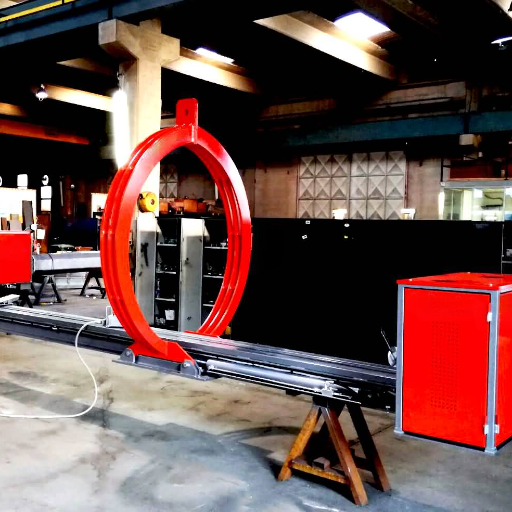
Preserving the bundle extractors entails ensuring their continual maintenance. This helps pinpoint the fault on time and avoids serious expenses, as well as operational downtime. Maintenance further enhances energy efficiency, maximizing the extraction capacity while minimizing unnecessary wastage of resources. Safety can be enhanced, along with reliability and equipment life, by efficiently implementing some maintenance routines to be strictly followed by all operational maintenance personnel.
Overview of Bundle Extractors and Their Function
Bundle extractors are rather specialized machines intended to make the extraction and processing of materials easier, often for uses in industries such as textiles, agriculture, and industrial manufacture. Efficient separation, organization, and removal-or whatever is needed on the path to proper operation of a set of packaged things-is the primary workload of bundle extractors. Modern bundle extractors typically include automatic controls and precision mechanisms to do all this in a way that increases productivity and reduces hands-on work.
The data intelligence at the given moment shows that bundle extractors have been increasingly in demand because they save on costs, reduce wastage, and enhance the safety of handling materials in various industries. Some of the frequently praised features include its wide adaptability according to the various materials with which it will work, its energy-efficient design, and being able to interface with an array of automated robots and IoT-based monitoring systems. With these developments, bundle extractors indeed serve as one of the most necessary tools for such process optimization under large-scale production scenarios in today's competitive economy.
Significance of Preventative Maintenance
Preventive maintenance is crucial to see that the bundle extractors keep operating with full energy and longer life. Maintenance enables one to identify minor issues such as wearing out, misalignment, or actual wear process before they develop into downtime liabilities, costing thousands of dollars. With regular check-ups, cleaning, and part changes, energy efficiency is maintained, operational safety is ensured, and the life of the machine is prolonged. Above all, preventive maintenance removes the risk of unexpected failures and keeps the production line constant in bringing down the overall maintenance cost. This structured approach, combined with monitoring technology, such as IoT sensors gives the bundle extractors the edge to survive the rigor of industrial environment by virtue of maximum efficiency, reliability, and stable performance.
Impact on Safety and Efficiency
The mechanization of preventive maintenance and advance monitoring by itself has an underlying effect of reducing chances of breakage in the bundle extractor, thus averting danger and decisively contributing to increasing efficiency. Moreover, preventive maintenance lessens the amount of waste generated by operating mechanisms. Consequent rise in air pollution, water, and land damage and landfill sites is concomitantly correctable with higher equipment availability, fewer operational breakdowns, lower cost and consumption of energy, and reduced failure such that money and time get saved. Furthermore, the approach ensures continual safe, economically viable operation to the persons involved over a long period.
Comprehensive Inspection Checklist
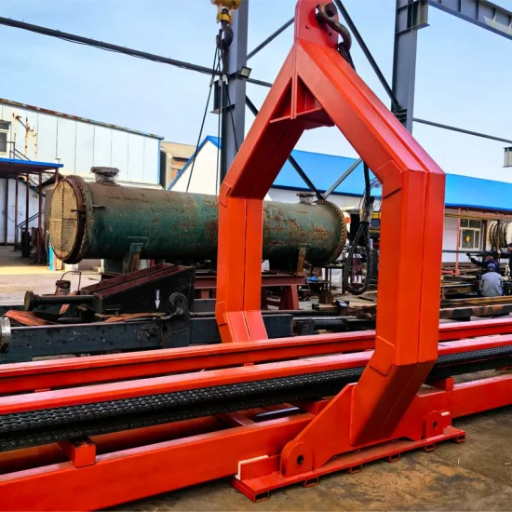
Pre-Operational Inspections for Tube Bundles
Visual Inspection
See if there be any visible damages or deformation on the extractor itself or its components.
Make sure all screws, bolts, fittings, and connections are properly secured.
Hydraulic System Check
Examine for any hydraulic hose leaks or wear at fittings.
Make sure hydraulic fluid levels are up and away from any contaminant.
Functional Observation
Check to see if the extractor moves smoothly and evenly as it should.
Assess alignment and the functionality of moving parts.
Safety Features
Make sure every safety device is operational, including the E-stops and locks.
Inspect the warning labels in close proximity for the correct placement and condition.
Documentation and Tags
Ensure equipment certification has been renewed, and all maintenance records are up to date.
Maintain compliance with operational procedures and safety code guidelines.
Careful inspection will ensure that the equipment performs predictably and safely.
Post-Use Cleaning Procedures for Bundle Extractors
The cleaning of a bundle extractor after being used is vital to ensuring its maximum efficiency and longevity. Post-cleaning is highly important, as is proper cleaning:
Power Down and Disconnect
Please see to it that the bundle extractor is set turned off and that it is detached away from the power source before stepping towards cleaning. Hence, in such a way, you can preclude having an accident and issues like electrocution.
Cleaning Out Debris and Residue
You should perfectly execute all cutting-edge tools for any last scavenging of particles or debris from the extractor. Strive to verify no blockage or buildup is anywhere, particularly deep within limitlessly hard-to-reach sections.
Cleaning the Surfaces and Components
The softest cloth with a manufacturer-recommended cleaner needs to smooth over the surfaces. Division-cleanable parts are cleaned differently, and take care of any special instructions mentioned in the owner's manual.
Inspect for Wear or Damage
Consequently, while cleaning, subject each component to a visual inspection for wear and damage. Fix-up problem areas right away to minimize the odds of operational failures in the time of the subsequent use.
Air-Dry Any Moisture
Ensure all washed parts (especially the metal ones) are absolutely dry before they are assembled or put back in storage for the bundle extractor- otherwise the initiator of oxidization, resulting in rust or corrosion.
Reassemble and Safekeeping
Make sure the equipment is screwed/hammered together correctly and is stored in a place where it is free of contaminant exposure.
Frequently cleaning after every use will help stretch the bundle extractor but that puts safety and 'simple functioning' into use for the future. Your equipment may come with a manufacturer's cleaning guide that is tailored explicitly to the catcher's operating procedures.
Essential Tools for Effective Inspections
Proper tooling positively affects inspections of the vacuum extractor, helps choose the right thing early, and ensures thorough inspections. The main tools necessary for the most effective inspections include the following:
Inspection Light or Flashlight
This will enable detailed inspections in cramped, dark spaces of the extractor.
Borescope or Inspection Camera
This will enable thorough internal evaluations of hard-to-reach components without having to disassemble them.
Torque Wrench
During inspection, you need to be assured that all bolts and fasteners are fast tightened to specification.
Calipers or Measuring Tape
The caliper would be so sharp or so open to measure each part or clearance to make sure that the parts and components are operationally correct.
Cleaning Kit
The kit includes numerous brushes, cloth, and solvents for ease of debris removal for the inspection activity.
NDT Equipment
The non-destructive methods for detecting trouble areas would be over the use of ultrasonic and penetration liquid tests.
Protective Gear
This expense includes gloves and protective goggles for the protection of their staff, while handling the machinery.
Implementation of these solutions will make routine inspections more efficient in such a way that the operators can be assured as to the safety, performance, and life of their bundle extractors.
Recommended Maintenance Schedule

Daily Maintenance Tasks for Tube Bundle Extractors
Inspection
Any visible signs of damage or wear, leaks, inappropriate conditions, etc. shall be checked on the equipment.
Lubrication
All parts which move in the machine should be adequately lubricated; this is to minimize the possibility of wear or friction.
Connection
It's essential to check the right connection of hydraulic hoses, electric lines, and plugs, and no leakage and damage should be visible.
Cleaning
Cleaning is performed on the top surface of the item to ensure that no dirt, broken beads, or other residues on the system interfere in its operation.
Operation Test
Drive for a minute to compare the running of the extractor, or the detection of abnormal noises and or vibrations.
Performing these tasks saves optimum performance and reduces about the chances of premature equipment failure.
Weekly and Monthly Inspection Guidelines
Inspection of the Visual Type
Perform an inspection of the external/internal parts of the bundle extractor for any signs of wear, corrosion, distress fractures, with special attention to seals and gaskets.
Lubrication Check
Check lubrication of the reagent side flowing parts. Apply more lubrication to prevent wear.
Filter Examination
Inspect and clean air and liquid filters to assure their effective operation. Filters that are showing visible damage or clogging must be replaced.
Bolts and Fasteners
Fasten bolts, screws, and other fasteners to tightness to prevent them from loosening and potential breakdown.
Monthly Inspection Guidelines
Performance Testing
Test the bundle extractor when the device is working under usual operating conditions to see whether output and overall performance remain unchanged. Record any instances of quirks that point to possible problems on the production line.
Electrical Systems Check
Check for wear, overheating, or a loose pile-up of wires, switches, and circuit components, as well as the symptoms of a more serious problem, such as preventive measures of immediate concern.
Pressure and Flow Rate Testing
Testing the pressure set point and the flow rate on a device as against the manufacturer's recommended values, one can then go on setting those points higher for reading by the other side.
Deep-Cleaning
Deep-cleaning should be done to all easily accessible components, including internal chambers and the outside surfaces, to eliminate any buildups that might disturb the machine from working well.
Total Safety Testing
Test the emergency shut-off mechanisms and other safety guards to make sure they work. Make sure you fix all defective parts immediately.
The bundle extractor must always receive weekly and monthly preventive maintenance to assure it remains operational, extends its operational lifespan, and prevents downtime arising due to unpredictable failures.
Annual Maintenance for Long-Term Performance
Annual maintenance is crucial for proper use and a trouble-free long life cycle. Here are some:
Complete Internal Assessments
Check internal components for wear and tear, or damage internally rather than externally, like seals, bearings, valves, etc. Replace these parts with some new ones to avert the chances of breakdowns in the future.
Controls and Sensor Calibration
The test and recalibration of instantaneous controllers and external sensors will help to ensure precise and safe operation of the equipment.
Moving Part's Lubrication
High-grade lubrication should be applied to the crucial moving parts for decreased friction, preventing wear and ensuring that these parts will be available in use for a long term.
Heat Exchanger Ceremonial Check
The exchange system components need to be brought out for inspection and when very necessary, clean them up so as to remove any scaling and deposits from the system. Good efficiency in heat transfer will be maintained.
Structural Integrity Fitness
A complete inspection is needed to check all components, casings that include the mixers, frame, and chassis, and make appropriate repairs for glitches such as corrosion and cracking.
Efficiency Test
Testing the tasks against occurring will help ensure that the bundle extractor operates under respective energy consumption and output requirements.
There is a lower probability of longer outages if these end-of-season maintenance checks are performed, reducing overall operating costs and, assuredly, ensuring bundle dischargers hold through the ecological balance over their service life.
Common Issues and Troubleshooting
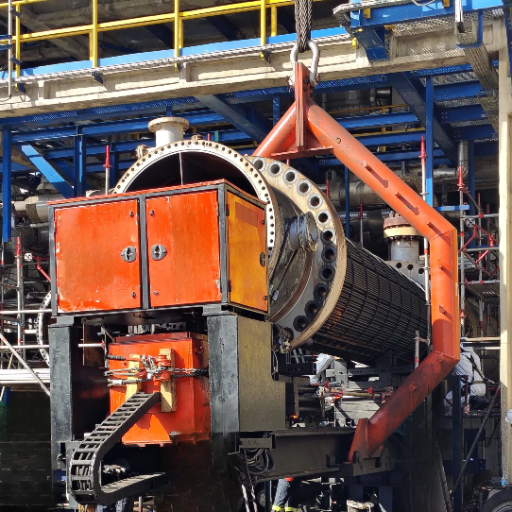
Identifying Hydraulic Leaks and Worn Components
Common issues like hydraulic fluid leaks and ineffective components led to a reduction in the bundle extractor's productivity. For starters, to locate leaks, inspect all hoses and their seals and connections for visible fluid drips and poor sealants closely around the hydraulic system. Focus on places where hoses attach to fittings due to common leak points. Monitor hydraulic fluid levels and look for unexpected lowerings which may indicate hidden leaks. Also, be sure to check hydraulic fluid condition—discoloration or presence of contamination means internal leak or degradation.
Surface wear inspection of the seals, bore bearings, and piston rods becomes imperative for comprehensive evaluation on any stressed area to be, that points to the bundle extractor. Therefore, when there is noise, stalling, or operating malfunction, components are replaced. The best way to avoid additional damage and improve life is to maintain and overhaul worn parts periodically. Implementing routine preventive maintenance and utilizing good-quality replacement parts mitigate the causes of system failures and ease long hours the bundle extraction might be sidelined unnecessarily, thus ensuring an uninter-rupted system operation.
Common Inspection Pitfalls to Avoid
Missing Proper Documentation
A lack of documentation after an inspection may result in overlooked issues or repeat errors. Always strive to maintain accurate and comprehensive documentation of each inspection.
Bypassing Small Leaks
Bypassing small leaks may generate big problems. Check over all the tubes, seals, and fittings for detecting the smallest leak so that it might be addressed swiftly.
Missing Scheduled Checkups
Nonadherence to checks, which are held at irregular times, can result in preventable wear and tear. One must adopt a planned regimen to teach how to perform routine checkups to fix up all that may have been worn and torn.
Ignoring Early Signs
Thumps, vibrations, or anomalies should never be considered something you can overlook. Such anomalies tell you that there is an underlying problem that deserves your immediate attention.
Wrong Tools or Techniques
Note that utilizing the incorrect tools or inspection methods may very likely provoke additional issues. Indulge in the right technique and/or equipment during the inspection activities.
Being able to properly avoid these common errors means much more work efficiently and also a much longer service life for the bundle exchanger, hence much less unplanned downtime.
Troubleshooting Techniques for Common Problems
Choke Up Jams
Fault condition: Some obstruction has occurred with the blower.
Own resolution: Turn off the unit and try to clean the obstruction. See for possible damage or something that might have been displaced before operation.
Heat-too much
Fault condition: Insufficient lubrication or continuous operation in service without too much cooling.
Own remedy: Ensure that every moveable part is properly lubricated. Run the machine within the recommended time cycle then allow time for the machine to cool down.
Loss of efficiency
Fault condition: Running with bad components like the blades and seals.
Own remedy: Carry out monitoring on the wear and tear on these parts and exchange them with new parts as necessary. Follow the maintenance schedule recommended by the manufacturer to prevent this.
Odd Noises
Cause: Something rattling around in the machine or worn-out parts.
Solution: Pull the machine plug and search for loose bolts, bearings, loose gears, and loose guards. Fix or tighten the loose components as needed.
Electrical Faults
Cause: Wrongly connected or damaged connecting paths.
Solution: Conduct an intense electrical check for secure tight connections; if anything is damaged, improve wiring. If the malfunctions continue, discuss with an expert.
By disbursing some time to detect these nagging problems and sorting the common causes out methodically, the efficiency and dependability of my bundle extractor can be retained. Whenever doing this troubleshooting is a must, always give preference to safety, and follow industry guidelines.
Best Practices for Extending Equipment Lifespan
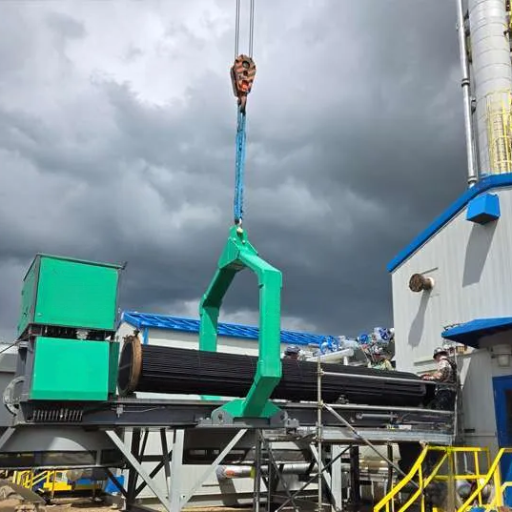
Optimal Operation Techniques for Tube Bundle Extractors
Maintenance of a tube bundle extractor is extremely significant to them from installation to operation, usage, safety, creating records of work, keeping proper log books, ensuring proper training and calibration of operators, taking care of spare parts, and arranging for their timely availability. Calibration of the equipment will require to be monitored from time to time; perturbation of calibration would mean unnecessary wear of the machine in the normal course of operating it. Tools should always be operated within limits regarding capacity and load ratings specified by manufacturers in order to enjoy smooth trouble-free operation.
Regular maintenance is a must! One should clean and lubricate moving parts regularly to reduce friction and other forms of wear. Oftentimes the equipment becomes noisy and experiences vibration or performance issues; this should always be checked and acted upon to avoid any damage due to unforeseen complications. It is crucial to train the personnel who operate the extractor to use the equipment properly, thereby speeding up the process and reducing accidents and misuse. When properly observed, all these will enhance the reliability and length of life of the tube bundle extractor.
Safety Measures During Maintenance
Turn off the power.
Always before any maintenance, make sure the power is disconnected from the bundle and there is no possible way for the inadvertent running of equipment.
Don Personal Protective Gear (PPE).
Put on the specified PPE, such as gloves, safety goggles, and safety steel-toed shoes, to avoid wounding yourself.
Examine Tools and Equipment.
Investigate all tools and machinery before their use to ensure their damage-free and fault-free condition.
Secure the Equipment
Once on a flat, proliferated surface, anchor the tube bundle extractor from any movement.
Follow Lockout/Tagout Procedures
Carry out appropriate procedures for machine stopping so that the machine cannot accidentally start when maintenance is being executed.
Operate Carefully with Everything
For any heavy heavy component, pushing the correct equipment before tossing them would make life easier and more safest for everyone.
Provide Work Area Controls
Carrying out maintenance in a well-lit, clear, and accessible environment, where no hindrance or interference from outsiders arises.
If these safety precautions are followed, it is truly possible to be highly efficient during maintenance, minimizing accidents and property damaged.
Expert Tips on Maintenance and Care
Normal Maintenance
Clean the bundle extractor even after the extraction, prior to any residue blockade that might hamper performance and lead to premature wear.
Check for Wear and Tear
Seal change after regular inspections for wear and damage on seals and filters and other moving parts. Should there be any worn or damaged parts, they are to be replaced forthwith to ensure an efficient system.
Lubrication
Lube all moving parts regularly in compliance with the manufacturer's recommendations to reduce friction and extend the service life of the equipment.
Compliance with Manufacturer Instructions
Safe and judicious utilization of equipment requires that one complies with the routine servicing plans and operational methods stated by the manufacturer.
Function-Test
Test the right functioning of the bundle extractor at standard intervals, ensuring that all facets of the system are working well. Start troubleshooting immediately to interrupt any catastrophic development.
Follow these tips from the experts to promote the proper functioning of your bundle extractor in a safe environment.
Reference Sources
Major Process Equipment Maintenance and Repair: Provides cost-effective maintenance, repair, and preventive maintenance checklists for major process equipment, including bundle extractors.
Analysis of Reliability Based on Preventive Maintenance of Failures in the VSH-2 Mechanical Pumping Unit for Oil Extraction: Discusses preventive maintenance strategies and reliability analysis for extraction equipment, which can be applied to bundle extractors.
Extraction of Forest Power Lines from LiDAR Point Cloud Data: While focused on LiDAR data, this study presents bundle-extraction methods that provide systematic approaches to equipment maintenance.
Frequently Asked Questions (FAQs)
How to inspect the heat exchangers with tube bundle before extraction?
The tube bundles must be examined visually and with nondestructive testing to detect fouling, corrosion, cracking or other possible tube-related damage in the equipment prior to their removal. An external shell inspection kicks off with a look at the nozzle area, and further inlet inspection will include an interior tube exam performed using an endoscope or a video camera. A final report of results of the inspection work would be produced in a pdf file or digital report, and also the report will state any mechanically rigorous steps for removal or crane business. Inspection checklist should cover any evidence of thermal stress and unsafe condition, and documentation petitions must also include certification restrictions to confined spaces as appropriate and required permits for lifting.
What are the best methods to prolong heat exchanger maintenance and increase the life expectancy of this equipment?
To prolong heat exchanger maintenance and increase long-term reliability, you will need to adhere to a program combining preventative-type cleaning, predictive maintenance, and regular inspections. Facilitate prevention waves medley that makes available for you many maintenance activities; the techniques include high-pressure water jetting, chemical cleaning, and fouling control, all with an end in view of maintaining thermal efficacy. In all of your operation costs, ensure the records are maintained as a hold in one center or an automation system to keep watch over temperature and pressure drops. Make sure to keep certification for personnel in specialized tasks to avoid any interruption and damage of tubular types.
When was it necessary to go in for the extraction of a tube bundle from its shell for inspection and maintenance?
Extraction of a tube bundle from its shell is required if substantial fouling is observed in the tube or shell sides during inspection, tube's erosions are observed, tubes are leaking, or scary predictive data require planned maintenance. It could have taken place during normal maintenance downtime periods in order to reduce plant downtime. This practice cannot be possible without a certified overhead beam and competent rigger, all personal protective equipment and adherence to all related regulations, and the application of force, mechanically, that precedes this assembly's own destruction.
What types of recommended inspection and maintenance procedures are needed for heat exchangers, which operate on the principle of heat transfer between fluids characterised by differing characteristics?
Inspection and maintenance schedules must be especially managed for these units with their chemical compatibility, fouling possibilities, and corrosion possibilities. Monitoring systems must be all in place and keeping data tracks of signs of cross-contamination. The insides of the heat exchanger tubes must be monitored for signs of deposits and pitting at regular intervals, and pertinent fluid chemistry data should be kept. Predictive maintenance sensors with respect to temperature and pressure sensors may be installed which allow for early detection of failures and following heat exchanger maintenance arrangements when, for instance, the tubes need to be changed or cleaned.
What certifications and safety measures are required for maintaining the bundle extractor schedules and maintenance activities?
Confined space protocols, lockout-tagout, personal protective equipment, elevation materials such as fall protection and crane certifications, and training, along with certifications related to lifting, rigging, and undertakings requiring high water or another large pressure for cleaning are some of the safety precautions. The other documentation requirements go on edging: a pdf file of permits, certifications, discharge using maintenance schedules, and with the appearance of the fittings. Conduct risk assessments to avoid situations under which steam can cause damage to tubing, or the workers themselves.