
 Chinese
Due to the fact that the bundle puller is a very beneficial equipment, many people fail to know its spare parts and the replacement components which also affects its durability. Even if you are a player when it comes to machines or just starting the journey, changing such devices is not simply, and it is a challenge without some support. This spare parts & components of bundle puller replacement guide addresses the fundamental issues, with better clarity being reach on critical parts, applicability as well processes of changing them. It explores and explains what to check on, and where to buy quality replacement parts, so that a professional can last for the longest possible time using architectural devices. Let us examine this problem more closely and see if we can optimize it to work in a comfortable manner.
Introduction to Bundle Pulling and Maintenance
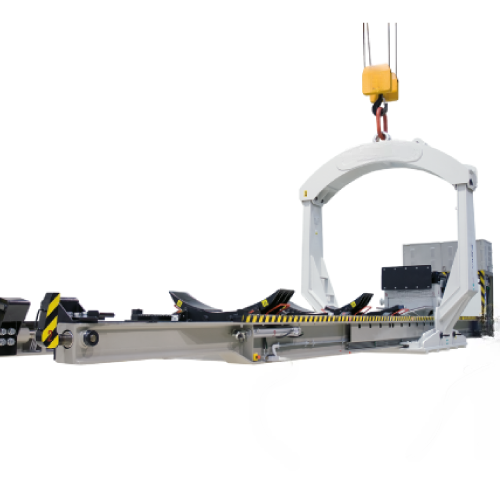
Bundling either pulling or receiving involves the effort of pulling or receiving bundles, mainly in industries or manufacturing areas, by the convenient support of an appliance known as a bundle pulling machine. Proper maintenance is needed to maintain efficient operations, prevent downtime, and prolong the equipment's life. The key practices here include regular maintenance or replacement of functioning parts, inspection for wear, and lubrication and scale-up of operations to reduce friction. Having an eye on the manufacturer's advice and guides for timely repairs of minor problems will keep the equipment at its best performance and reliability levels and ensure that it performs its functions at optimum levels.
What is a Bundle Puller?
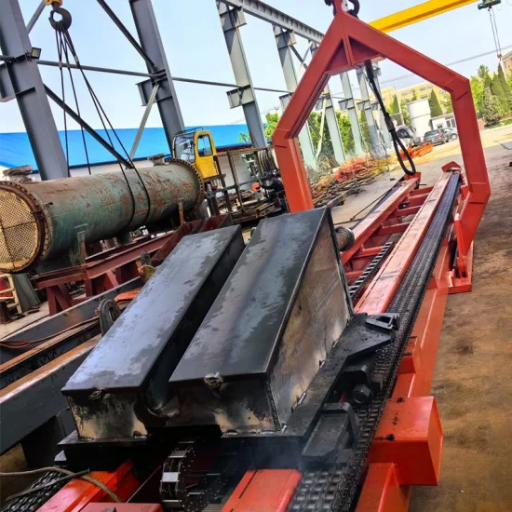
The bundle puller is a tool specially engineered for industrial deployments and maintenance operations used to either remove or assemble the tube bundle from heat exchanger plants. Heat exchangers are relevant to industrial applications where power generation, oil and gas, and chemical processing are involved to efficiently transfer or change heat from or to fluids. Thus, bundle puller makes the unwieldy job of handling 'tube bundles' into a defined methodology that is amazingly safe, efficient, and minimizes downtime. Modern bundle pullers come in different tubules and weights that they may stand, commonly adapted with hydraulic and/or pneumatic systems for greater ease of operation and precision in operation. By using bundle pullers that meet an operational requirement so high, the whole effort inherent in hardware has meaning to the consequence, which will further serve substantial benefits.
Importance of Maintenance in Heat Exchangers
It is essential to provide heat exchangers with regular maintenance so that they operate at the maximum possible heating capacity for as long as possible. Heat exchangers are inherently given to fouling over time, whether it be from dirt, scale, mud or any other material that could slow down heat exchange and increase power use. Net result of inspection and clean-up will allow free and running operations, avoiding cumbersome, expensive, and profit-ripping downtime. Inspection and cleaning present a preventive chance and early warnings, which may otherwise snowball and culminate in plant contingencies. Maintenance spots future trouble such as corrosion, leaks, or malfunctioning parts and removes the chance of major breakdowns. In turn, this prolonged machinery life, a continuity of sound system performance, and a compliance with safety codes.
Overview of Replacement Process
Removal of a bundle puller usually involves quite a few standard steps to be carried out to ensure that it is done in a safe and efficient manner. Shutting down the equipment properly is the primary requirement; and lock out and tag out of the energy sources must be utilized to avoid accidents. Next is a careful disconnection of the existing bundle puller from the rest of the system, initial inspection for issues that could hinder removal or installation. Once the old puller gets removed, everything will be washed clean; prior steps must have afforded a fair start off for the new unit.
The last phase puts to task the new bundle puller, aligning the system to functions as expected. Bolting, attaching, and calibrating would all should take place thoroughly, with re-tightening done for assurance. By that, the whole assembly will undergo tests to see if its work is up to mark, only affected by, say, calibration settings or minor adjustments. Regular maintenance post-installation will see to its durability and performance reliability.
Key Components of a Bundle Puller
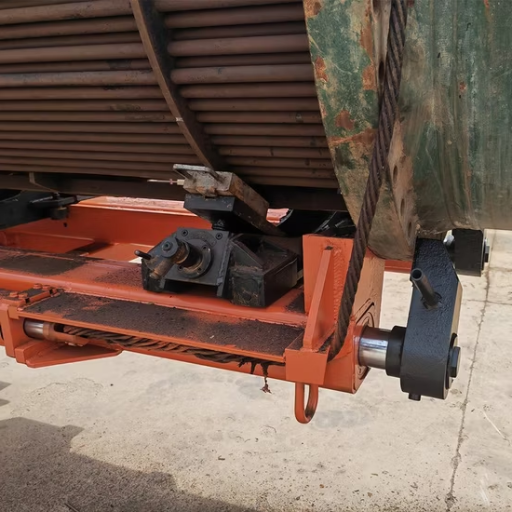
For the efficient working of a bundle puller, elaborate elements ensure an exclusive setup. A very strong and stable frame provides a stable platform for gripping an item; hydraulics engage the high pulling strength; means of gripping give a perfect hold of a bundle; and controls and control systems undertake the high level of precision in operation. In-built safety mechanisms include locking devices and overload protection, designed with great care. Each element is therefore influential in effective system operation of the system as a single unit.
Hydraulic Motors: Function and Specifications
Most essentially, hydraulic motors are the lifeblood of any bundle pullers that transform fluid energy into motion to allow robust and precise operations. The concept is rather simple: these motors disburse torque and rotational movement by pressing the hydraulic fluid with pressure and allow this energy to be passed on to its mechanism, making it run. Modern hydraulic motors distinctive to the bundle pullers are built according to cutting-edge dimensions so as to assure that various features such as high-pressure capacity, compact size, and protection against any wear and tear won't compromise the entire design. Some inclusions are speed alterations for better performance, more seals to protect against leaks, and environmentally efficient motor designs with less or no loss of fluid. The super support from these specifications makes them top-notch performers even in harsh operational conditions.
Drive Chains: Types and Considerations
Drive chains are essential to power transmission and efficient functionality in bundle pullers. Roller chains and silent chains are two prominent chain options. The roller chains have so many advantages to them - they are durable and cost-effective which makes them best suitable for heavy-duty applications. Silent chains, on the other hand, operate much more quietly with less vibration which makes them suitable for more precise settings.
It is also important to keep some specific factors in mind when selecting a chain. Load capacity, speed compatibility, and maintenance required for the chain are factors to look into. The proper use of lubrication and adjusting the chain of tension can enhance the useful life of the chain and keep that chain operating at peak efficiency.
Specialized Seals: Importance and Selection
In particular, seals specialized in bundle pulling have an important role to play in ensuring effective operations and safety; this is important in gas and oil, power plants, and manufacturing. These seals can withstand extreme pressure and temperature; they can also resist rough materials. Hence, these are crucial for sealing an efficient system. The confirmation of good installation and planned maintenance ensures maximum up-time and the prolonged life of the near equipment with the assurance of personnel safety during the different pulling activities.
Choosing the fitting seal for wire/strap-type pullers is important considering the operating conditions available, fluids/materials faced, and particular requirements necessitating such applications. Modern seal materials, such as elastomers, PTFE, and various composite polymers, are doing much better than the materials of yesteryears; they ensure the highest endurance and wear resistance. Along this line of thought, talk to sealing manufacturers; whenever possible, tow industry recommendations for the most well-fitting type of seal for satisfactory performance and reliability.
Identifying Wear and Tear in Bundle Puller Components
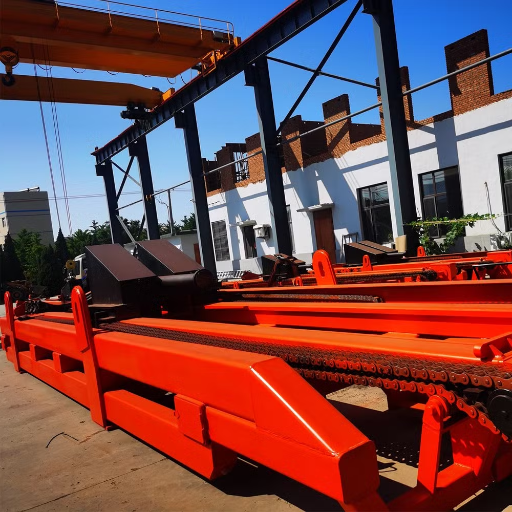
Monitoring of the various components of the bundle puller system should be done regularly to identify wear and tear. There are several key indicators: abnormal noises during operation, visible crack formations as well as deformations on mechanical parts, slow pulling operations can also indicate wear-tear sign, among which fast wear of seals and bearings is always associated with high friction that can lead to mechanical work, often indicated by excessive heat generation and changes in materials covers.-Regular and timely inspection could avoid costly repairs and prevent further risks of longer life and general safety of the system.
Signs of Wear in Hydraulic Motors
To effectively evaluate hydraulic motors in bundle pullers, the following signs of wear must be noted:
Leaking Hydraulic Fluid: Hydraulic leaks pointing to worn or damaged seals may be found at or around seals or connections.
Reduced Performance: A noticeabe drop in power or speed can attest to possible wear or internal damage to the motor.
Unusual Noises: Grinding, whining, or knocking sounds during operation might signify some mechanical issue or internal wear.
Overheating: Excessive heat build-up can be a result of internal friction or negligent lubrication.
Irregular Movement: Jerky or uneven motion may suggest misalignment or some trouble with the condition and operation of the motor.
Prompt response to early mention of such signs goes a long way in preventing further deterioration or downtimes. Regular inspections and on-demand maintenance checkups are important factors that decide the holistic health of the overall performance.
Evaluating Drive Chains for Damage
Checking for such things as wear rings, rust, and corrosion may lead to an indication that the drive chain is on the verge of breaking; stretch proves to be the fault line in the chain, therefore, repeated stretching can only lead to increased inefficiency. Also, any chain link that has been broken or worn may bring with it reduced strength and functionality. Furthermore, sprockets that are beginning to show unsatisfactory signs, such as excessive wear on sharp or distorted teeth, will cause chain slippage. Lubrication, tensioning, and lubrication in proper measures act as a savior to extend chain life, as well as to enable continuous and efficient chain operation.
Checking Seals for Integrity
Inspection of the Molds needs to take place to guarantee that the units are in good condition and do not lead to any possible leakage or cross-contamination. The first check to conduct is to verify if there are any cracks, cuts, or pressure deformations; cracks, cuts, or pressure deformations that are detected in any seal will impede the function of that particular seal. The second is to check for any leakage around the seals; in many cases, seal wear or excessive sealing can be the cause. Moreover, the rubber must be fitted properly, with no debris, and may need to be reseated. When checking for wear, if noticeable, replace the seals; this will help prevent future mechanical complications and allow the homogenization tube components to function without interruption. Maintenance and care will help extend the seals' service life and prevent operational downtime.
Installation Process for Replacement Parts
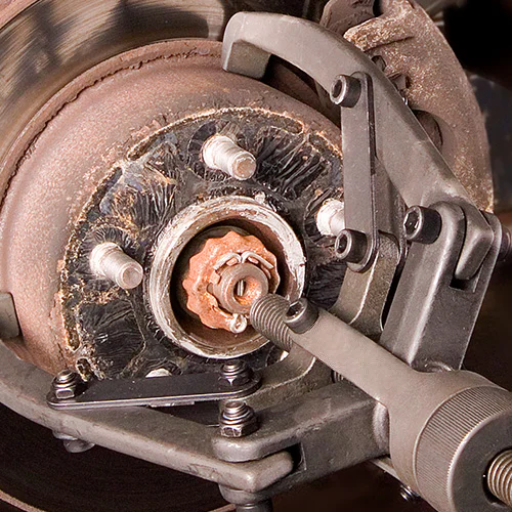
Preparation: First, make sure that equipment has been powered down and secured safely. Gather all tools and replacement parts that require verification for compatibility with the bund puller model.
Removal of Old Components: Important: Disassemble old faulty part cases, without damaging the surrounding area. Employ proper wrenches to take out the worn or damaged seals, bearings or whatever else.
Cleaning: When both housings and where in the component replacement will take place are clean, get rid of any debris, dirt and old lubricants as might be left to make room for a tight fit.
Installation: The new replacement part like seals, bearings and others need to be put in place. Check the goodness of alignment and set into its proper position. If necessary by the manufacturer's instructions, the equipment should be lubricated for ease of assembly and operation.
Re-assembly: Put the bundle puller back together, observing all fasteners and bolts be tightened to a torque referred to in the manual.
Testing: Power on and check the functionality to ascertain that the new spares are set up as expected. Furthermore, you need to check for any unusual sound or possible signs of misalignment.
By walking through the above steps, you can ensure a proper installation of replacement parts, which will keep the bundle puller performing its duties.
Step-by-Step Guide to Replacing Components
Preparation & Safety: Turn off and unplug instruments from their power switches. Ensure the personal safety of workmen by having them put on goggles, gloves, and safety shoes.
Inspection and Diagnosis: Trace the part of the puller that is giving trouble. Find out if there is a wear, crack, or malfunction on the puller part under consideration.
Tools and Parts Gathered: Gather all of the required tools like work flat and box wrenches, screwdrivers, and tester. Bring in the right replacement items by the manufacturer's instructions and stored in the on-board tool kit.
Cannibalization of Critical Parts: Remove the damaged or outmoded part using the proper tools. Carry out the teardown procedure in the equipment manual so that further damages are not caused.
Clean and Examine Adjacent Components: Clean the area where the new part is set, and, for the area's surrounding components, look at evidence of wear, damage before replacing the new part.
Fit the new assembly: Placement should be the most appropriate on the part and then secured with bolt, clip, or clamp as required. Installation, tightening torque, and other fitting details will be mentioned in the manual.
Recollect and Fasten: Refit the disconnected parts/panels and make sure that the anchorage of all fasteners and bolts should be tightened to their respective specified values.
Grease Moving Parts: Lubricate all moving parts or mechanical appliances to ensure continual operation of the machine. Use lubricants as per the manufacturers.
As part of Testing and Calibration: Feasibility of function has to ensure the revival of the remote pendant button and then check that with a thorough run-through. Hence recalibrate; if the totalizing meter is in use, recycling is allowed for nominating unqualified operation.
At Final Inspection: While everything is turned on, one needs to be perceptive regarding any unexpected sounds and vibrations or inconsistency which could lead to some subsequent deficiency; further check if there is time on that configuration.
Ensure that everything to be inserted is documented: Keep a full account of the replacement-to be dated and with any parts put in and some lines for any conditions that might apply toward the object.
A properly functioning stringer-puller must be maintained with utmost care so that it ensures continuous good service.
Tools Required for Safe Installation
There are other specific tools essentials for your safe and easy installation for any bundle puller part:
A robust set of wrenches for twisting screws and fittings to the right pipe system.
Screwdrivers, with Philips and slotted cutting blades.
A torque wrench, in case any components need to be screwed into the system with specific load rates.
Pliers should be adequately competent in both, shearing, molding, and gripping other elements necessary for installation.
An examination mirror-that one that will actually give you access to concealed parts for an easier view.
It is utmost important to wear safety gloves to protect your hands from glass edges, wood splinters, and debris.
According to protocol, safety goggles are to be worn just so to shield your eyes against dust, debris, and unforeseen eye injuries.
Any use of the above tools in wise practice will very much assist in a safe and calm performance.
Safety Protocols for Bundle Puller Replacement
Use the appropriate PPE – safety gloves, protective goggles, and any other possible protective gear must never be disregarded in preventing injury.
Turn Power Off: Power down and lock into equipment to avoid accidental operation.
Do Pre-Work Area Inspection: Check whether any unsafe conditions exist in the work area- such as debris, slippery surface, poor lighting-before proceeding with any action.
Go by the Maker's Requirements – Adhere to any manufacturer requirements to install something properly and safely.
Use Equipment Properly – Never impose additional duty on tools, and make sure equipment is in safe working condition before use.
Maintain Open Querying Culture – Always ensure all conversations have a mutual understanding to permit safe and smooth helpful action.
Test Over Installation – Make sure that the pulling device is tested for sound operation before regular operation.
By not obeying hunting strategies one can choose to take part in hunting activities which will lead to the death of an animal.
Pre-Installation Safety Checks
Scrutinize the Work Place – A safer working place is clear, lightened properly, and devoid of any potential hazards.
Scrutinize Tools and Equipment – Have a look at the condition of tools and hoisting equipment to ensure that they are in good condition and are matched with the work to be carried out.
Assess Bundle Puller – Check carefully for visible signs of wear, damage, or defects in the bundle puller.
Brief Observance of Safety Procedures – Train the team members in all the necessary safety procedures, protocols, and emergency procedures.
Ascertain Proper Training – Ensure that everyone concerned has been vestmented with sufficient training to understand what they are supposed to do.
Installing Personal Protective Equipment – Ensure that everyone involved is properly kit with personal protective gear such as goggles, helmets, and gloves.
Through these processes, a sense of safety and efficacy is immanent at the very beginning stage of the cable puller replacement.
Personal Protective Equipment (PPE) Requirements
The following PPE should be worn before the replacement of the bundle puller to ensure safety:
| PPE Item | Purpose |
|---|---|
| Gloves | To protect the hands from sharp edges, debris, or possible injuries. |
| Helmets | This is to prevent attenuation of head injuries, especially if objects are falling. |
| Safety Glasses or Goggles | To protect the worker's eyes from dust, debris, or liquid splashes. |
| Steel-toe Boots | To protect the feet from possible injury from heavy objects or the impacts. |
| High-Vis Clothing | For extra visibility when in the middle of work around busy or low-light areas. |
Respectful usage of PPE always assures and maintains security and minimizes the potential hazard during the change process.
Post-Installation Safety Measures
Following the installation of the bundle puller, safety measures should be kept strictly observed for the equipment to operate efficiently and safely.-Perform comprehensive checks over the puller so that it can unequivocally come out in proper alignment and all components are bolted in as per manufacturers' directions. Conduct testing in controlled conditions after installation of the equipment to ascertain its operational readiness and pinpoint any possible problems. Look frequently for signs of wear or unusual noises or vibrations that could have delivered a clue pointing toward a problem. Relevant staff should be given filter training on both the fully installed equipment and the performance of its valid and secure operational procedures. Timed maintenance schedules are also indispensable to prevent future malfunctions or hazards. Ensuring that the scope will mark a warranty for the purposes it is built for while keeping people safe on the job.
Reference Sources
Rod and Bundle Assembly Program: Remote Rod and Bundle Assembly and Inspection: This report includes a design study focusing on rod and bundle assembly, emphasizing replaceable spare parts and maintenance strategies.
Tube Bundle Replacement for Segmental and Helical Shell and Tube Heat Exchangers: Experimental Test and Economic Analysis: Explores the replacement of tube bundles in heat exchangers, providing insights into performance, fouling, and maintenance.
Heat Exchangers: Classification, Selection, and Thermal Design: This comprehensive book serves as a reference for researchers and engineers, covering the design, selection, and optimization of heat exchangers, including insights into equipment like tube bundle handling systems.
Frequently Asked Questions (FAQs)
How do I know when bundle puller components require replacing?
It is always useful to have a peek inside the bundle puller periodically for signs of wear or issues to detect any development of those problems in their initial stages. Pay close attention to specific symptoms which might help, such as unpleasant noises, pulling inefficiency, oil loss, visible cracks, or strange body movements while being used. These may give you a hint that certain parts such as seals, drive chain or hydraulic motor may be worn out and may call by their tolerance to be replaced. The continued pushing of the maintenance practices proposed by the manufacturer will ensure that the machine remains steadily in performance for as long as it can. Notes with respect to proper maintenance and repair will tell you all the time when other parts are due. Train your eye to watch out for and read these red flags in your maintenance program. In case of doubt, please research the replacement consent; by studying that manual, you would have your answer.
Which specialized seals are recommended for use in bundle puller details?
The choice of specialized seals will depend on manifold factors, including the working conditions under which the seals are assumed to make, the types of fluids or internal lubricants they intend to serve, and whether a lifetime of hard service is needed from the seals. The seals characterized by the more recent technical databases use materials, such as PTFE, elastomers, or virtually any compound of polymer, which then are applied in different industries concerned with high temperatures and pressures, such as the oil and gas industry or power plants. It is immensely important that none of these rubbers or chemicals soften or corrode the system. A look through the specs passed by the hydraulic motors section with help in selecting a compatible seal. Consulting with manufactures or following industry-standard guidelines help ensure a correctly fitting seal for the application. Taking the time to choose high-quality parts will help in cutting down leakage, maintenance, and downtime. Refer back to maintenance tasks in heat exchangers as a supplement on keeping systems in perfect operational condition.
Can you suggest any best practices for post installation maintenance?
The next step is regular post-installation maintenance on the bundle puller after the change-out stage has taken place. This indicates that all parts of the apparatus may be inspected on a routine basis, to see if anything is slipping or if there emerges from the apparatus any hydraulic liquids. Examination in this way has its share of ways to manage wear and tear. Keeping records of maintenance work ensures historical tracking of component use is made available for planning ahead of time toward future replacements. Equipment that remains clean, then properly lubricated at every opportunity for removing sweat and running against those hard-to-reach areas for a little attention so they won't start water damage or friction hazard, deserves the trait of staying within the general principle of claim and term insurance. By reminding everyone of all signs of danger which accumulate compared to all the safety things all in place, gift-wrapping, the bundle puller should not worry about a safety procedure for each of the maintenance issues afterward. He could well prevent an ultimate break down by following suit with the manufacturer.
When breaking down a heat exchanger, what tools are needed to ensure its safe removal?
The necessary tool, however, for safe removal is a reliable pusher assembly with the right chain with a proper pull mechanism-small cranes are arranged for controlled lifting purposes. Also required are flanges that would need flange wrenches, hand screws or more drumming screwdrivers, and pump isolation tools for securing the oil and school pressure lines. Step-by-step operations of each and every tool can be shown in the video demonstration. According to the heat exchanger type-bundle design variant, further modules or accessories may be required. Before setup pulling, you must examine the chain, hook, and attachment points for wear and change out for a worn-out part. The right choice of tools helps to reduce the risk of destruction equaling the most and fastest reassembly.
What part should be checked first to avoid a failure during a pull?
Superbly thorough checks on flange gaskets and chain attachments must come first priority; for instance, a snapfail gasket or a badly worn chain may end up producing a random leak or a sudden drop during pulling. Next, heat-exchanger parts need paying close attention to: look for baffle plates or tube sheets highly attacked by corrosion as such places can sometimes create problems in regard to bundle removal. Confirm whether the bolts, nuts, and screws are free and readily available for removal; if they are seized, tools are required to complete bolt extraction, with cutting and drilling as the last options. Make a short video when doing the pre-checks and share it with the team, which means everybody knows what state to expect before actually beginning disassembly. Once the things are ready and well-prepped, the surprises will be really cut down, leaving it safe for everyone to commence the dismantle and the pulling.
This comprehensive guide provides essential information for maintaining and replacing bundle puller components. Regular maintenance and adherence to safety protocols ensure optimal performance and longevity of your equipment.