
 Chinese
Understanding the performance of Alternating Current (AC) bundle extraction is crucial for process improvement and operational efficiency. Bundle extraction automation significantly reduces human intervention while saving valuable time and resources. This comprehensive guide explores how the Bundle Extractor ROI Calculator helps businesses assess investment returns and optimize their automation strategies.
Understanding ROI in Business
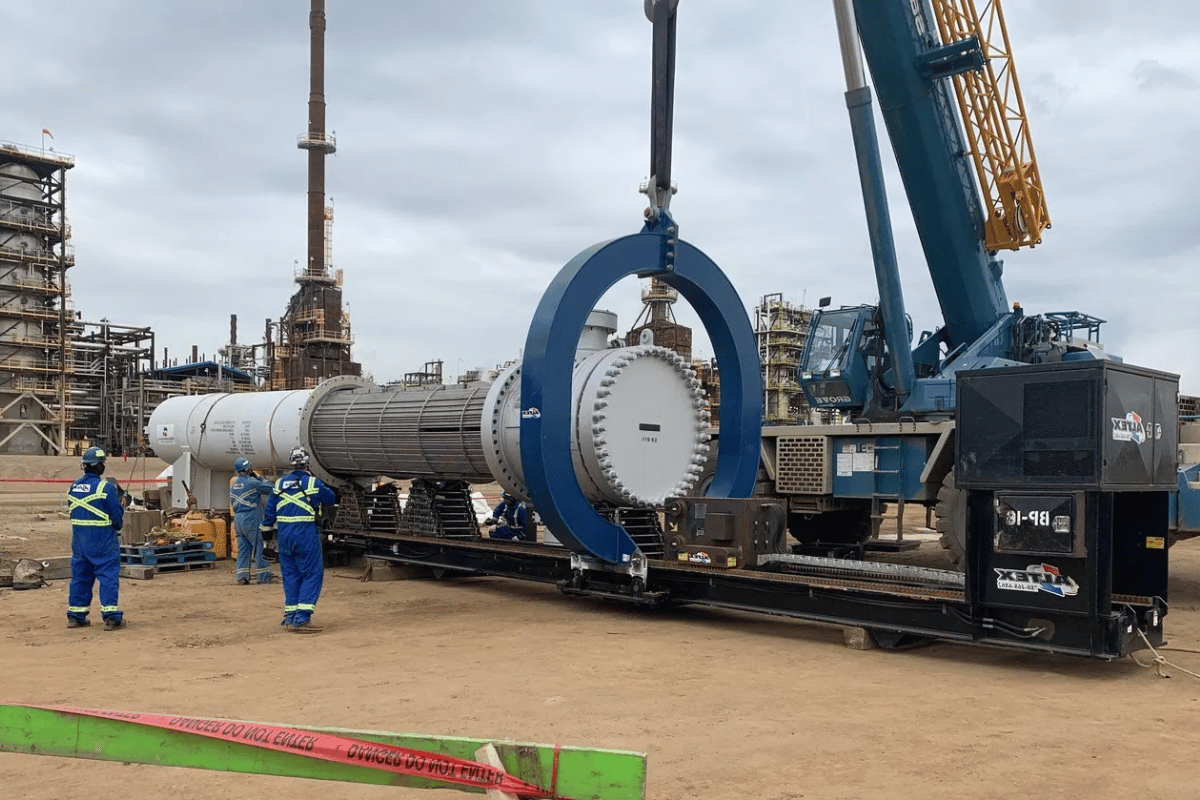
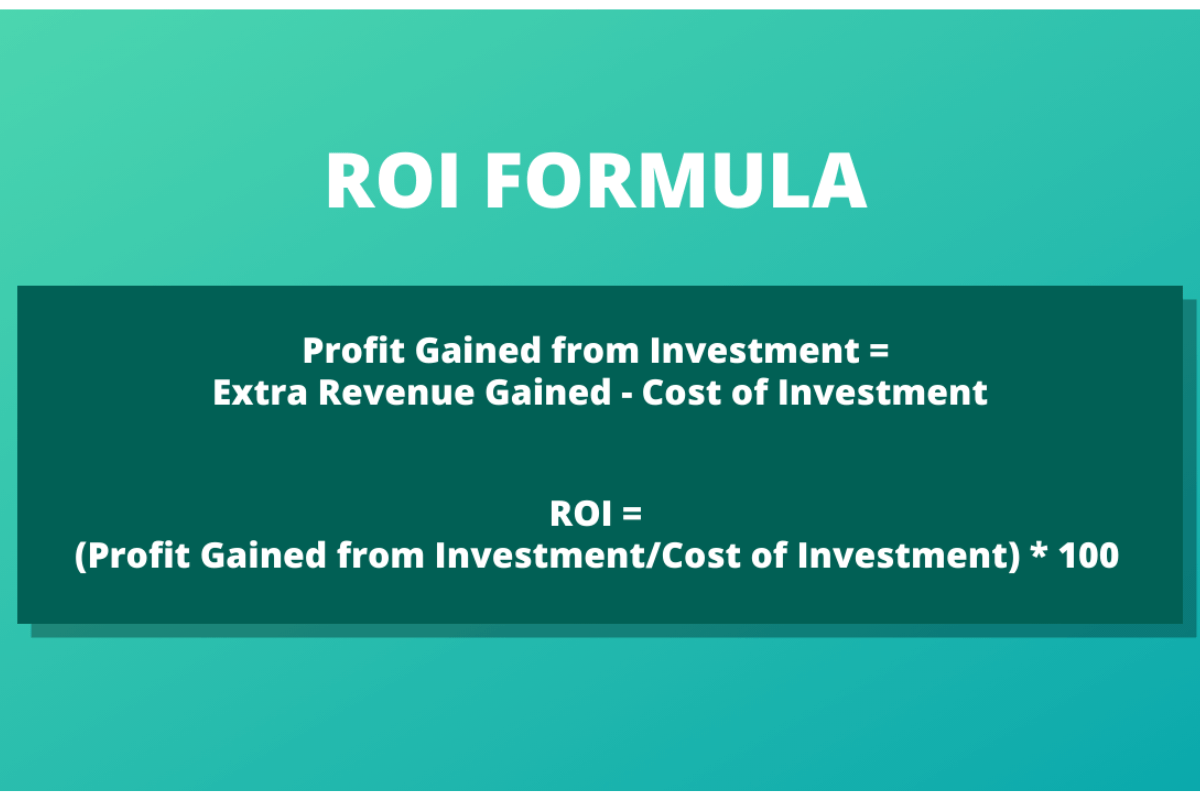
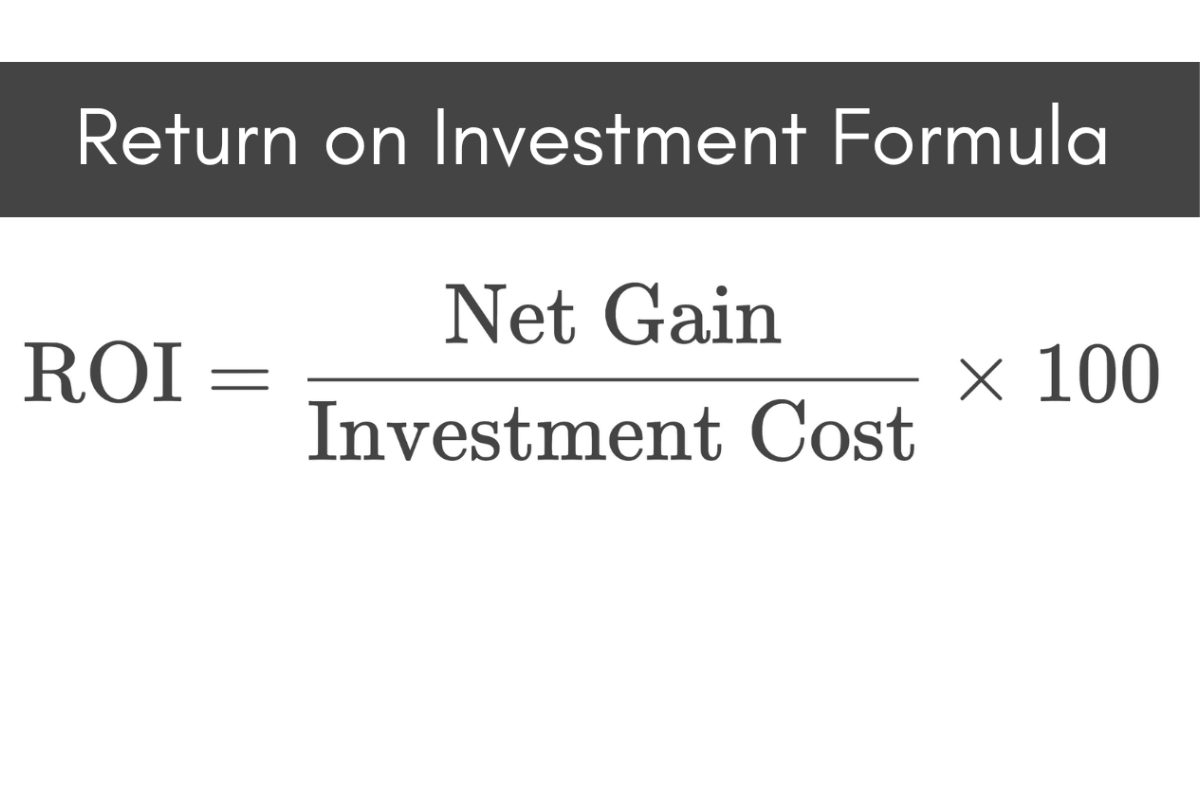
Return on Investment (ROI) is a performance measure used to evaluate the profitability of an investment. It is calculated by dividing the net profit of the investment by the total costs, then converting it to a percentage. This fundamental metric helps companies assess how effectively they're utilizing resources to generate returns.
Key Insight
A positive ROI indicates profits exceed costs, while a negative ROI signals losses. This metric enables firms to compare investment options and develop progressive strategies for business growth.
Definition of ROI and Its Importance
Return on Investment (ROI) serves as an essential metric for evaluating investment profitability by comparing profits against expenses. This measurement provides a clear, quantifiable method to assess financial success, facilitating informed decision-making. ROI helps businesses:
Measure performance effectiveness across different initiatives
Allocate resources strategically based on proven results
Maximize returns by identifying high-performing investments
Make data-driven decisions with confidence
How ROI Calculators Work
ROI calculators are automated tools that streamline the computation of returns across diverse investment scenarios. These calculators utilize formulas incorporating key variables such as initial investment, net income, duration, and recurring costs to generate percentage or monetary ROI results. The automation eliminates manual calculation errors and delivers accurate figures efficiently.
Modern calculators incorporate advanced features that account for market trends, demand elasticity, pricing fluctuations, and consumer behavior. Some sophisticated calculators integrate with advertising campaigns to retrieve cost-per-click (CPC) data and keyword performance, automatically assessing marketing ROI. This proves especially valuable for businesses requiring rapid, detailed analysis to maintain competitive advantage.
Common Misconceptions about ROI
Business owners frequently misunderstand ROI as solely representing monetary gain. However, ROI encompasses much broader considerations beyond pure financial metrics. Benefits may include market share expansion, enhanced customer behavior within target segments, and improved operational efficiency. Another common misconception suggests that once calculated, ROI becomes static and offers no ongoing utility beyond initial assessment. In reality, ROI should be continuously monitored and reassessed as business conditions evolve.
Using the Bundle Extractor ROI Calculator
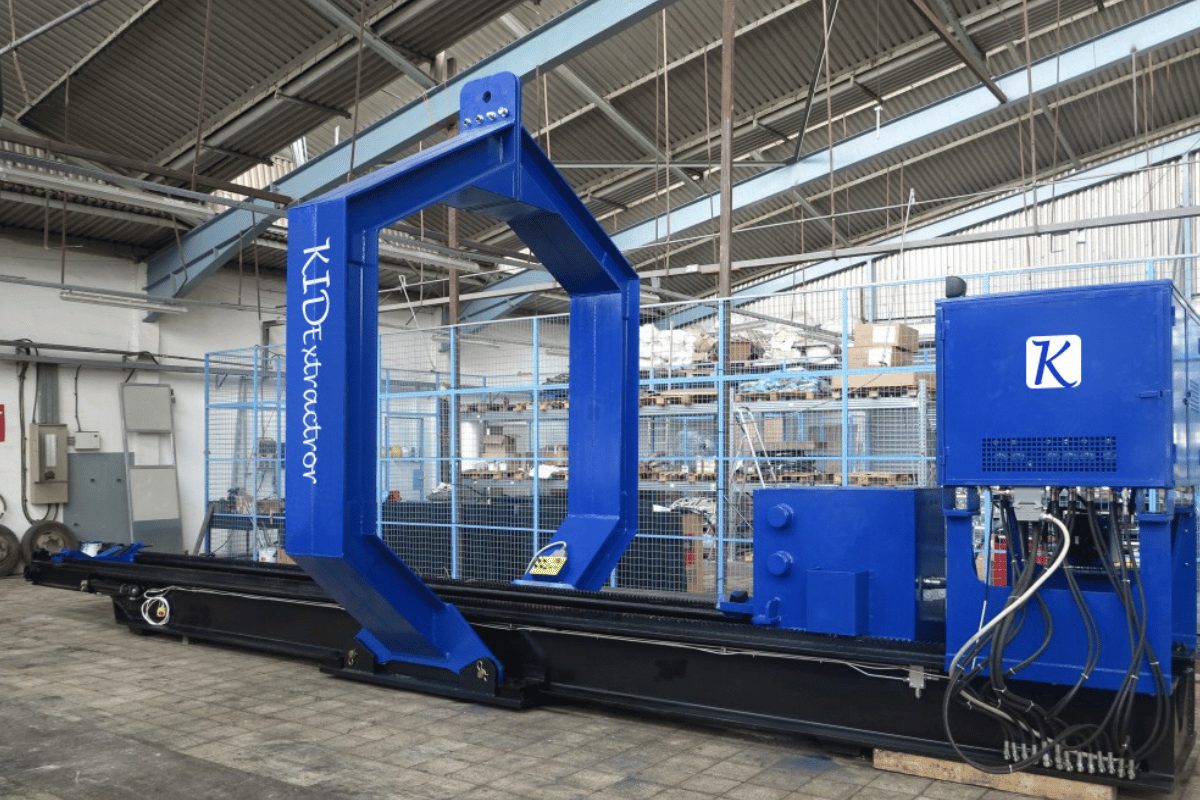
The Bundle Extractor ROI Calculator simplifies investment assessment by allowing users to input essential financial figures, including initial investment and expected revenue or economic benefits. Accurate data entry reflecting your specific operational conditions ensures reliable results. The calculator processes these parameters to generate ROI percentages, providing immediate insight into investment performance. Users can enhance analysis by including additional factors such as operational expense reductions and time savings.
Features of the Bundle Extractor ROI Calculator
| Feature | Description | Benefit |
|---|---|---|
| Automated ROI Calculation | Eliminates manual formula computation through automation | Instant, accurate results with minimal effort |
| Customizable Parameters | Adjust calculations with operational costs, time savings, scalability | Detailed, tailored analysis for specific scenarios |
| Real-Time Data Integration | Connects with live web data for current market conditions | Up-to-date, accurate financial estimates |
| Scenario Analysis | Compare multiple investment outcomes under varying conditions | Forecast different scenarios for better planning |
| Intuitive User Interface | User-friendly design for all experience levels | Easy data entry, analysis, and reporting |
Step-by-Step Guide to Using the Calculator
Access the ROI Calculator
Navigate to the calculator feature within the application or portal. Verify your login credentials to ensure proper access to all calculator features.
Input Necessary Information
Enter relevant data including starting capital, revenue projections, investment timeline, and risk level. Each section includes clear instructions to minimize input errors.
Perform Scenario Analysis
Use the scenario dashboard to adjust variables and create multiple scenarios. This enables comparison of potential outcomes under different conditions.
Review the Results
Thoroughly examine generated outputs including visualizations, charts, ratios, and performance indicators to inform your investment strategy.
Save or Distribute Reports
Once analysis is complete, generate reports for internal reference or stakeholder presentation. The export function simplifies report distribution.
Real-Life Examples of ROI Calculations
Practical ROI calculations frequently appear in digital marketing campaigns. Consider this example: A search-driven advertising campaign costs $5,000 and generates $15,000 in revenue. The ROI calculation would be:
ROI Formula:
ROI = [(Revenue - Investment) / Investment] × 100
ROI = [(15,000 - 5,000) / 5,000] × 100
ROI = 200%
This 200% ROI indicates a highly successful campaign. Similar calculations apply to capital expenditures such as equipment purchases. For example, if new equipment costing $50,000 increases production efficiency and generates an additional $75,000 in annual sales, the ROI demonstrates strong investment justification. These examples illustrate ROI's practical application across various business contexts.
Estimating Cost Savings with Automation
Automation delivers significant cost savings through reduced manual labor, decreased error rates, and enhanced productivity. To estimate savings, identify tasks suitable for automation and calculate current labor costs, including overtime and error-related expenses. Compare these costs against automation tool deployment and maintenance expenses.
Automation Impact
Data entry automation can reduce labor costs by 60-80%, depending on task complexity. Additional savings come from minimized operational delays, reduced rework, and shortened cycle times.
How Automation Affects ROI
Automation optimizes operations by conserving resources, eliminating manual routine work, and improving precision—all factors that reduce wasteful expenditure. Recent analyses reveal that organizations implementing advanced automation tools report productivity improvements averaging 20-30%. Automation also enhances customer experience through faster service and more engaging communication, improving retention and expanding market reach. These efficiency gains demonstrate that automation investments frequently deliver substantial returns within short timeframes, reinforcing competitive and profitable positions.
Calculating Total Savings through Automation
To determine total automation savings, identify all automated processes and calculate time and resource savings per process. Consider:
Reduced labor charges from decreased manual work
Minimized error-related costs and rework expenses
Decreased operational idle time
Increased efficiency and productivity gains
Compare these savings against implementation and maintenance technology costs to understand the practical monetary benefit automation provides.
Case Study: Success Story in Cost Savings
Medium-Sized Retailer Invoicing Automation
| Challenge: | Manual invoice processing causing errors and delays |
| Solution: | Implemented Robotic Process Automation (RPA) |
| Error Reduction: | 85% decrease in data entry errors |
| Time Savings: | Processing time reduced from 20 minutes to under 3 minutes per invoice |
| Annual Savings: | $150,000+ in labor expenses |
| Payback Period: | 10 months |
Employees were able to redirect efforts toward strategic activities like supplier negotiations, demonstrating both efficiency improvements and ROI effectiveness.
Optimizing Your Investment with the ROI Calculator
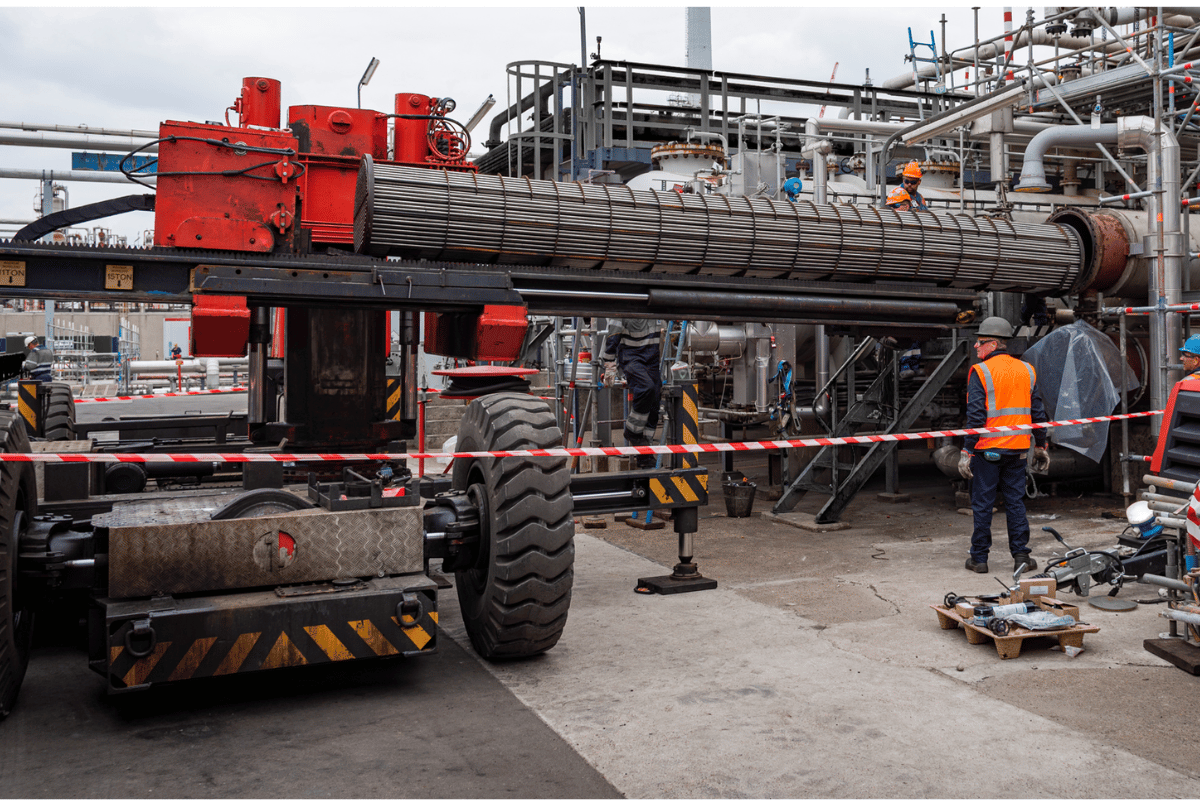
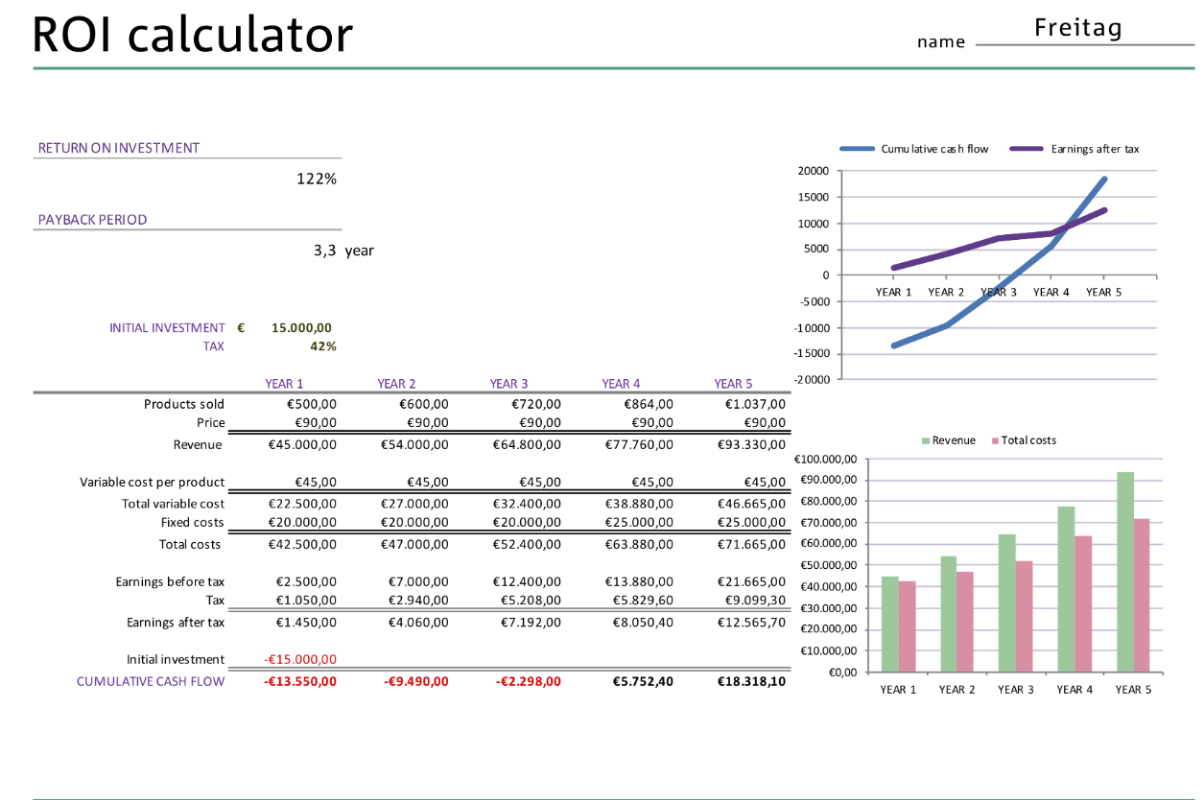
When planning to deploy RPA or similar automation solutions, the Bundle Extractor ROI Calculator serves as an invaluable instrument for calculating monetary benefits. By entering essential parameters—initial costs, time savings, and error reduction levels—businesses receive precise savings and ROI estimations. This enables organizations to focus on critical information, minimizing resource waste while implementing functional automated workflows aligned with organizational objectives.
Identifying Areas for Improvement
To identify improvement opportunities in automation projects, analyze ROI calculator results alongside current operational data. Examine frequently searched pain points and industry-common challenges. High-priority areas such as "manual data entry errors" or "slow work processes" often indicate where automation can deliver significant impact with minimal effort and rapid implementation. Incorporating these insights into ROI analysis allows concentrated efforts on high-yield transformations, ensuring waste reductions generate substantial returns.
Strategies to Maximize Your ROI

1. Automate Routine Processes
Tasks like data entry, payroll management, and inventory tracking benefit greatly from automation. McKinsey reports show companies using automation reduce operational costs up to 30%, enhancing efficiency and resource optimization.
2. Invest in Employee Training
Well-equipped employees rapidly adopt new systems and technologies. Organizations providing comprehensive training initiatives see profitability boosts of 24% compared to minimal or no training programs.
3. Enhance Resource Distribution
Conduct detailed analysis of inefficient sectors to redistribute resources more effectively. Redirecting 10-15% of marketing spend to higher-performing digital channels often increases overall ROI significantly.
4. Promote Data-Informed Decisions
Strategic analytics application helps businesses make data-driven decisions, eliminating risks and enhancing activity effectiveness. Deloitte reports data-driven companies are 23 times more competent in customer and operational strategies.
5. Adopt Scalable Technologies
Implement systems that accommodate growth without proportional cost increases. Cloud computing facilitates adaptability while reducing IT expenses. Gartner reports organizations using cloud services sustain 25% cost savings versus traditional infrastructure.
Assessing the Value of Your Investment Over Time

To evaluate investment effectiveness over time, monitor quantitative performance parameters including ROI ratios, growth patterns, and operational efficiency improvements. Comprehensive financial analysis, benchmarking against market leaders, and technical performance assessment provide perspectives supporting long-term objectives. Periodic performance trend reviews against industry standards assist in efficient value enhancement from investments, even in dynamic environments.
Evaluating Process Efficiency with the Tool
To evaluate process efficiency, establish key performance indicators (KPIs) including processing time, error rates, and throughput. Begin by assessing current management processes to measure task completion times. Employ the tool's analytical capabilities to diagnose operational bottlenecks or inefficiencies. Compare results before and after implementation to substantiate improvements such as reduced error rates or increased processing speed. Continuous metric monitoring against baseline measurements ensures ongoing process optimization and data-driven corrections.
Key Metrics for Measuring Efficiency
Essential efficiency metrics provide detailed insights into operational performance. Critical measurements include:
| Metric | What It Measures | Impact |
|---|---|---|
| Task Completion Rate | Number of tasks completed within a specific period | Establishes team/system performance capacity |
| Cycle Duration | Time from task initiation to completion | Identifies process bottlenecks and delays |
| Error Frequency | Rate of errors occurring during processes | Reflects quality and accuracy of performance |
Organizations efficiently monitoring and improving these KPIs typically record minimum 30% efficiency boosts within 6 months. Incorporating advanced analytical solutions with automation and machine learning integration enables real-time data comparison. Continuous improvement through iterative modifications stabilizes these metrics while aligning them with business objectives.
Analyzing Workflow for Greater Productivity
Workflow analysis improves productivity by enhancing efficiency, reducing bottlenecks, and eliminating process waste through strategic task prioritization and resource allocation. Cloud-enabled analytical platforms help organizations adapt workflows using model-based outcome forecasts from actual user behavior. This strategy provides improvement indicators while enabling proactive system adjustments to maintain operational capacity and competitiveness in evolving external environments.
Implementing Changes Based on ROI Analysis
Implementing changes following ROI analysis involves identifying projects offering maximum gains with minimal spending or risk exposure. Through careful data pattern and parameter review, prioritize changes most relevant to organizational goal achievement. Implement modifications systematically across functional areas, ensuring complete integration without disrupting ongoing operations or long-term institutional growth.
Bundle Extractor ROI Calculator: Frequently Asked Questions
What is a Bundle Extractor ROI Calculator, and how does it work?
A Bundle Extractor ROI Calculator is an evaluation instrument assessing the financial implications of purchasing or renting bundle extraction equipment for heat exchangers. It quantifies cash flows required to obtain equipment value relative to process costs, providing an analytical framework for evaluating benefits and payback periods of bundle extractors.
What is the operation principle of the ROI calculator?
The calculator compares current bundle extraction costs (crane usage or manual methods) against professionally designed bundle extractor expenses. It determines payback periods and overall gains by analyzing labor costs, equipment rental, operational downtime, and safety enhancement measures. The standard formula used is: ROI (%) = [(Benefits - Costs) / Costs] × 100
What essential information is needed for proper calculation?
Realistic ROI estimation requires the following data:
Investment Costs: Bundle extractor purchase price, transport, installation, and ancillary equipment
Labor Costs: Personnel required for traditional versus extractor-assisted processes with hourly compensation
Equipment Rental Costs: Crane or heavy equipment rental expenses for manual bundle removal
Frequency of Operations: Annual bundle extraction or insertion occurrences
Downtime Costs: Hourly plant or unit shutdown expenses (manual methods typically require longer downtimes)
Safety and Insurance Costs: Safety incident data and potential insurance premium reductions
What results does the ROI Calculator deliver?
The calculator's primary outputs include:
Return on Investment (ROI): Percentage profit derived from the investment over time. Positive ROI indicates savings from the extractor outweigh purchase expenses.
Payback Period: Time (in months or years) until cumulative savings equal or exceed acquisition costs. Shorter periods indicate more viable investments.
Understanding these results supports fiscal decision-making by management, presenting compelling cases for process reengineering and cost minimization.
What are the main benefits of this calculator to a company?
The ROI calculator provides several strategic advantages:
Data-Driven Decision Making: Evaluation relies on financial metrics rather than intuition for capital outlay justification
Cost-Benefit Analysis: Systematically lists and monetizes cost reductions in labor, equipment rental, and operational downtime
Safety Justification: Projects safety investment value by calculating incident cost reductions
Operational Planning: Enables maintenance and operations managers to predict appropriate budgets and resource allocation over time
Can you provide a practical example where the ROI calculator is most useful?
Petrochemical Refinery Case Study
Scenario: A refinery performs maintenance on 30 heat exchangers annually.
Current Process:
6 technicians required
Crane rental necessary
24 hours downtime per unit
Proposed Solution: New bundle extraction machine
Only 3 technicians needed
Extraction/insertion takes 6 hours
Calculator Results: Significant annual labor savings and reduced expensive downtime. Expected payback period: 1.5-2 years with substantial positive ROI throughout equipment lifespan. This creates a compelling business case for the transaction.
Reference Sources
The following resources provide additional information on Bundle Extractor ROI calculators:
1. ROI Calculator
This tool assists in testing and selecting appropriate extraction equipment and accessories with minimal stress.
Resource available for detailed equipment selection guidance
2. Bio-Extractor Return On Investment Calculator
Demonstrates cost savings and profits from various extractors. Adjustable parameters enable customized scenario analysis.
Interactive calculator with scenario modeling capabilities
3. Calculating Return On Investment Of Packaging Machines
Presents methodology for ROI calculation using the formula: (Return - Investment) / Investment × 100%, adaptable for bundle extractor measurement.
Fundamental ROI calculation framework applicable across equipment types
Recommend reading: Bundle Puller & Bundle Extractor Equipments
Ready to Optimize Your Investment?
The Bundle Extractor ROI Calculator provides the analytical framework needed to make informed decisions about automation investments. By accurately calculating costs, benefits, and payback periods, businesses can confidently pursue process improvements that deliver measurable returns.
Start maximizing your operational efficiency and ROI today with data-driven investment analysis.