
 Chinese
Heat exchanger maintenance is a critical aspect of plant operations that directly impacts efficiency, safety, and operational costs. This comprehensive guide covers essential maintenance strategies, best practices, and troubleshooting techniques to maximize heat exchanger performance during planned shutdowns. Through proper maintenance planning and data-driven decision-making, organizations can minimize downtime while achieving maximum plant efficiency.
Understanding Heat Exchangers
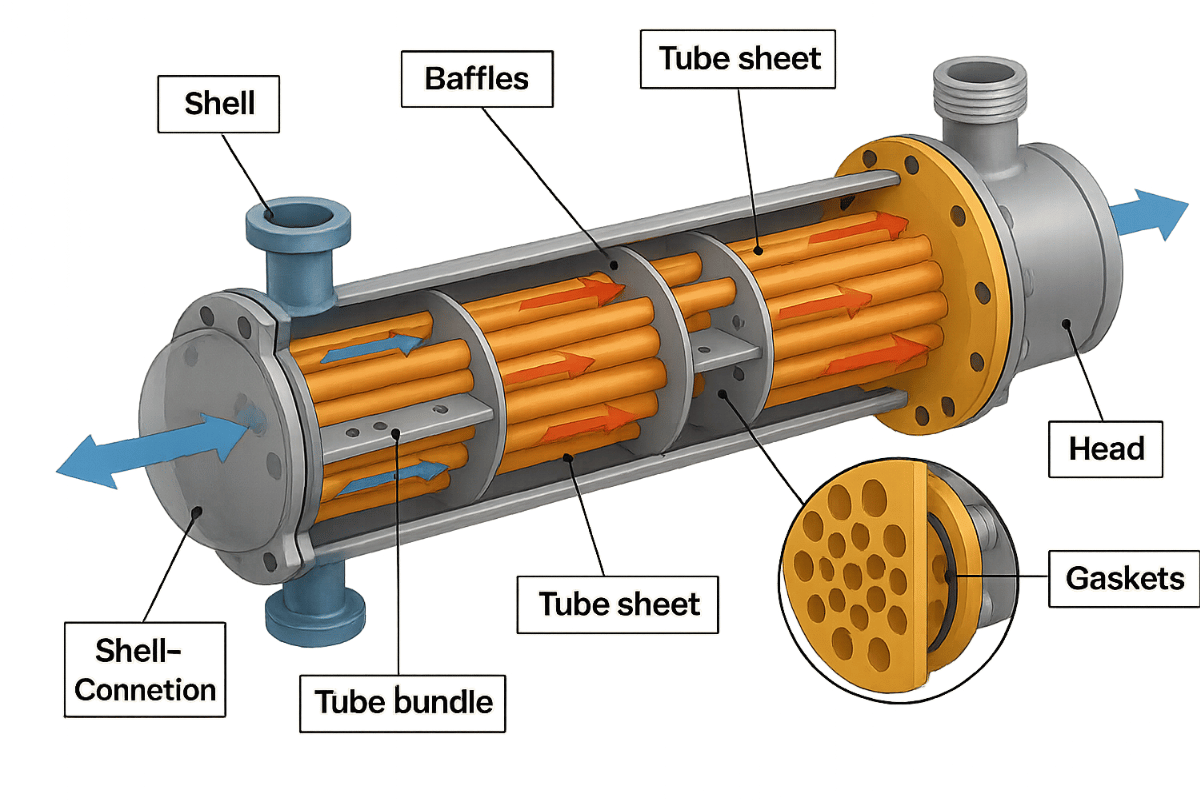
Heat exchangers are specialized devices designed to efficiently transfer heat between two fluids without allowing contamination, mixing, or direct contact. These critical components are prevalent in industrial processes, HVAC systems, and vehicles where temperature regulation is essential. The fluids flow through separate passages while heat energy transfers across a conductive wall, improving energy efficiency and maintaining stable temperatures.
Why Proper Maintenance Matters
Regular maintenance ensures heat exchangers operate efficiently, maintain structural integrity, and achieve maximum service life. Neglecting maintenance can lead to system failures, increased operational costs, and unexpected facility breakdowns.
Types of Heat Exchangers
Various heat exchanger types exist, each classified by construction, function, and optimal operating conditions. Understanding these types is crucial for implementing appropriate maintenance strategies.
| Type | Description | Common Applications |
|---|---|---|
| Shell-and-Tube | Multiple tubes enclosed within a cylindrical shell; one fluid flows through tubes while another flows around them | Power generation, chemical industries, high pressure/temperature applications |
| Plate Heat Exchangers | Stacked corrugated metal plates creating multiple fluid pathways | HVAC systems, food processing, applications requiring compact design |
| Air Coolers | Utilizes air flow promoted by fans to cool fluid through finned tubes | Oil and gas industry, water-scarce environments |
| Double Pipe | One pipe within another allowing concurrent or countercurrent flow | Low-duty heat transfer, small-scale process heating |
| Thermal Storage | Collects thermal energy in heat-resistant material before transferring to cold system | Gas turbine engines, furnaces, heat recovery systems |
Importance of Heat Exchanger Maintenance
Consistent maintenance ensures heat exchangers remain efficient, structurally sound, and operational for extended periods. Inadequate maintenance leads to system defects, elevated operational costs, and equipment failures. Each maintenance strategy serves a specific purpose in preserving equipment performance and longevity.
🛡️ Preventing Scale and Fouling
Scaling and fouling involve sediment accumulation on heat exchanger surfaces, hindering effective heat transfer and increasing energy consumption. Studies show fouling can cause efficiency losses up to 30%, making early detection critical.
🔍 Leak Detection and Treatment
Leakage causes pressure drops, fluid loss, and decreased system efficiency. Regular inspections address leaks promptly, containing deterioration and preventing exposure risks.
⚡ Improving Energy Consumption
Proper cleaning and maintenance at scheduled intervals significantly impacts energy efficiency. Benchmark data reveals clean heat exchangers can save 10-15% in energy costs.
⏱️ Preventing System Deterioration
Corrosion, thermal cycling, and pressure variations cause premature equipment damage. Regular maintenance prevents these issues, extending heat exchanger lifespan and avoiding costly repairs.
✅ Safety and Compliance
Heat exchangers often operate under high pressure and thermal conditions. Timely maintenance prevents failures, ensures compliance with safety regulations, and reduces legal and financial liabilities.
Heat Exchanger Maintenance Strategies
Implementing comprehensive maintenance strategies ensures optimal heat exchanger performance while minimizing operational disruptions. The following approaches provide a systematic framework for maintaining equipment efficiency and reliability.
Core Maintenance Strategies
Regular Visual and Performance Checks
Conduct routine inspections to identify fouling, corrosion, and leakage. Early detection provides time for repairs before widespread damage and extended downtime occur.
Scheduled Cleaning Cycles
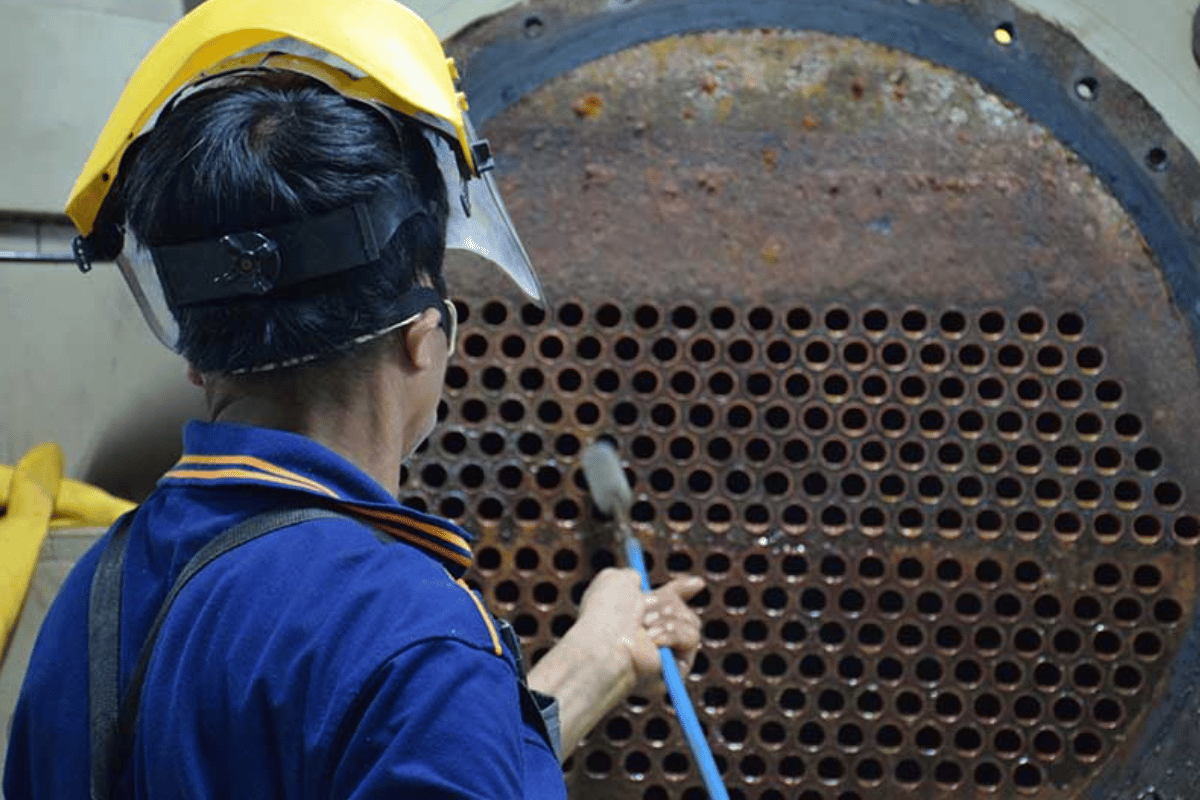
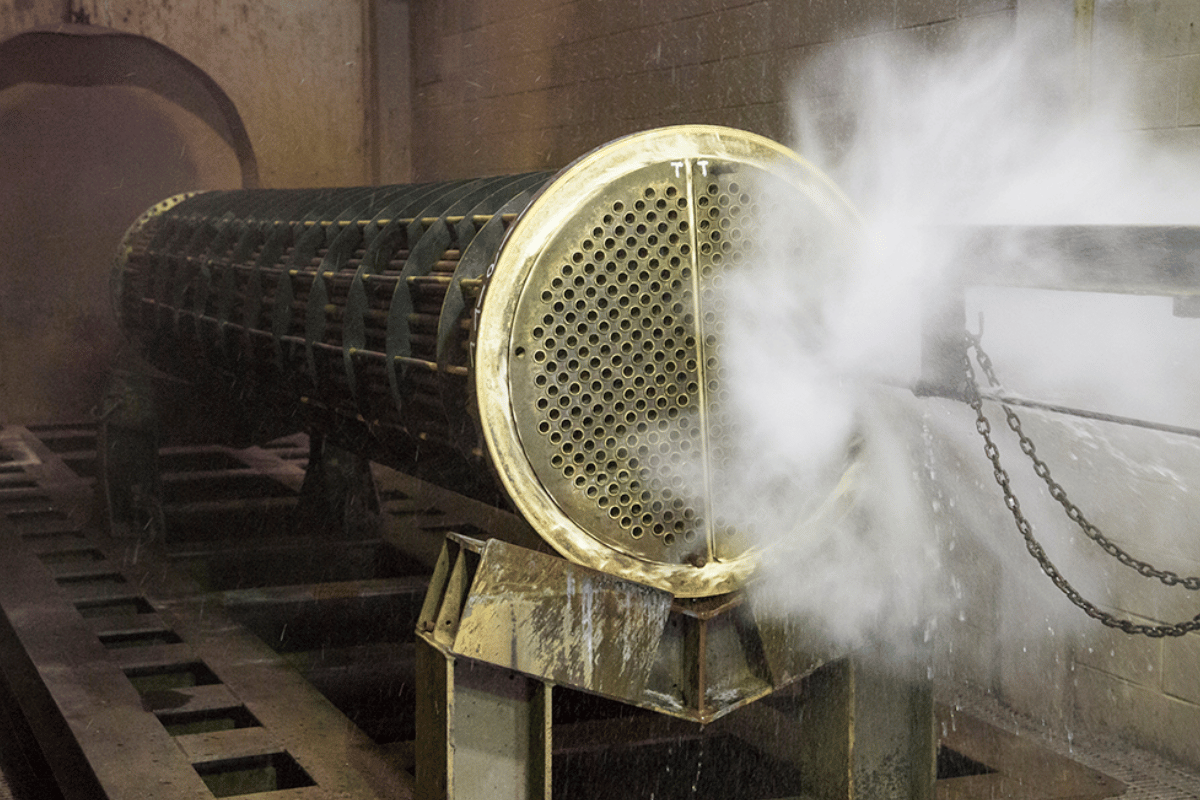
Implement periodic cleaning using chemical treatments, hydro-blasting, or mechanical brushing to remove buildup and maintain optimal heat transfer capabilities.
Monitor Critical Parameters
Establish tracking mechanisms for temperatures, pressures, and flow rates. Parameter deviations often indicate developing problems requiring investigation.
Use Appropriate Construction Materials
Verify all materials are corrosion-resistant for specific chemical environments and operating conditions, preventing material degradation and failures.
Gasket and Seal Maintenance
Inspect seals and gaskets regularly to maintain functionality and prevent leakage, especially critical in high-pressure applications.
Scheduled Maintenance Practices
Heat exchanger maintenance during shutdowns minimizes disruptions from unplanned breakdowns. Following current best practices, comprehensive scheduled maintenance should include these essential components:
Thorough Cleaning
Clean heat exchangers using appropriate chemical treatments or mechanical methods suited to the exchanger type and materials. Select cleaning methods based on fouling characteristics.
Detailed Assessment
Examine all critical structural areas for corrosion, cracks, or component failure. Employ advanced diagnostic methods like ultrasonic or infrared testing where necessary.
Performance Evaluation
Assess system performance using sensor technology and digital monitoring to track flow rates, pressure gradients, and temperature differentials. Operational inconsistencies signal necessary repairs.
Seal and Gasket Replacement
Replace worn seals and gaskets according to manufacturer recommendations to prevent leaks and maintain proper pressure levels.
Performance Data Verification
Compare observed performance against design specifications. Efficiency shortfalls indicate required servicing or component replacement.
Predictive Maintenance Advantage
Specialized tools incorporating machine learning can predict component failures before they occur by analyzing operational patterns. This proactive approach significantly enhances performance and prevents unexpected shutdowns.
Manual Cleaning vs. Clean-in-Place Methods
Choosing between manual cleaning and Clean-in-Place (CIP) systems involves evaluating labor requirements, downtime, efficiency, and costs. Each method offers distinct advantages depending on operational priorities and equipment design.
| Key Factor | Manual Cleaning | Clean-in-Place (CIP) |
|---|---|---|
| Labor Requirements | High - requires significant manual effort | Low - minimal human intervention |
| Downtime | Extended periods required | Minimal operational interruption |
| Cleaning Efficiency | Variable - depends on technician skill | Consistent - automated process |
| Initial Cost | Lower upfront investment | Higher upfront investment |
| Automation Level | None - fully manual | Fully automated system |
| Safety | Higher risk - worker exposure | Safer - reduced human contact |
| Scalability | Limited - labor intensive | High - easily scaled |
Best Practices for Shell-and-Tube Heat Exchangers
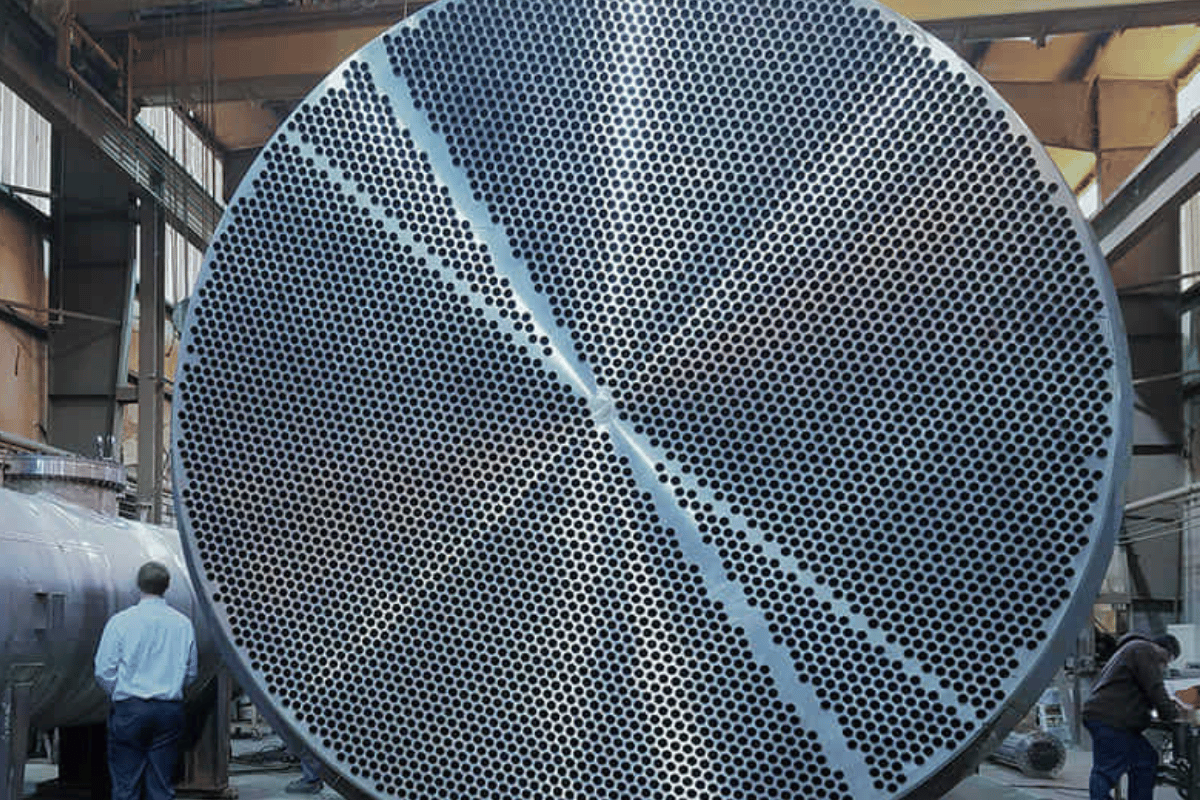
Shell-and-tube heat exchangers require specific maintenance approaches to ensure optimal performance and longevity. Following these best practices helps prevent common issues while maximizing operational efficiency.
Essential Maintenance Guidelines
Regular Inspection: Periodically examine tubes and shells for fouling, scaling, or corrosion. Establish appropriate cleaning mechanisms—mechanical or chemical—based on deposit nature and severity.
Monitor Operating Conditions: Maintain strict adherence to pressure and temperature parameters. Operating outside specifications causes thermal stress, material fatigue, and eventual equipment failure.
Optimize Flow Rates: Ensure adequate flow on both shell and tube sides to prevent fouling and erosion. Imbalanced flow reduces heat transfer efficiency and causes uneven component wear.
Material Compatibility: Select tube and shell construction materials compatible with process fluids to eliminate chemical corrosion and prevent premature equipment aging.
Corrosion Control: Apply appropriate inhibitors, coatings, or sacrificial anodes in corrosive environments. Effective corrosion control prevents leaks and structural deterioration.
Performance Monitoring: Continuously measure heat transfer rates, pressure drops, and output temperatures. Significant deviations require immediate investigation to prevent failures.
Controlled Thermal Transitions: Implement gradual heating and cooling during startup and shutdown to avoid thermal shock. Rapid temperature changes cause material expansion/contraction damage.
Workforce Training: Provide comprehensive training on heat exchanger design, operation, and troubleshooting. Well-trained personnel achieve optimal reliability and performance levels.
Disassembly and Reassembly Procedures
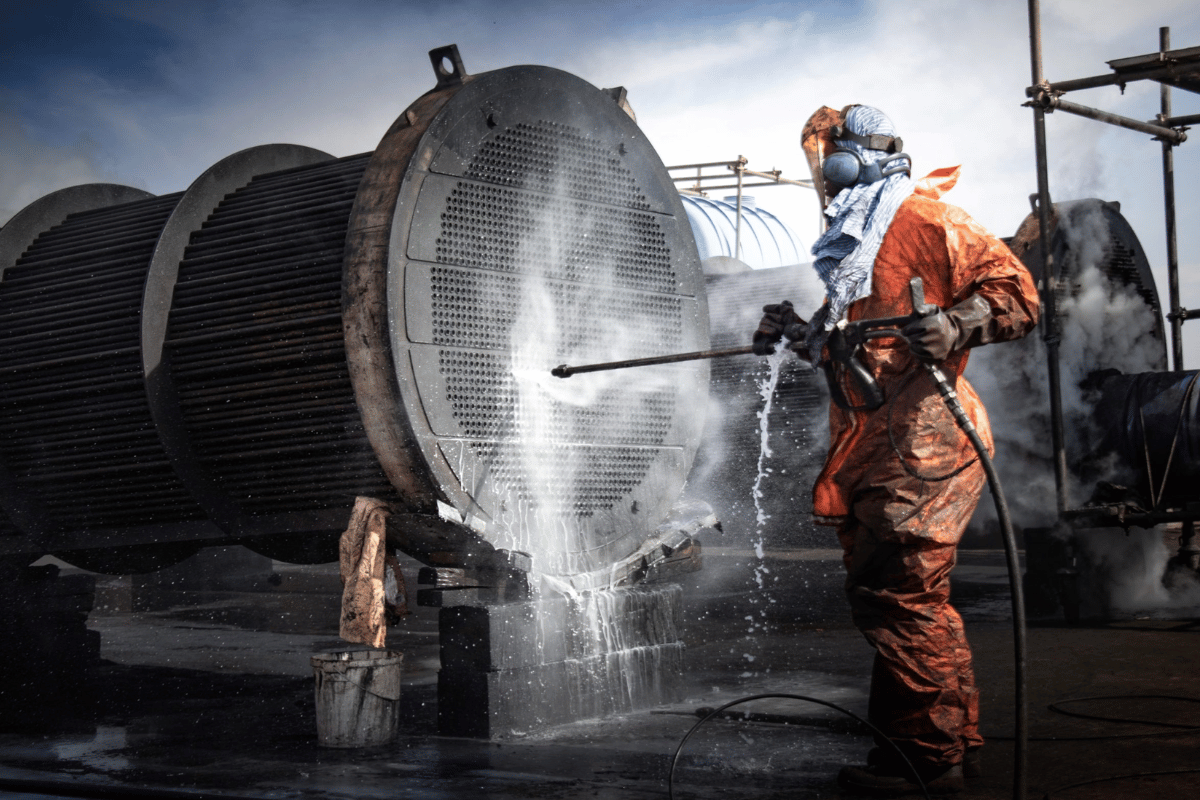
Proper disassembly and reassembly procedures are critical for safe, efficient heat exchanger maintenance. Following systematic approaches minimizes equipment damage while ensuring personnel safety.
Steps for Safe Disassembly
1. Planning and Preparation
Ensure equipment is de-energized and isolated. Disconnect power supplies, depressurize systems, and close valves to isolate the exchanger. Review manufacturer instructions and relevant safety codes (ASME or equivalent).
2. Venting and Draining
Remove all process fluids to prevent pressure buildup or spillage. Use designated vent openings to eliminate trapped gases. Ensure complete drainage before proceeding.
3. Pre-Disassembly Inspection
Conduct visual inspection for wear, damage, or corrosion before disassembly. Document all observed defects to facilitate reassembly and future maintenance planning.
4. Unfastening Connections
Use calibrated torque wrenches to carefully loosen flanges, bolts, and fittings. Follow manufacturer torque specifications to prevent component damage. Apply penetrating lubricants if corrosion impedes removal.
5. Tube Bundle Removal
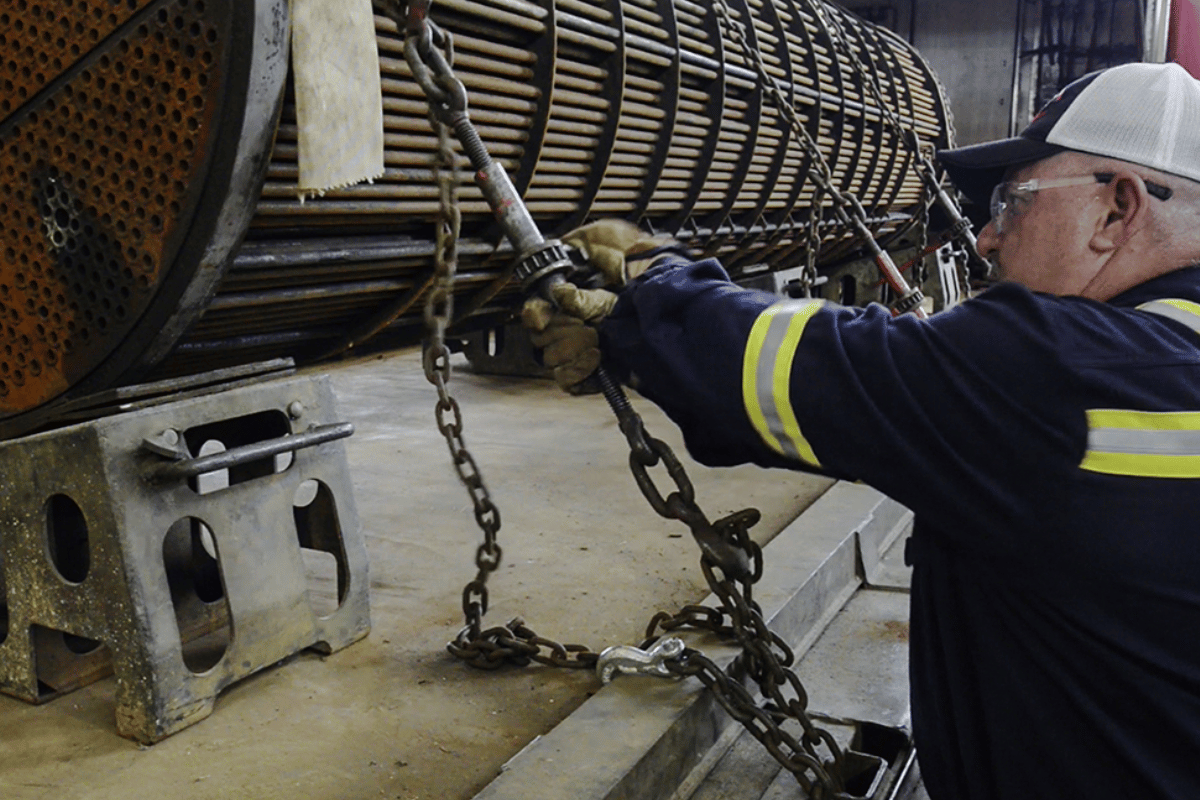
Employ hydraulic or mechanical bundle extractors to minimize damage risk. These tools maintain component alignment and shape during extraction. For larger exchangers, use properly rated cranes, hoists, and rigging operated by trained personnel.
6. Component Organization
Organize disassembled components systematically to prevent confusion during reassembly. Mark gaskets, seals, and wear parts requiring replacement for efficient identification.
7. Environmental and Safety Compliance
Dispose of drained fluids, gaskets, and debris according to environmental regulations. Follow OSHA protocols when handling hazardous materials to maintain workplace safety.
Key Considerations for Reassembly
Proper reassembly ensures heat exchanger performance, prevents leaks, and maintains operational safety. Emphasize precision and follow manufacturer guidelines closely throughout the reassembly process.
Critical Reassembly Steps
Inspect all components for wear, damage, or deterioration before installation
Clean and level all sealing surfaces meticulously to prevent leakage
Apply manufacturer-specified lubricants or sealants where appropriate
Use calibrated torque wrenches adhering to specified torque values to prevent gasket and flange distortion
Conduct pressure testing (hydrostatic or pneumatic) before returning to service
Verify all connections and perform leak checks during initial operation
Tools and Equipment Needed
| Tool/Equipment | Purpose |
|---|---|
| Calibrated Torque Wrench | Ensures proper bolt tightening without causing system strain or gasket damage |
| Pressure Testing Kits | Hydrostatic and pneumatic testing to verify system integrity and detect leaks |
| Flange Alignment Equipment | Ensures perfect alignment between flanged connections for stress-free operation |
| Gasket Cutting Tools | Precise replacement of worn gaskets for proper sealing |
| NDT Equipment | Ultrasonic and magnetic particle testing for quality assessment without component destruction |
| Personal Protective Equipment | Gloves, safety glasses, and steel-toe shoes for compliance with safety regulations |
| Sealants and Lubricants | Maintains surfaces and prevents unnecessary wear during operation |
| Inspection Cameras/Scopes | Visual inspection of internal components in otherwise inaccessible areas |
Cleaning a Heat Exchanger
Heat exchangers require regular, thorough cleaning to maintain optimal performance. Effective cleaning removes deposits that reduce heat transfer efficiency and increase energy consumption. The cleaning process involves systematic steps ensuring complete removal of contaminants while protecting equipment integrity.
How to Clean a Heat Exchanger Effectively
Step 1: Evaluation and Inspection
Scan and examine for fouling presence and severity. Identify deposit types such as mineral scaling, biomass, or oil residue. Use borescopes and related tools for internal component inspection where direct viewing is impossible.
Step 2: System Isolation and Draining
Disconnect the heat exchanger from operating systems to prevent complications. Empty all contents (water or other fluids) to prevent cleaning agent dilution or contamination.
Step 3: Select Appropriate Cleaning Method
Choose cleaning methods based on fouling level and heat exchanger design:
Mechanical Cleaning: Hand tools, brushes, plates, and hydro-jets for physical deposit removal. Effective for sludge, algae, and loose scale.
Chemical Cleaning: Acids, alkalines, or specialized chemicals to dissolve fouling. Selection depends on deposit composition and material compatibility. Typically performed as Clean-in-Place (CIP).
Step 4: Execute Cleaning Systematically
Apply selected cleaning method methodically:
For mechanical work, proceed systematically to prevent uneven coverage
For chemical cleaning, circulate solution throughout the exchanger, monitoring concentration constantly
For high-pressure cleaning, protect structural components while using appropriate pressure levels
Step 5: Rinse and Neutralization
Flush the entire heat exchanger with clean water to remove residual chemicals. Apply appropriate neutralizing solutions if active chemicals remain to prevent long-term material degradation.
Step 6: Post-Cleaning Assessment
Inspect the heat exchanger for remaining deposits, corrosion, or damage. Conduct pressure or leakage tests to ensure operational readiness without issues.
Step 7: Documentation
Record all cleaning procedures, materials used, and results for future reference and regulatory compliance. Detailed documentation supports continuous improvement and industry standard adherence.
Choosing the Right Cleaning Agents
Selecting appropriate cleaning agents is crucial for effective heat exchanger maintenance without causing equipment damage. Different fouling scenarios require specific cleaning solutions tailored to deposit types such as scale formation, biological growth, or oil accumulation. Ensure selected chemicals align with material compatibility and safety requirements prescribed by manufacturers and regulatory bodies.
Common Issues and Solutions
Heat exchanger maintenance presents various challenges requiring systematic approaches for effective resolution. Understanding common problems and their solutions ensures continuous operational efficiency and equipment longevity.
| Issue | Solution |
|---|---|
| Fouling and Clogs | Deposit accumulation reduces heat dissipation effectiveness and increases energy expenses. Solution: Schedule cleaning at appropriate intervals based on equipment utilization. Use combination cleaning methods (mechanical and chemical) carefully selected for deposit types. |
| Material Deterioration | Inappropriate cleaning materials and extreme pH levels accelerate heat exchanger shell deterioration. Solution: Study exchanger material composition and select compatible, non-reactive cleaning solutions. Monitor pH levels throughout the cleaning process. |
| Residue Contamination | Insufficient rinsing leaves residues causing processing contamination. Solution: Implement thorough rinsing procedures and post-cleaning inspections to confirm complete residue removal. |
| System Debris Blockage | Foreign bodies entering the system cause flow blockage and inefficiency. Solution: Install proper filtration equipment on incoming pipes to prevent debris entry. Conduct regular filter inspections to identify clogs early. |
| Leakage Issues | Gasket damage and corrosion cause fluid leakage requiring immediate attention. Solution: Conduct visual inspections for stains or drips. Replace worn gaskets and seals promptly. For severe cases, tube replacement may be necessary. |
Signs Your Heat Exchanger Needs Maintenance
Heat exchangers play vital roles in thermal processes across residential and industrial applications. Poor maintenance leads to reduced effectiveness, unnecessary expenses, and potential breakdowns. Recognizing warning signs enables timely intervention, preventing costly failures.
Critical Warning Signs
❌ Decline in Thermal Performance
Heating or cooling no longer functions as expected, often symptomatic of fouling or scaling. Deposit layers reduce heat transfer efficiency, significantly affecting system functionality.
⚠️ Unusual Pressure Drops
Notable pressure decreases across the heat exchanger indicate potential clogging, corrosion, or component damage. Persistent pressure issues require immediate investigation.
💧 Fluid Leakage
Leaking water or fluids around the heat exchanger signals gasket failure or corrosion requiring prompt attention. Delayed action increases costs and environmental pollution risks.
🔊 Unusual Noises
Rattling, knocking, grinding, screeching, hissing, or whining sounds indicate overpressure, scaling, or component wear. These noises often signal stress on critical structures risking failure.
⚡ Increased Energy Consumption
Equipment requiring excessive energy to achieve standard output suggests decreased heat exchanger performance. Elevated energy usage indicates poor thermal transfer and reduced efficiency.
🎨 Fluid Discoloration or Contamination
Color or cleanliness changes in output fluids indicate internal issues like corrosion, leakage, or cross-contamination between heat exchanger plates and pipes.
Proactive Approach
Addressing these symptoms promptly prevents premature equipment degradation while maintaining efficiency, safety, and operational standards. Regular inspections, scheduled cleaning, and maintenance activity tracking prevent system breakdowns and ensure expected heat exchanger function.
Addressing Efficiency Losses
Multiple factors contribute to heat exchanger inefficiencies, including fouling, scaling, and mechanical wear. Recent observations demonstrate that combining preventive maintenance with real-time monitoring provides optimal results. Analyzing historical data helps predict and eliminate failures before they occur. This enables operators to perform cleaning and component repairs before significant performance deterioration, reducing costs and energy consumption while sustaining output. Heat exchanger maintenance in shutdowns effectively incorporates these predictive methodologies into existing safety protocols.
Troubleshooting Shell-and-Tube Heat Exchangers
Primary indicators of heat exchanger problems include insufficient heat transfer, abnormal pressure drops, and unusual noises. Common causes involve fouling, scaling, and corrosion. Systematic troubleshooting examines seals and gaskets for leakage evidence while thermal imaging and pressure sensors help localize issues. Following diagnosis, appropriate corrective actions include cleaning, replacing damaged components, or modifying operational processes.
Frequently Asked Questions
What is Heat Exchanger Maintenance and how is it useful?
Heat Exchanger Maintenance encompasses procedures maintaining thermal performance, reliability, and equipment lifespan. It features periodic inspections, regular cleaning, operational monitoring, and advanced repairs. Key activities include establishing performance benchmarks, inspecting for leakage and corrosion, developing cleaning schedules controlling fouling and scaling, and documenting all maintenance work and results.
When is heat exchanger inspection and cleaning required?
Inspection and cleaning schedules vary based on application, system type, process fluids, temperatures, and pressures. Typical recommendations include:
Daily: Visual checks during routine operations
Quarterly/Semi-annually: Comprehensive detailed inspections
Annually or 4-6 months: Full maintenance for demanding applications or systems with impurities (hard water, high solids content)
How is heat exchanger cleaning carried out?
Cleaning methods vary according to system structure and fouling patterns:
Mechanical Cleaning: Physical deposit removal using high-pressure water jets (hydro-blasting), circulating abrasive balls, scrapers, or bristle tube cleaners. Effective for sludge, algae, and loose scale.
Chemical Cleaning: Specialized chemicals (acids, alkalines, or targeted formulations) dissolve fouling or scale deposits. Chemical selection depends on deposit composition and must prevent material corrosion. Typically implemented as Clean-in-Place (CIP) systems.
How do fouling and scaling differ and how are they controlled?
Fouling: General term for unwanted material deposition forming layers on heat transfer surfaces. Controlled through periodic mechanical cleaning or installing filtration to prevent particulate ingress.
Scaling: Specific fouling type resulting from dissolved solid precipitation (e.g., calcium carbonate) forming hard, low-conductivity layers. Managed through chemical descaling and water treatment methodologies like softening or scale inhibitor dosage.
How to find and fix heat exchanger leaks?
Detecting and eliminating leaks prevents fluid mixing and loss:
Internal Leaks: Process fluid crosses between sides. Detection involves pressure monitoring on each side for drops or cross-contamination indicators.
External Leaks: Visual inspection identifying stains or drips near gaskets, flanges, or junctions.
Remediation: Plate-and-frame exchangers typically require tightening or gasket replacement. Shell-and-tube units may need tube plugging for leaking tubes or complete bundle replacement in severe cases.
How to optimize heat exchanger lifespan?
Lifespan optimization encompasses:
Fluid Quality Control: Filtration and chemical treatment maintain process fluids within prescribed sanitation limits, preventing fouling, scaling, and corrosion.
Proper Operating Parameters: Maintain temperature, pressure, and flow rates within normal ranges to resist thermal stress, wear, and harmful vibrations.
Regular Cleaning Schedule: Periodic cleaning reduces excessive fouling accumulation that accelerates corrosion and lowers functionality.
Gasket and Seal Inspection: Check gaskets regularly for aging, brittleness, or compression, replacing them before failure occurs.
Reference Sources
The following resources provide additional information on heat exchanger maintenance:
1. Maintenance Activities Prolonging Heat Exchanger Service Life
Highlights importance of regular service procedures including effective filtration, contamination reduction, and planned cleaning schedules.
2. Heat Exchanger System Cleaning and Maintenance Advice
Provides practical guidance on mechanical cleaning methods and proper bolt tightening procedures for easier maintenance.
3. Shell-and-Tube Heat Exchanger Maintenance User's Guide
Explains various cleaning activity methods including best practices for using acidic solutions for deposit removal.
4. Ways to Enhance and Maintain Heat Exchanger Performance
Emphasizes effective techniques preventing fouling, blockage, and leakage to enhance equipment effectiveness and productivity.
5. Heat Exchanger Maintenance Preventative Checklist (2023)
Comprehensive pre-inspection list for checking leaks, corrosion, dirt accumulation, fluid samples, and transfer section cleaning to maximize system performance.
Recommend reading: Bundle Puller & Bundle Extractor Equipments
Maximize Heat Exchanger Performance
Proper maintenance during planned shutdowns is essential for optimal heat exchanger performance, energy efficiency, and equipment longevity. By implementing systematic maintenance strategies, organizations minimize downtime, reduce operational costs, and ensure safe, reliable operations.
Invest in proactive maintenance today to prevent costly failures tomorrow.