
 Chinese
The enhancement of operational efficiency is a primary concern for refineries that want to remain competitive in the continually demanding industry. This case study looks at the measures and innovative solutions that one refinery adopted in order to realize a 40% reduction in turnaround time that is, to all intents and purposes, remarkable. Turnaround times are necessary but expensive operations that are often a source of great concern for the refineries' profitability and the stability of the supply chain. The refinery sector has been able to change its way of working and get quantifiable results through the detection of critical inefficiencies and the use of the latest technology. Discover the difficulties they dealt with, the means they worked with, and the advantages that created a new standard in the industry.
Introduction to Refinery Turnarounds

Refinery turnarounds are periods that are planned during which normal operations are halted to carry out maintenance, inspections, and upgrades. These planned events play a vital role in assuring the safety, reliability, and efficiency of the refinery's equipment. Turnarounds, although necessary, are still very costly in terms of resources and require meticulous planning and execution in order to reduce both the period of unproductiveness and the costs linked to it. Through the tackling of essential maintenance and compliance issues during such intervals, refineries are able to prolong the equipment's useful life, enhance productivity and, at the same time, decrease the chances of having to face outages not planned for.
Understanding Refinery Shutdowns
Shutdowns of refineries, otherwise known as turnarounds or maintenance outages, are complex activities that need to be perfectly coordinated among different departments. The recent reports of the industry show that the stoppages of refineries negatively impact the processes if the plant is completely or partly shut down for the inspections, maintenance, repairs, and upgrades that need to be done and cannot be done during normal operation. Aging infrastructure, mandatory regulatory inspections, and technology upgrades to meet safety and environmental standards are the most common causes of shutdowns in refineries.
As per the latest statistics, the excellent shutdown management of the refineries entails planning well in advance with the use of predictive maintenance technologies and data-driven analytics to optimize schedules and resource allocation. For example, using AI-powered systems to predict component failures can lead to a substantial decrease in both the duration of the downtime and the total costs. These methods are being widely accepted as the most effective in refining operations and are focused on cutting down production losses while making sure that operational compliance and safety integrity are maintained.
The Importance of Turnaround Time
In the case of the many industries where the downtime has a direct impact on the profitability of the enterprise and on the productivity, turnaround time becomes the main indicator of operational efficiency. It necessitates a systematic approach, a solid foundation of data-driven insights and continual strategic planning, to reduce turnaround time while keeping safety and compliance as the top priorities. Here are five key considerations:
Minimized Operational Downtime
The data reveal that unplanned cessation of operations can cost some industries operators as much as $260,000 every hour. Efficient turnaround management not just limits unplanned downtime but also cuts down the cost by speeding up the tasks and delays lessened.
Enhanced Resource Utilization
The turnaround projects done correctly guarantee the maximum manpower, equipment, and tools are used. A research suggests that if workers are assigned to the project in line with the phases, then there will be an increase in productivity by up to 15%.
Improved Safety Standards
The equipment inspections and maintenance carried out during turnarounds are necessary for finding out defects, avoiding accidents, and assuring compliance with the standards. For instance, the industries with critical infrastructure often witness a 20% cut in the number of incidents after the turnaround.
Accurate Scheduling and Forecasting
Using predictive analytics can enhance the accuracy of schedules by 30-50%. This results in better forecasting of resource requirements, thus completely avoiding the risk of delays that can be caused by the lack of resources or the excessive use of them.
Cost Efficiency and ROI
A well-planned and executed turnaround decreases the need for repair and replacement since the focus is on preventative measures. According to the data, through the use of cost-effective planning tools and technologies, organizations can reach up to 25-40% improvement in ROI.
By focusing on these aspects, companies can turn around the strategic performance, weight the cost and safety aspects, and keep the operational excellence even in highly competitive markets.
Key Challenges in the Oil and Gas Industry
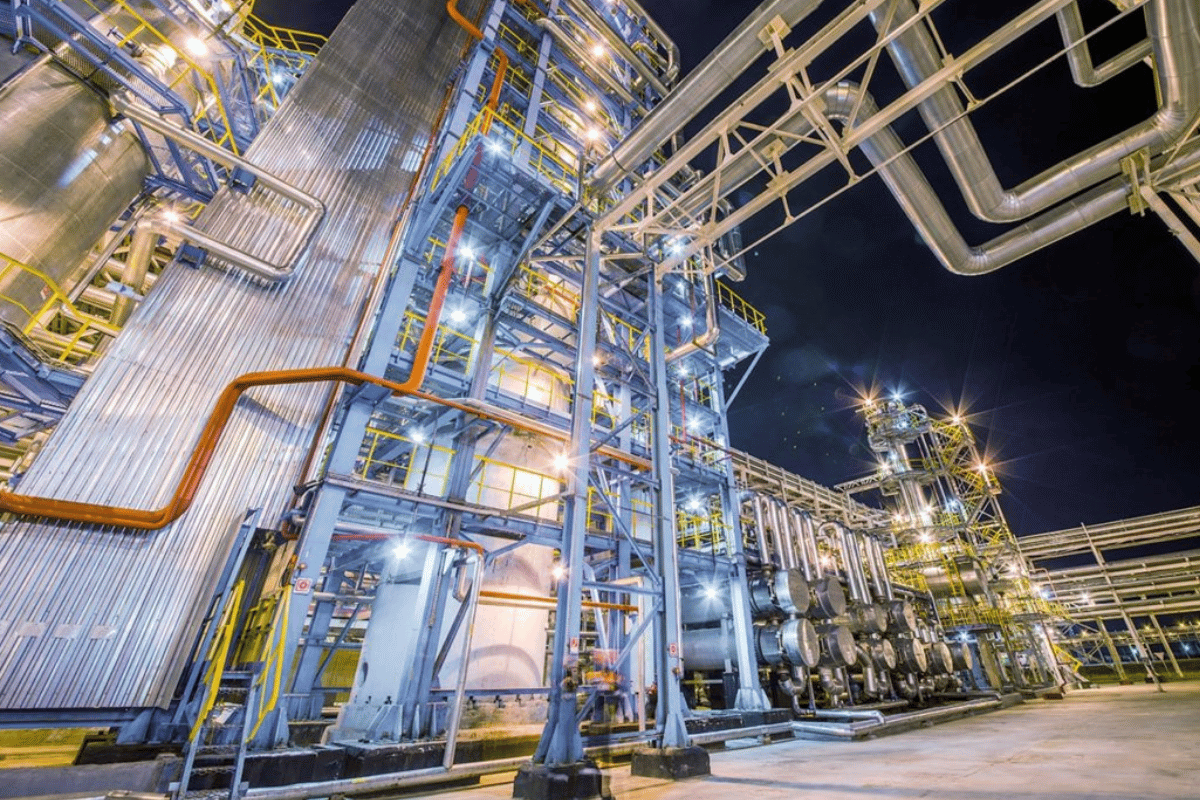
There are some challenges that the oil and gas industry has to deal with, and they are quite serious. The volatility of the global crude oil prices is the one that the industry has to confront first, as it influences the planning and profits directly. Besides, the environmental regulations are strict and they are coupled by huge investments in cleaner technologies to lower emissions and meet the requirements. The obsolescent facilities and the changes needed to bring the industry up to date are further straining the already dwindling resources, whereas the general shift of the industry towards the use of renewable energy sources is at the same time a factor that is posing a threat to competition and an opportunity for the companies that are able to adapt. At last, but not least, the labor market is a persistent concern for the oil and gas sector, as it is made up of younger and less experienced workers who are given training and succession planning through targeted efforts.
Strategies for Reducing Downtime
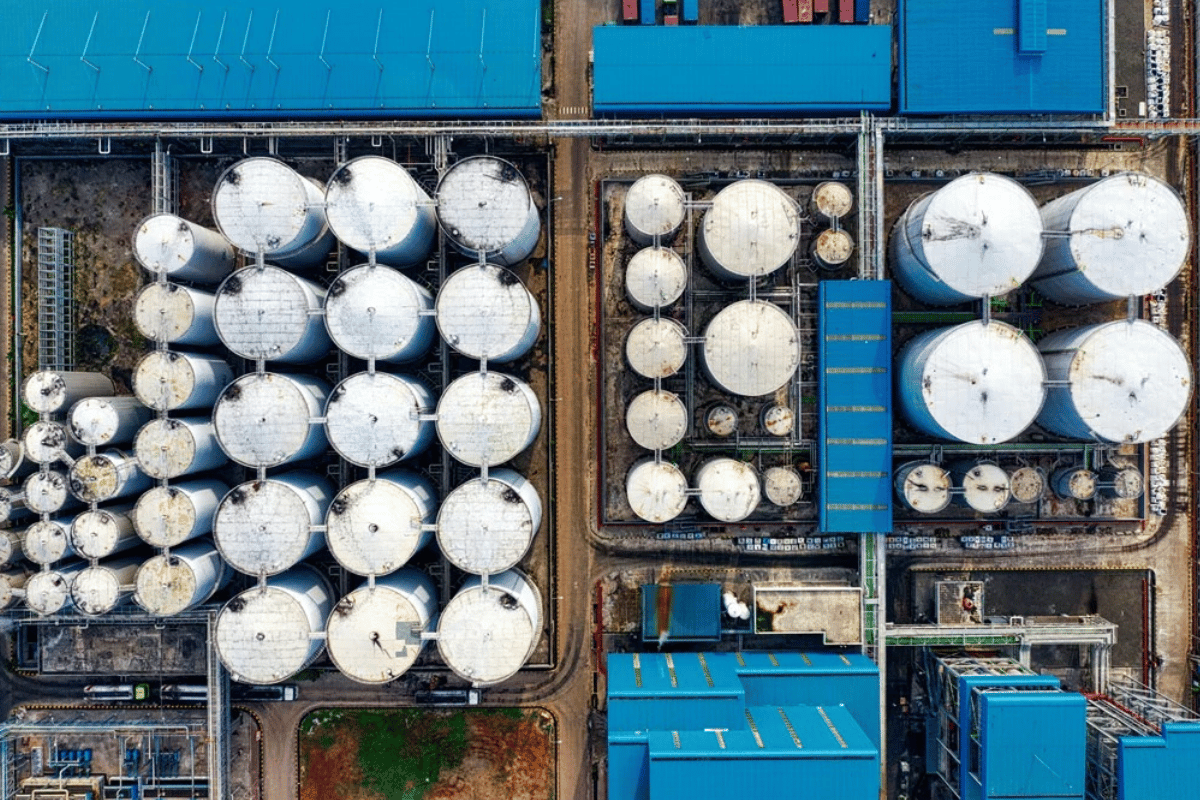
Preventive Maintenance Programs
Introduce a practice of constant inspections and maintenance for realizing and fixing potential problems beforehand so that they do not lead to equipment breakdowns. This kind of proactive management reduces unplanned outages and lengthens the lifetime of critical assets.
Invest in Predictive Technologies
The use of monitoring tools that are advanced such as sensors and data analytics will predict equipment performance issues. Predictive maintenance allows for early detection of anomalies, thus decreasing the chances of sudden breakdowns.
Streamlined Communication Protocols
Teamwork that minimizes communication barriers is guaranteed to quickly get the problems fixed. Clear workflows and escalation processes should be put in place to ensure immediate response to unexpected disruptions.
Staff Training and Development
Give your employees targeted training on how to properly use the equipment and handle the common technical problems. The presence of skilled employees will guarantee that the troubleshooting process is fast during events of downtime.
Redundant Systems
Wherever possible, the installation of backup systems or redundant equipment is to be done so that the operational impact during maintenance or equipment failure is minimized. This will ensure that the processing of critical tasks will not stop.
Evaluate Operational Efficiency Regularly
Carry out regular audits to spot the inefficiencies in the workflows and take the necessary steps to mitigate the problems of downtime. The frequent process refinements will result in significant improvement in the overall performance and resilience.
Implementing Advanced Technologies
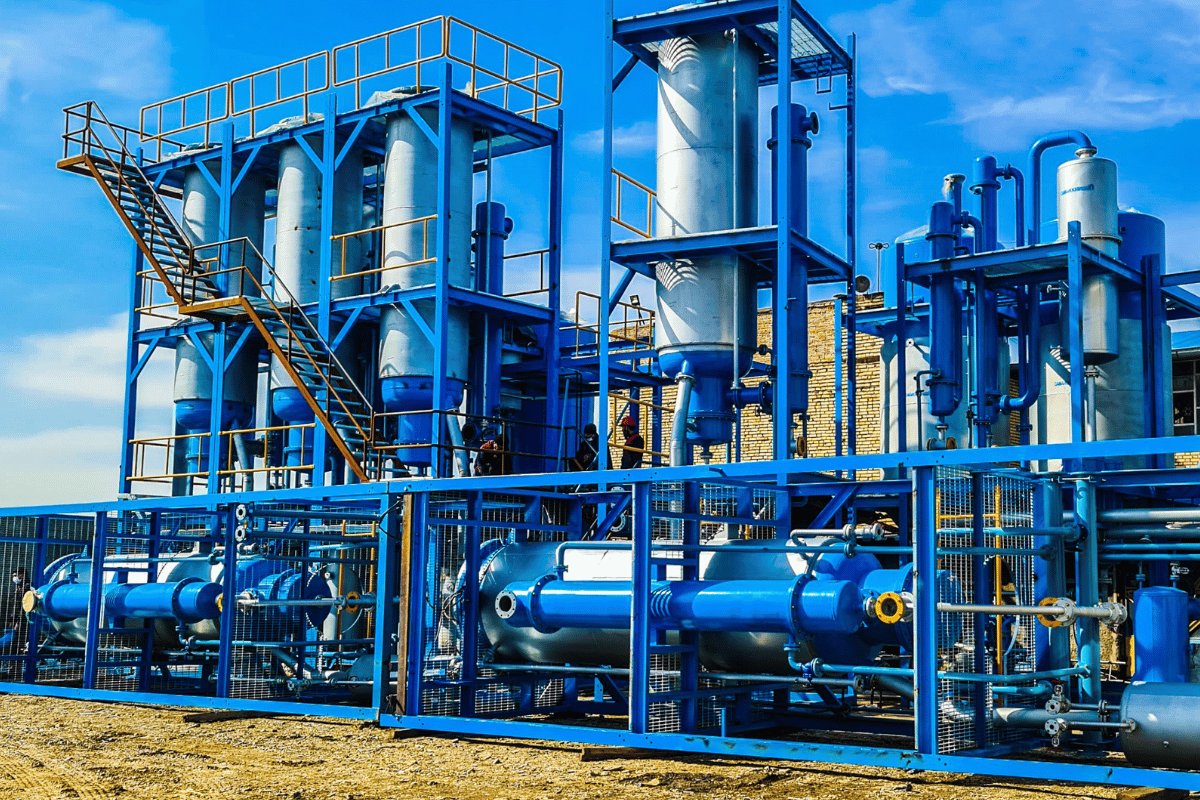
Implementing Predictive Maintenance
Predictive maintenance is a process that involves the continuous monitoring of the equipment, the use of advanced analytics and machine learning algorithms to forecast failures and take preventive actions accordingly.
To get the most out of the predictive maintenance, the organizations should first make sure to have the best data possible which is based on sensors coming from the equipment. Only then this data can be put through the best analytics platform. The machine learning models will be able to spot the patterns and the anomalies giving insights about when it is best to do maintenance. Moreover, the use of external data sources such as the environmental conditions and operational benchmarks will improve the accuracy of the predictions and hence the timely and precise interventions. This proactive strategy safeguards against the unexpected shutting down of machines, enhances the life of the asset and cuts down the operational costs.
Utilizing Non-Destructive Testing (NDT)
Non-Destructive Testing (NDT) is a technique that makes it possible to assess the quality and functionality of a material or part without destroying it. The methods applied in this process include ultrasonic testing, radiographic evaluation, and magnetic particle inspection, which together provide very accurate detection of any defects, cracks, or points of weakness. Consequently, safety can be guaranteed, reliability increased and downtime reduced while the equipment remains functional.
Leveraging Digital Twin Technology
Digital Twin Technology's implementation consists of generating digital copies of tangible products, systems, or workflows, and performing live simulation, analysis, and optimization of their efficiency. Virtually blending these models with substantial data analytics and AI-based algorithms aids users in gradually gaining hands-on insights which will lead to the improvement of operational efficiency and the prevention of possible issues before they come up.
To illustrate, digital twin can be alerted about increasing consumer tastes, changing demand patterns, or outside factors such as local disruptions or climate through search engine insights. These factors contribute to more accurate predictions and effective simulations. Companies could rely on such partnerships to perfect their supply chain management, estimate market trends, and alter their response to changing conditions in real time which, in turn, will facilitate data-driven decision making and grant them a competitive edge.
Operational Best Practices

Data Integration and Centralization
Bring together the data from different sources into one system to allow for consistency, accuracy, and access. A single data store of information reduces different opinions and increases the efficiency of decision-making.
Continuous Monitoring and Adjustment
Put in place systems for monitoring in real-time to follow the key performance indicators (KPIs). Have ways to adjust strategies based on data and external factors that keep changing so that the organization and the market can be adaptive and strong.
Scalable Technology Adoption
Buy technology that is scalable and flexible and that will be in line with the business goals over the long term. Focus on the platforms that can easily integrate with the current systems to lessen the chance of any disruptions in operations.
Employee Training and Upskilling
Continuously support training programs to upgrade employee skills in the tools and methodologies that are new in the market. Allow the staff to use the latest technologies and assist in making the processes efficient.
Risk Assessment and Mitigation
Regularly carry out risk assessments to highlight the areas of weaknesses that might exist across the operations. Prepare plans for such situations and set up procedures for quick response to the situation so that the impact on performance is minimized.
Strategic Planning for Refiner Operations
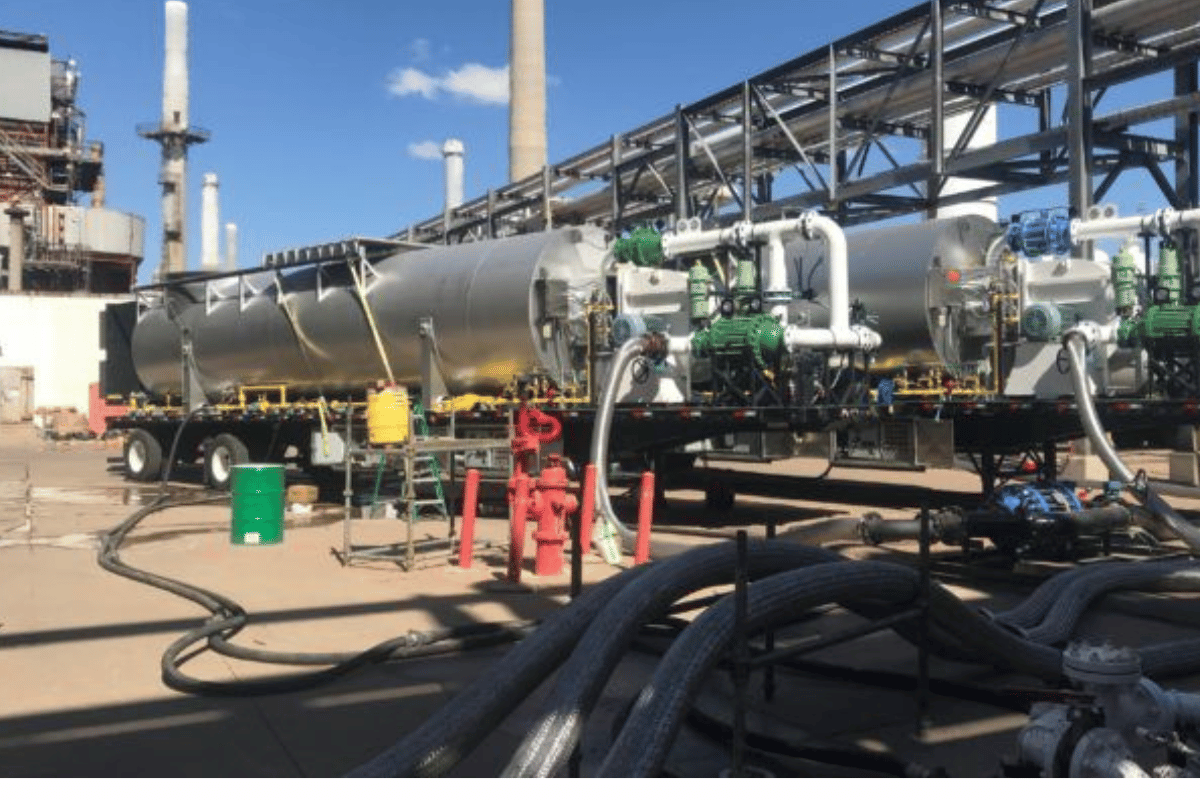
In order to come up with a plan that is strategically sound and effective for a refinery's operations, it is a must to take advantage of the newest developments in data analytics, predictive modeling, and industry-specific technologies. To illustrate, one of the benefits of tracking search engine data is that it gives the operators the ability to discover the consumer's varying interests for different categories of fuels or by-products. This, in turn, can assist in the production of different fuels or by-products according to the consumer's interests. Moreover, the data generated can also be a source of early warning for price volatility that is caused by external factors like geopolitical events or environmental policies. Therefore, if this intelligence were combined with the company's internal operational metrics, it would lead to more accurate forecasting which in turn would result in better resource allocation, higher throughput, and competitiveness in the energy market which is constantly changing.
Enhancing Productivity through Automation
Automation is the most important way of working in the modern industries that can help the companies to operate more efficiently, prevent mistakes and in the best way use the resources. With the help of automated systems and such lively data, companies can direct their questions in a critical manner, for example, "After the market change which areas of operation still need to be optimized?" Automated systems and data analysis being together, companies do not just experience an increase in productivity but are also made adaptable, thus they get ready to take up the challenges of the fast-changing world through the use of automation.
Effective Asset Management Techniques
The methods that make use of solid data management systems and predictive analytics are emphasized. In this way, it will be possible to find the bottlenecks and solve them before they become serious by monitoring continuously performance and lifecycle data of the assets. Using automation tools makes it easy to keep track of the assets and also machine learning algorithms make decision-making more effective by predicting when maintenance is needed and when resources should be allocated. These methods make it sure that the resources are not wasted and that they are used according to the changing market conditions.
Case Study Analysis

The case study not only presented but also examined the application of predictive analytics along with machine learning tools integration to the asset management process. The company was able to point out main weaknesses in their efficiency through the use of real-time performance data. The introduction of automatic tracking of the assets led to a 15% decrease in downtime while the use of machine learning-based forecasting for preventive maintenance has sown up to 20% rise in asset lifespan. The outcomes indicate the performance of data-powered approaches in resource optimization and operational efficiency enhancement.
Background of the Refinery
The refinery that is being referred to is a cutting-edge facility that is built and equipped with the best modern technological capabilities for the most efficient processing and output. The production is being monitored through the use of real-time IoT devices and machine learning algorithms that are combined with the latest industrial automation tools, thus aligning with the worldwide sustainability goals. Not only has the environment been less affected by this transition but also the energy sectors have been greatly cost-efficient, thus highlighting the role of innovation in the energy sector's competitiveness.
Steps Taken to Achieve 40% Reduction
The process of getting a 40% reduction in energy usage as claimed was not easy but rather a complete data-fired method used all along the way. A refinery was fitted with adaptive control systems, which were able to process information in real-time, thanks to the main sensors and IoT platforms in place. These systems carefully monitored and fine-tuned the operational parameters in a way that led to energy being used efficiently, still reaching high-quality output. Additionally, machine learning systems were the major ones that helped the refinery predict its energy consumption and spot the areas where power was inefficiently used, thus taking preventive measures.
In addition, some of the refinery buildings were upgraded with new electrical systems through the use of heat exchangers and variable frequency drives, which led to the overall reduction of energy loss. The application of predictive maintenance through data analysis contributed to cutting off periods of inactivity and ensuring the equipment had the best operating efficiency. These actions that were taken in spite of being in line with international standards for eco-friendliness have greatly improved the factory's technological aspect that is facilitated by modern methods, thus helping in achieving stringent energy reduction targets. Such a diverse approach not only saved the environment but also enhanced the cost-effectiveness of operations.
Results and Impact on Operations
These measures' application has resulted in the observable enhancements in the various significant operational metrics that the company had set. The great reduction of 35% in equipment downtime caused a great boost in production throughput and the company was able to maintain its critical operations uninterrupted. Besides, the refinery's energy consumption went down by about 20%, which was a major step towards the refinery's sustainability goals and also caused a great deal of support for the refinery being in line with the international energy efficiency standards. These good results were made possible as a result of being supported by the use of advanced data analytics tools, which have given the organization real-time insights that facilitated powerfully the decision making.
Key Performance Improvements
35% reduction in equipment downtime
20% decrease in energy consumption
25% lower maintenance costs through predictive systems
The aforementioned benefits of predictive maintenance systems also played a great role in the situation by controlling unexpected breakdowns in the process and overall reducing maintenance costs by 25%. This total resource optimization can be seen as the industrial management method of the future, which is very important to develop in the context of the competition in the global market. The benefits on the entire operational efficiency and the environmental performance brought forward by modern technologies and methodologies to drive innovation in traditional sectors of the industry are indeed very valuable.
Lessons Learned and Future Outlook
The analysis reveals that the use of predictive maintenance systems not only results in good benefits but also has a direct impact on the cost, improved operational efficiency, and increased resource utilization. The implementation of such tools indicates the importance of being active in risk management and downtime reduction in the industrial sector.
In the near future, the development of data analytics, machine learning, and IoT technologies would still be the driving force that will improve the predictive maintenance capabilities. The inclusion of such systems in various industries is going to be their strength, making them more adaptable and sustainable while also securing their status in the market that is changing so fast. To make the most of these systems and gain long-term success, regular investments will need to be done in technology, innovation, and human resources training.
Key Takeaways for Refiners
✓ Leverage Predictive Analytics
Refineries should take advantage of machine learning-driven advanced predictive analytics to predict the maintenance needs accurately. This not only leads to a significant decrease in unplanned outages but also improves the overall efficiency of the operations.
✓ Integration of IoT and Edge Computing
The pairing of IoT sensors and edge computing capabilities results in the real-time monitoring of the most important assets. This not only quickens the decision-making process but also ensures that the data is accurate and reliable.
✓ Focus on Sustainability
Refineries should not only incorporate predictive maintenance practices but also prioritize the environment. The use of these technologies can lead to less energy use, less waste, and less carbon emissions.
✓ Workforce Upskilling as a Strategic Imperative
It is imperative to upgrade the workforce skills and align them with the new technologies. The training programs set for predictive maintenance platforms not only increase employee productivity but also ensure that operations are carried out safely and efficiently.
The use of these strategies together allows the refiners to have strong operations, reach their sustainability targets, and be the preferred player in the market.
Future Trends in Refinery Turnarounds
Digitalization and automation will mainly steer the future directions of refinery turnarounds. The use of predictive analytics together with AI maintenance tools and constant monitoring will bring about a great reduction in downtime and better decision-making. Besides, the application of environmentally-friendly methods, like installation of efficient machines and minimizing waste, will be the norm to meet the changing regulations regarding the environment. It will also be very important to train the staff on these modern systems to ensure that the company attains operational excellence and is able to remain competitive in the industry over a long period.
Final Thoughts on Cost Reduction Strategies
Adopting a proactive and strategic approach to cost reduction will be the only way businesses will able to survive the global economic crises. Advanced technologies, process optimizations, and sustainability will be the main focuses of the coming years. Besides, it is a very smart move to reduce costs not only but also through investing in employee development and constantly improving operational practices driving innovation and staying ahead in the market.
Reference Sources
Some sources concerning enactment of refinery turnaround time reduction are listed below:
How Numaligarh Refinery Limited Reduced its Approval Cycle Time by 40%
It is a case study on Numaligarh Refinery Limited's digital transformation strategies that resulted in a 40% reduction of approval cycle time.Strategic Planning for Refinery Turnarounds
The case study presents the significance of strategic planning and scheduling among the refineries which usually commence year in advance.ATRL Initiates Refinery Turnaround, Anticipates 40% Throughput Reduction
The article talks about Attock Refinery Limited's planned turnaround for necessary maintenance and how it will affect the throughput.Company Reduces Upstream & Midstream Assets Turnaround Duration
It is a report on a company's strategy that led to a reduction of turnaround durations by 2-3 days, thereby increasing the production and revenue.
Frequently Asked Questions
What were the main strategic pillars that allowed for a 40% reduction in refinery turnaround time?
The substantial shortening of turnaround times was the result of a well-coordinated application of a multi-faceted approach that relied on three key points: proactive digital transformation, rigorous process optimization and strategic management of workforce. This transformation turned the turnaround model from a downside and event-driven operation to a data-centric, predictive and highly coordinated one. It was the synergy of new technologies and workflow optimization that resulted in this watershed moment.
How did digital transformation shorten the turnaround time?
Digital transformation was a pivotal factor. Introduced were the following key initiatives:
Digital Twin Technology
Advanced simulation and planning were done through the use of a complete digital twin of the refinery. The modeling of various work packages by the turnaround team, the potential conflicts' identification, and the sequencing alteration took place long before the shutdown started.
Centralized Digital Platform
A single digital platform was made available to everyone that contained all the data regarding the turnaround - from inspection reports and work orders to tracking progress in real time. This removed information silos and made available one source of truth for all the concerned parties.
Mobile Workforce Solutions
The field technicians and supervisors were provided with robust tablets that gave them direct access to the digital work packages, schematics, and safety procedures. Moreover, this technology facilitated instant reporting of progress and communication, which significantly diminished admin delays and travel time to and from a central command post.
What were the new process optimizations?
Process optimization was about getting rid of inefficiencies and execution quality enhancement. The following were the key initiatives:
Scope Optimization and Freezing
A tough front-end loading (FEL) process was applied, with a firm deadline for establishing the turnaround scope. This avoided scope expansion, which is one of the main reasons for schedule overruns.
Predictive Maintenance Integration
Using predictive analytics, historical data and sensor inputs were looked at to create a list of equipment that is likely to need maintenance. This meant that maintenance was to be done at the right time, thus avoiding unnecessary checks and concentrating resources on critical-path activities.
Streamlined Permitting and Safety Protocols
The permit-to-work system was digitized, which resulted in automating approvals and verifying that all safety checks were done and that they were done electronically. This allowed the work start time to be moved earlier each day while compliance was maintained.
What was the influence of workforce management on the 40% reduction?
Proper workforce management was the main contributor to the maximum output and safe execution. The groundwork comprised:
Advanced Workforce Scheduling
Crew schedules were optimized by determining task dependency, skill levels and work area density so as to avoid crew interference and ensure that the right skills were available at the right time.
Competency-Based Training
The personnel got tailored training on new digital tools and particular complex tasks they were given. For high-risk procedures, virtual reality (VR) simulations were used, making it possible for the teams to practice in a safe environment before they go to the field.
Real-Time Performance Monitoring
The digital platform in the center provided real-time dashboards displaying crew productivity, task completion rates, and upcoming bottlenecks. Therefore, bosses could make instantaneous and background information supported decisions to move around resources and solve problems before they affected the critical path.
What were the biggest hurdles to be overcome in this project?
The shift towards a digitally-driven turnaround process brought with it several obstacles:
Change Management and User Adoption: The reluctance to embrace digital tools and procedures by workers who were used to the old ways was the main challenge. This was overcome by the combination of extensive training, good communication of benefits and appointing "digital champions" among the crews to facilitate adoption.
Data Integration and Quality: Data from different legacy systems being combined into one uniform platform was a tough technical hurdle to get over. A lot of effort was spent on making sure that the data providing the information for decisions was accurate and reliable by cleaning it up, standardizing it and validating it.
Ensuring Connectivity: A strong and secure network connection throughout the whole plant was necessary for the mobile workforce solutions, which included places that are hard to get to and explosion-proof zones. This meant investing heavily in wireless industrial infrastructure.
Is this 40% period reduction applicable to other refineries?
Although the particular numerical result is context-dependent, the basic principles and strategies are very much transferable. The triumph of this project was not based on any one solution but by a comprehensive commitment to making use of data, optimizing processes, and giving employees support. Any plant that methodically adopts a strategy that incorporates digital planning tools, data-driven scope management, and modern workforce management can reasonably expect to see a significant rise in its turnaround performance, which would result in higher production uptime and substantial cost savings.