
 Chinese
Proper planning and execution are the cornerstones of any turnaround project. One of the most important factors that signals success is the comprehensive equipment checklist that accounts for every tool, machine, and resource. This authoritative guide provides a thorough roadmap for creating an effective turnaround equipment checklist—a crucial step in risk mitigation, process streamlining, and prevention of costly delays. Whether you are undergoing scheduled maintenance, equipment repairs, or operational changes, this checklist will keep operations on schedule and maximize efficiency from beginning to end.
Understanding Turnaround and Shutdown Processes
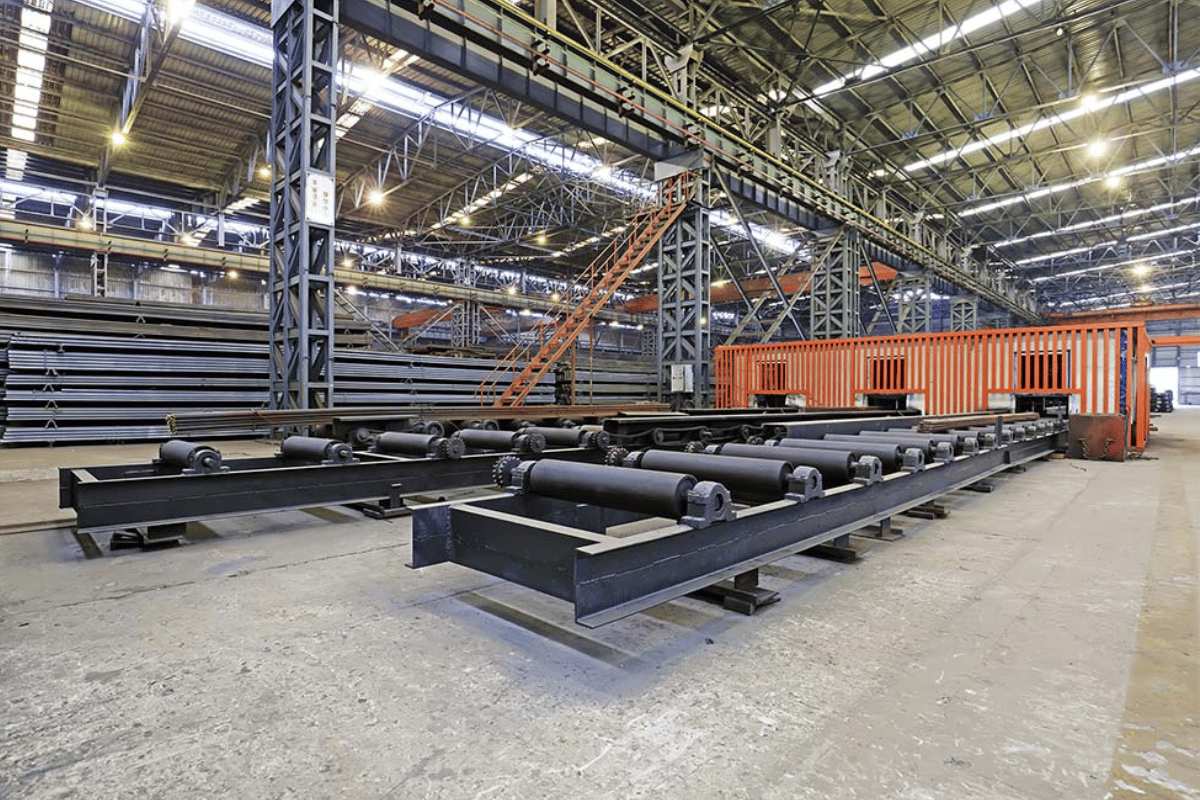
Turnaround and shutdown processes represent scheduled events involving the cessation of industrial activities for maintenance, inspections, or upgrades. These processes are vital for equipment reliability, regulatory compliance, and overall operational efficiency. A successful turnaround requires careful planning, accurate scheduling, and perfectly coordinated execution—all aimed at minimizing downtime impact and managing costs. Shutdowns are generally carried out at regular intervals determined by operational schedules or regulatory requirements, utilizing multidisciplinary teams working together to address identified maintenance or safety issues.
Definition of Turnaround and Shutdown
A turnaround refers to a temporary halt of production in an industrial facility aimed at carrying out specialized work that cannot be performed under normal operating conditions—including maintenance, inspection, or equipment upgrades. This process draws upon diverse resources from engineering, technical, and management perspectives to optimize the utilization of personnel and machinery while avoiding operational losses. Turnarounds are always planned by specialists and predetermined through maintenance periods with minimal interruption to normal production operations.
A shutdown, conversely, refers to complete or partial facility closure that can occur intentionally or unintentionally. Planned shutdowns (also called turnarounds) are driven by maintenance needs or regulatory compliance. However, incidents such as equipment breakdown and safety hazards force unplanned shutdowns, which disrupt operational flow and increase costs. Proper shutdown management is essential to reduce downtime while taking remedial action to minimize operational or safety threats.
Key Insight
Both concepts emphasize the importance of systematic planning, interdisciplinary expertise, and effective implementation while preserving long-term facility performance and condition.
Importance of Effective Planning
Effective planning lies at the heart of productive operations, enabling firms to anticipate challenges and develop strategies to accomplish projects and preventive maintenance procedures on time. Below are five critical aspects highlighting the importance of effective planning:
| Planning Benefit | Impact & Statistics |
|---|---|
| Reduction of Downtime | Unplanned downtime represents one of the greatest costs for core production industries. Careful planning significantly reduces these expenses. |
| Optimization of Resources and Costs | Research shows planned work costs 50-80% less than reactive maintenance. A systematic approach minimizes operational losses and reduces resources needed for asset repositioning. |
| Compliance and Safety Enhancements | Holistic planning incorporates safety and legislative factors, reducing workplace injuries by up to 30% while satisfying governmental and industry regulatory requirements. |
| Improved Resource Allocation | Proper planning enables optimal utilization of people, machinery, and materials. Well-executed resource planning can deliver up to 20% productivity gains in various projects. |
| Improved Long-Term Sustainability | Preventive maintenance schedules based on careful planning increase asset useful life and enhance operational readiness by 25-30%, reducing the need for frequent replacements. |
Creating a Comprehensive Turnaround Checklist

Developing a comprehensive and user-friendly turnaround equipment checklist is one of the most critical factors in any strategic initiative. The following aspects should be addressed:
Determine Turnaround Objectives and Limits: Clearly define turnaround requirements, specifying all maintenance work, mandates, or improvements to be carried out. Establish proper scope to prevent scope creep.
Task Prioritization: Arrange tasks according to urgency and importance to manage resources optimally and avoid delays in critical activities.
Resource Allocation: Assign trained and competent resources, equipment, and materials necessary for every task. Guarantee supplies in advance to avoid last-minute shortages.
Detailed Timeline: Establish start and end dates for every activity, including interdependencies and possible period extensions. Incorporate project management oversight if needed.
Risk Assessment and Mitigation: Identify potential threat levels for every scenario, including safety regulations and supply chain risks. Develop strategies to minimize these threats in advance.
Compliance Review: Verify that all plans comply with safety, environmental, and regulatory requirements to prevent negative consequences or infractions.
Communication Plan: Establish a system of communication with stakeholders from the beginning, incorporating a feedback mechanism for periodic reviews.
Post-Turnaround Assessment: Incorporate plans for post-turnaround evaluation to document activities and identify potential improvements for subsequent operations.
Essential Elements of a Turnaround Checklist
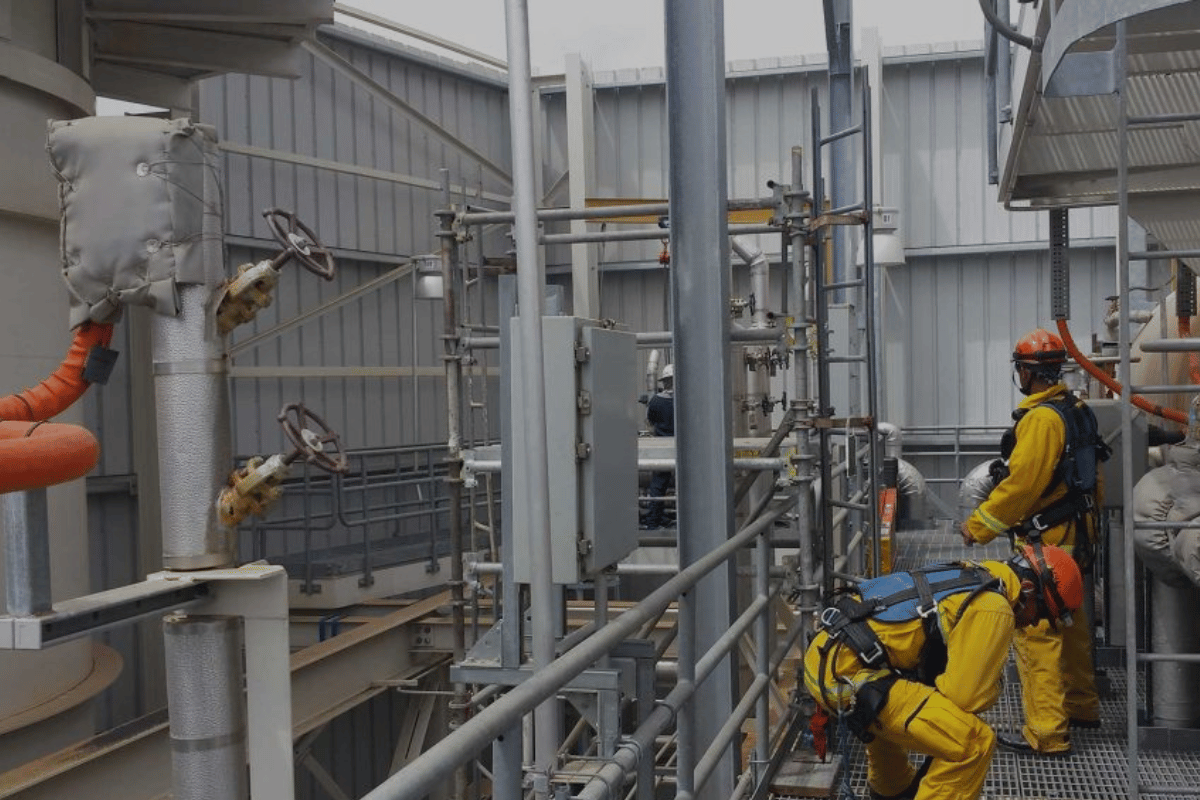
A successful turnaround process requires attention to several key areas: extensive planning, resource allocation, safety measures, and communication availability. Constant monitoring and assessment at each stage are essential, followed by post-turnaround evaluation of achieved results and lessons learned for future development.
Key Components of a Shutdown Plan
Critical Shutdown Planning Components
Pre-Shutdown Planning: Clearly state scope, prioritize tasks, and allocate resources based on criticality. Utilize contemporary project management tools for task distribution and scheduling. AI-driven predictive maintenance software systems help prevent unnecessary delays.
Safety Protocols: Conduct pertinent risk assessments, safety drills, and compliance activities within legal requirements. Digital safety checklists enhance accuracy and eliminate human errors.
Effective Communication: Implement efficient communication strategies to help teams work seamlessly. Collaborative remote working platforms provide real-time updates and issue resolution.
Monitoring and Execution: Employ dynamic monitoring systems during task execution to enable high performance tracking and quick corrective action when deviations occur.
Post-Shutdown Review: Conduct proper post-mortem analysis to reduce shutdown bottlenecks. Data analytics increasingly help assess performance indicators and reduce future shutdown timeframes.
Developing a Work Package for Outages

Adequate work package development for turnaround activities ensures reliability and prevents adverse situations. Key aspects include:
Scope of Work General indications of planned work, including machinery and systems to be addressed. This clarifies what should be accomplished and where boundaries exist.
Task Instructions Procedure manual or instruction set for every activity, including relevant safety standards and compliance requirements.
Resource Requirements Estimate workers, tools, raw materials, and machines needed on-site. Prepare contingency measures for resource shortages to prevent work stoppages.
Schedule and Milestones Plan and draw schedules with clearly outlined milestones for ease of monitoring and control of timeline factors.
Risk and Hazards Scrutinize each task to devise effective mitigation measures that minimize hazard occurrence.
Documentation Include all necessary schematics, operation manuals, and standards needed for proper execution. Adequate documentation reduces errors and uncertainties.
Incorporating Bill of Materials (BOM)

The Bill of Materials (BOM) is an essential document in product development, manufacturing, and after-sales service. It provides a thorough inventory of all parts, materials, and assemblies required to construct a product or its components. In engineering and project management, an accurate and comprehensive BOM facilitates resource planning, cost estimation, and inventory management.
Modern approaches incorporate current market information regarding availability to enhance BOM creation, preventing time waste on outdated or out-of-stock resources. Dynamic BOM organization can reduce production slack and expenses while aligning with facility action plans.
Instrumentation and Safety Considerations

Correct instrumentation and safety practices are imperative for achieving operational efficiency and workplace safety. All machinery requires frequent calibration to prevent inaccurate readings, with backup systems available when practical. Safety mechanisms including routine inspections, emergency abort systems, and adequate staff training are vital for preventing incidents and accidents.
Importance of Instrumentation in Turnarounds
Proper instrumentation facilitates easy information gathering necessary to assess system and process performance during operation. The right instrumentation minimizes process disruption, reduces downtime, improves safety, and increases productivity. Five critical reasons why proper instruments are necessary during turnarounds:
Precision in Monitoring
Good instruments offer firm indication of real equipment state, allowing wear and tear to be foreseen before failure occurs. Vibration and temperature detectors enable early maintenance detection.
Process Optimization
Flow meters, pressure gauges, and compositional analysis equipment control system analysis during shutdown stages, avoiding operational standard deterioration.
Safety Enhancements
State-of-the-art equipment like gas detectors and automatic alarm systems eliminate risks of accidental situations such as gas leaks, fires, and pressure changes.
Data-Driven Decisions
Historical device information enables pattern examination for rational repair or replacement timing decisions. Sensor data analytics push interventions to urgently required levels.
Regulatory Compliance
Latest instrumentation technology ensures functional compliance with HSE regulations, pollution standards, and EPA emission limits, minimizing administrative costs and reputation damage.
Best Practices for Safety During Shutdowns

Safety Best Practices Checklist
Perform comprehensive risk assessments to identify hazards
Ensure staff receives proper safety education and emergency training
Implement clear communication procedures with real-time updates
Verify PPE availability and proper usage by all personnel
Conduct routine checks on equipment and surroundings to manage risk
Developing a Plant Shutdown Checklist
A well-designed and complete plant shutdown checklist is effective for achieving performance goals, legal requirements, and employee protection during shutdowns. Following industry best practices and contemporary methodology, a shutdown checklist should contain these mandatory sections:
| Checklist Component | Description https://www.northcedrus.com/& Requirements |
|---|---|
| Hazard Assessment | Perform detailed analysis of all hazards that may arise during shutdown, evaluating risks associated with equipment, processes, and personnel to design specific risk interventions. |
| Shutdown Procedures | Specify and document infrastructure shutdown procedures for all major systems and processes. Include stepwise instructions on energy source isolation techniques adhering to OSHA's Lockout/Tagout (LOTO) standards. |
| Communication Strategy | Develop comprehensive dissemination strategy for shutdown timing, workflows, and health/safety issues reaching all employees through multiple communication channels. |
| Equipment Testing | Incorporate tagging and testing procedures for equipment during shutdown. Verify all equipment is dimensionally verified, operational, and suitable for reuse after remediation. |
| PPE & Safety Systems | Confirm adequacy and proper allocation of personal protective equipment (PPE) required for assignments. Ensure safety measures including fire and emergency alarms are functional and on standby. |
| Resource Deployment | Hold individuals responsible for roles of people, contractors, or vendors. Set clear timelines, prioritize tasks, and ensure resource availability. |
| Shutdown Scheduling | Make scheduling efficient to achieve minimum idle times and process interruptions. Arrange work to avoid coordination issues, resource hindrances, and non-essential challenges. |
| Regulatory Compliance | Verify that shutdown procedures comply with local, state laws, and industry standards. Facilities with radioactive materials require additional authorization for shutdown. |
Managing Change During Shutdowns
To minimize disorder and achieve management effectiveness, stakeholders must be involved in the planning process early. Structuring planning around a proven model ensures changes are properly evaluated for their potential impact. By combining each department's resources, skills, and strategies, all departments can be aligned with updated priorities and targets. Clear communication extends beyond written documentation to include procedures, tasks, and end results. Providing alternative courses of action before risks or slowdowns occur ensures shutdown time is well-utilized without compromising operational activities.
Continuous Improvement in Turnaround Operations
Maintaining momentum throughout turnaround operations and beyond is a continuous process requiring more than intermittent interventions. There's a clear need to continuously assess process effectiveness and address identified shortcomings. Post-project evaluation incorporates lessons learned into future improvement plans through feedback from shutdown projects. This ensures tools used in previous operations inform current tasks. Advanced preparation systems and real-time management tools facilitate data management for strategic planning and execution. Such an approach drives developments that deliver more effective results across all operational areas.
Strategies for Continuous Improvement
Effective continuous improvement requires establishing crystal clear key performance indicators (KPIs) and reviewing them regularly to identify shortcomings and innovation opportunities. Creating internal environments that encourage collaboration and communication activates suggestion processes for improvement. Applying lean design principles and modern solutions simplifies operations and eliminates waste. Maintaining commitment to self-improvement and staying current with new developments and industry trends ensures refreshed perspectives and innovation capacity.
Measuring Success in Turnarounds
Measuring turnaround success requires using various instruments with defined variables. Key Performance Indicators (KPIs) include metrics such as sales increases, profitability levels, turnover rates, and customer satisfaction. Attention to analytics and engagement rates helps track market demand and consumer behavior, enabling strategy refinement. Additionally, measures to improve website performance, conversions, and search engine rankings ensure adequate digital space utilization in recovery efforts. Combining both traditional and digital KPIs maintains comprehensive understanding of company performance and enables fast, flexible strategy changes to facilitate positive growth.
Frequently Asked Questions
Reference Sources
The following are authoritative references related to turnaround equipment checklists:
Turnaround Readiness Checklist: Includes planning for inventory, progress tracking, and test equipment provision as means to achieve successful turnarounds.
Turnaround Checklist by DePue Mechanical: Complimentary checklist for contractor comparison helping evaluate suppliers, detect warning signs, and prevent downtime.
STO Checklist for Success: Systematic tool ensuring all required steps are taken before, during, and after shutdown, turnaround, and outage events.
Shutdown Checklist by Brehob: Plant shutdown checklist based on extensive experience in planning and executing turnarounds.
10 Critical Steps to Ensure a Successful Turnaround: Provides accounts of strategic planning, accurate budgeting, and partner selection as main factors of successful turnarounds.
Recommend reading: Bundle Puller & Bundle Extractor Equipments
Ready to Optimize Your Turnaround Process?
A comprehensive turnaround equipment checklist is your foundation for successful project execution. By following the strategies and best practices outlined in this guide, you'll minimize downtime, enhance safety, and ensure regulatory compliance while controlling costs effectively.