
 Chinese
The acquisition of industrial equipment represents a critical decision requiring detailed analysis and strategic planning. Bundle extractors stand as prominent tools in the industrial sector, specifically designed to optimize logistics, manufacturing, and storage efficiency. However, the initial purchase price fails to reveal the complete monetary implications. Evaluating the Total Cost of Ownership (TCO) becomes essential for determining the true value of this investment.This comprehensive analysis identifies and examines the primary drivers of TCO for bundle extractors, including purchase price, maintenance requirements, power consumption, and productivity metrics. Through thorough investigation, decision-makers gain the insights necessary to make choices that align with budgetary constraints while supporting long-term operational objectives. Whether considering technology upgrades or seeking to improve current asset management practices, this analysis provides essential context and practical knowledge.
Introduction to Bundle Extraction
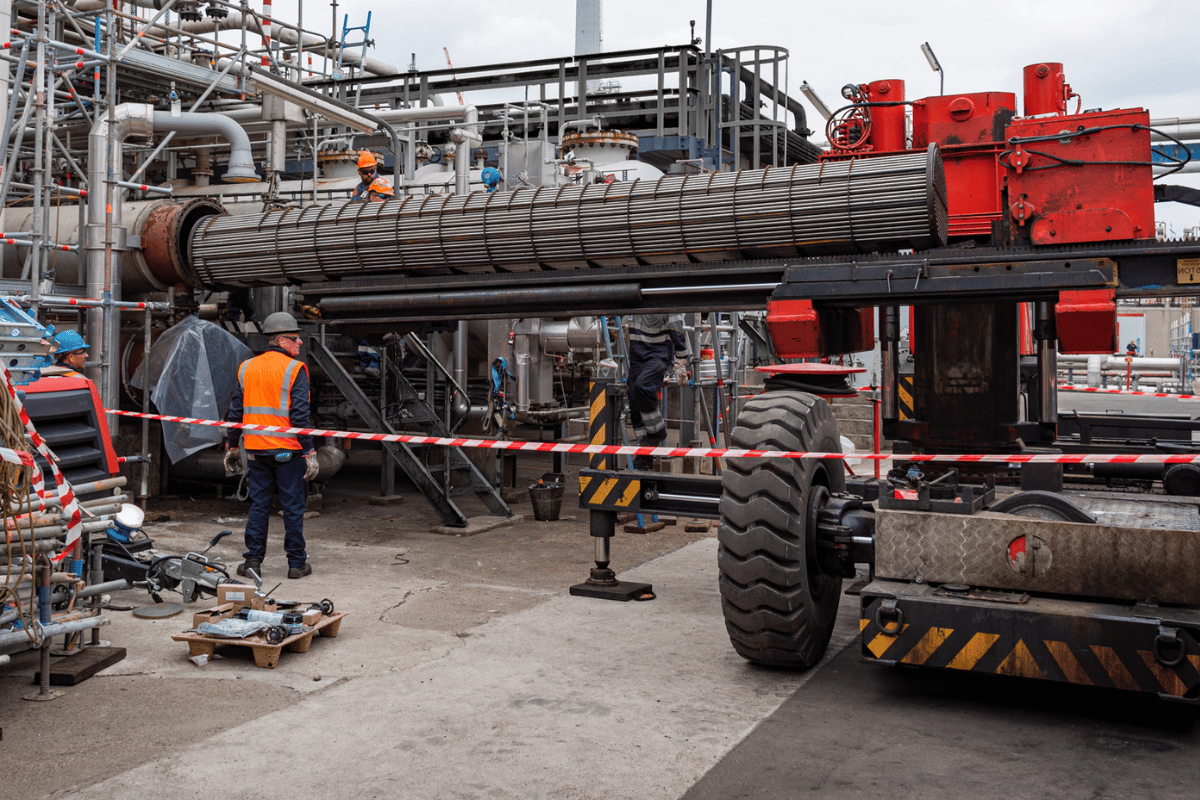
Bundle extraction represents a systematic procedure for separating and removing materials or components that have been grouped together from larger systems or structures. This technique enjoys widespread acceptance across various industries including manufacturing, construction, and logistics, primarily due to its ability to streamline processes and enhance operational efficiency. The fundamental objective centers on automating the handling of bundled items, thereby reducing manual labor requirements while maintaining minimal error rates. Organizations implementing this strategy benefit from producing high-quality products without encountering delays, inaccuracies, or resource wastage.
What is a Bundle Extractor?
A bundle extractor constitutes sophisticated equipment that automatically sorts or processes bundles with exceptional precision and organization. These systems utilize cutting-edge technologies including robotics, machine vision, and artificial intelligence (AI) to identify, manipulate, and carefully extract individual pieces from larger masses. Bundle extractors find extensive application across packaging, shipping, and manufacturing sectors where high-volume operations demand speed, consistency, and accuracy. These extractors employ advanced algorithms to analyze and characterize bundles, enabling adaptation to various item shapes, sizes, and configurations, which facilitates seamless integration into diverse workflows. Modern bundle extractors continuously improve through data utilization and machine learning to optimize performance, minimize downtime, and enhance overall process efficiency. Beyond these advantages, the systems contribute to operational cost reduction, productivity improvement, and adherence to stringent quality control standards in production facilities operating under demanding conditions.
Importance of Bundle Extraction in Heat Exchanger Maintenance
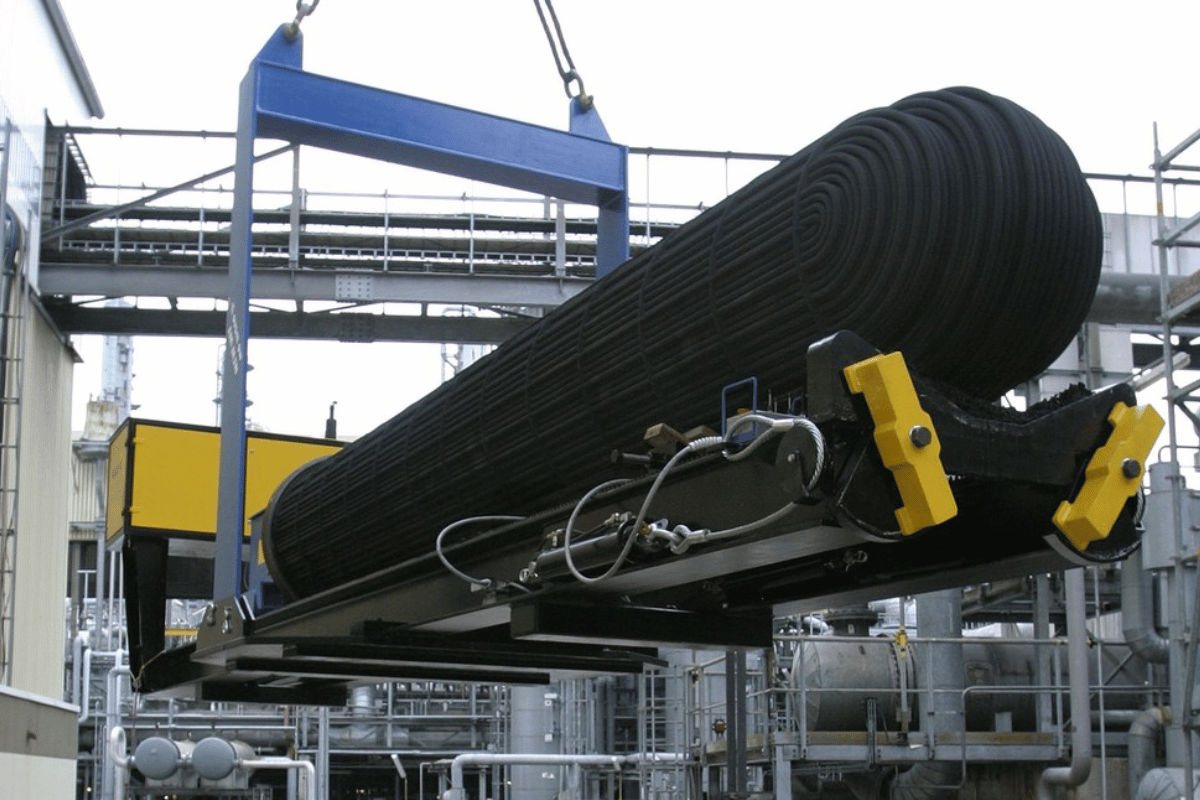
Bundle extraction serves as a vital procedure in heat exchanger maintenance, ensuring optimal performance, extended lifecycle, and energy-efficient system operation. Proper extraction and inspection of tube bundles delivers substantial advantages. The following five critical reasons underscore the necessity of bundle extraction in heat exchanger maintenance:
1. Fouling and Deposits Identification
Gradual accumulation of deposits such as scale, sludge, or biofouling within heat exchanger pipes significantly impacts thermal performance. Professional bundle removal facilitates meticulous inspection of all deposits, enabling thorough cleaning and restoration of the heat exchanger's optimal performance capabilities.
2. Corrosion Control
Heat exchangers frequently experience premature failure due to corrosion. Bundle removal during routine maintenance enables technicians to identify early signs of pitting, crevice formation, or material degradation, allowing implementation of damage control measures before deterioration progresses.
3. Energy Efficiency Enhancement
Fouled or corroded heat exchangers require increased energy input to achieve efficient heat transfer. Periodic bundle extraction ensures timely cleaning and repairs, reducing energy waste and associated operational costs.
4. Regulatory Compliance
Multiple industries, including pharmaceutical and food production, operate under strict regulatory standards concerning equipment maintenance and performance, particularly where heat exchangers prove crucial to processes. Bundle extraction facilitates comprehensive assessment and documentation, ensuring regulatory compliance.
5. Equipment Lifespan Extension
Regular bundle extraction combined with proper maintenance minimizes wear and tear, prolonging heat exchanger operational life. This approach reduces replacement frequency, generating long-term cost savings and enhancing industrial process reliability.
Overview of Aerial Bundle Extractors
Aerial bundle extractors constitute sophisticated mechanical systems designed to facilitate extraction and installation of tube bundles within heat exchangers across industrial environments. These heavy-duty machines deliver precision, safety, and efficiency during maintenance or inspection operations. Utilizing hydraulic power and advanced control methodologies, aerial bundle extractors minimize structural impact on equipment while significantly reducing labor requirements and downtime, establishing their necessity in contemporary industrial maintenance practices.
Market Trends in Bundle Extraction
The bundle extraction market experiences steady expansion driven by increasing demand for efficient maintenance solutions within oil and gas, petrochemical, and power generation sectors. Primary trends emphasize automation adoption aimed at improving safety and precision while reducing operational downtime. Manufacturers increasingly embrace eco-friendly practices to ensure regulatory compliance, investing in lightweight and portable designs suitable for restricted workspace conditions. Advanced technology adoption reflects industry commitment to innovation meeting evolving operational and regulatory demands.
Current Market Report for Bundle Extractors
Presently, the bundle extractor market demonstrates continuous growth propelled by improvements in design and operational efficiency. Automated technology implementation has enhanced accuracy while reducing error rates and increasing reliability. Additionally, substantial market demand exists for lightweight and portable models designed for sectors with limited space and high mobility requirements. Eco-friendly innovations such as energy-efficient components and recyclable materials have become standard practice due to stricter environmental regulations. These trends signal industry movement toward enhanced productivity while maintaining environmental responsibility.
Growth Trends in Aerial Bundle Extraction
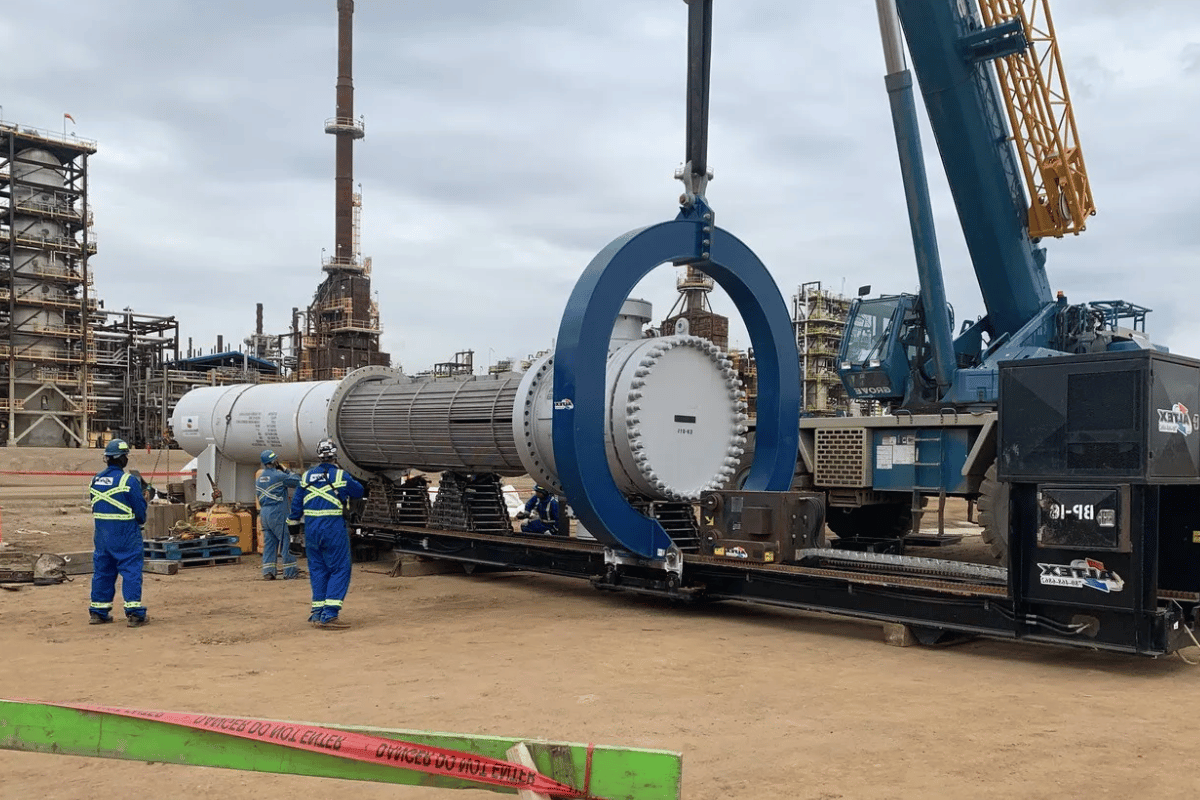
The aerial bundle extraction industry has undergone significant transformation, experiencing notable improvements and growth trends primarily driven by demands for efficiency, cost-effectiveness, and environmental compliance. The following five trends will determine the industry's future:
1. Automated Systems and Robotics
Advanced automated systems and robotics deliver numerous benefits including enhanced accuracy and reduced non-productive time. These technologies accelerate extraction processes while minimizing human error, thereby boosting output and overall efficiency.
2. Energy-Efficient Machinery
Global environmental regulations pressure has positioned energy-efficient equipment at the forefront of industry priorities. Modern machines consume minimal energy while maintaining high-volume, quality output, reducing both operational costs and carbon footprint.
3. Compact and Modular Designs
Industry adoption of compact and modular machinery designs facilitates easier transportation and installation in isolated or space-limited areas. This trend proves particularly valuable in urban environments where operations frequently face resource constraints.
4. Data-Driven Optimization
Internet of Things (IoT) integration coupled with AI-powered analytics enables continuous monitoring and real-time manufacturing process improvement. Modern technologies generate valuable insights into machine performance, facilitating better decision-making and preventive maintenance that reduces unplanned breakdown risks.
5. Enhanced Safety Features
Plant managers utilize combinations of cutting-edge safety features such as automatic shutdowns, fail-safe systems, and user-friendly interfaces to meet stringent safety regulations. These systems protect operators while maintaining reliable operation under demanding conditions.
These trends demonstrate the aerial bundle extraction industry's dramatic evolution, highlighting the integration of innovation, environmental consciousness, and operational effectiveness.
Competitive Landscape for Tube Bundle Extractors
The evolving competitive landscape of tube bundle extractors reflects technological advancement influence, varied cross-sector applications, and growing operational efficiency demands. Recent market reports and expert analyses identify Atlas Copco, Elliott Group, and Hydratight as key market players, distinguished by extensive product ranges and global presence. Market entrants pursue attention through niche innovations, including lightweight components and modular designs.
Additionally, Industry 4.0 technology adoption, particularly Internet of Things (IoT)-based monitoring and predictive maintenance, has emerged as a significant competitive differentiator. These capabilities enable users to instantly verify performance, reduce outages, and improve lifecycle management. Companies investing in these technologies not only establish competitive advantages but also align with industrial sectors increasingly prioritizing digital transformation.
Total Cost of Ownership for Bundle Extractors
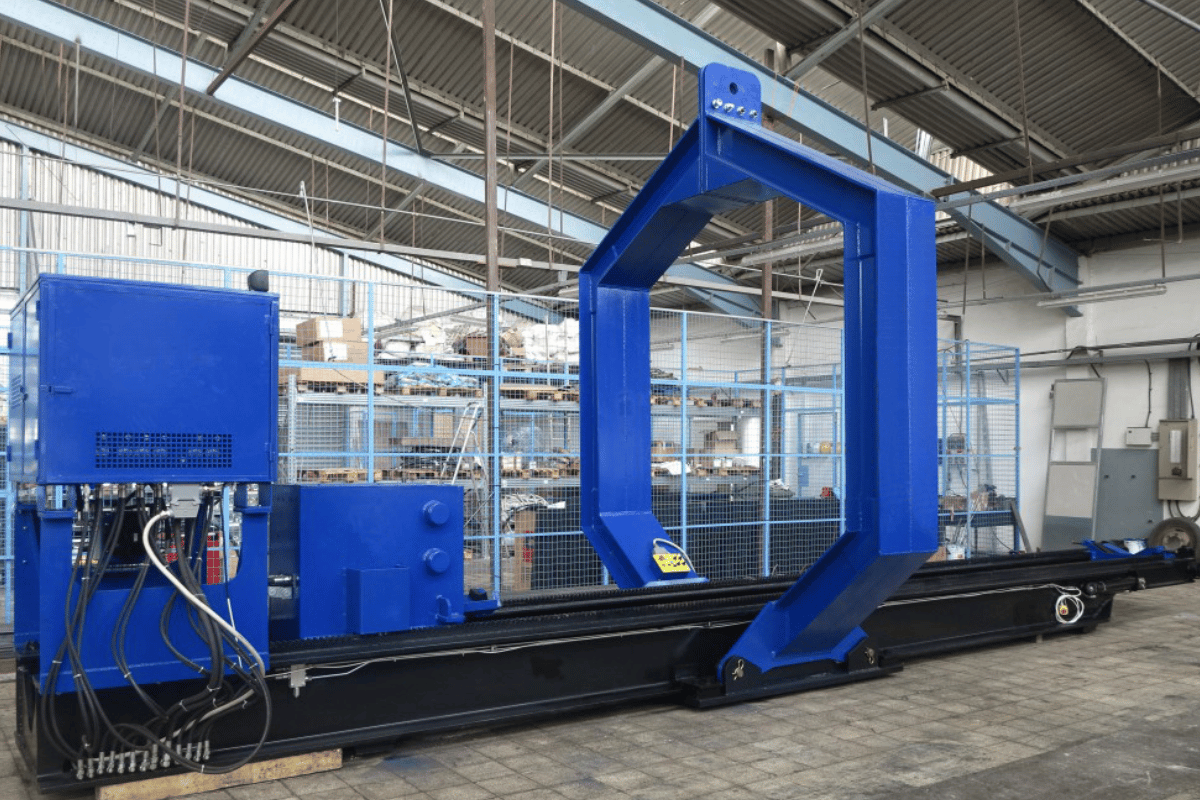
Evaluating Total Cost of Ownership (TCO) for bundle extractors requires examining direct and indirect expenses throughout the equipment's lifespan. Direct costs encompass initial purchase price, installation charges, and ongoing maintenance and repair expenditures. Indirect costs include energy consumption, operational downtime from inefficiencies, and staff training necessary for effective equipment utilization.
Recent reports emphasize energy efficiency's significance in reducing operational costs, as contemporary bundle extractors with energy-saving technology substantially decrease power consumption compared to previous models. Additionally, predictive maintenance systems typically integrated with modern extractors prevent unexpected breakdowns, eliminating downtime and repair costs.
Organizations should incorporate depreciation and expected equipment life while clarifying long-term value and return on investment. Companies are advised to address these issues separately while utilizing real-time performance monitoring tools to optimize TCO and achieve superior operational efficiency.
ROI Analysis of Aerial Bundle Extractors
Assessing return on investment (ROI) for aerial bundle extractors involves examining several critical factors. Initially, comparison between initial capital investment and long-term operational cost savings these machines generate proves essential. Savings typically derive from reduced labor requirements, accelerated bundle handling, and decreased operational downtime.
Key ROI Factors
Durability and Reliability: Modern aerial bundle extractors generally incur lower repair and maintenance costs due to enhanced design quality
Productivity Enhancement: Shorter cycle times and increased capacity significantly impact overall production process efficiency
Energy Efficiency: Modern systems consume less power, further reducing operating costs
Residual Value: Equipment lifetime and residual value contribute to overall investment returns
Organizations incorporating aerial bundle extractors into operations can anticipate significant ROI by translating these benefits into monetary value alongside equipment lifetime and residual value considerations. Regular performance evaluations compared against key benchmarks maintain profitability over time.
Long-term Value of Investing in Heat Exchanger Maintenance
Investing in heat exchanger maintenance provides companies with appropriate methods for long-term asset valuation. This ensures uninterrupted plant operations, reducing breakdown probability and extending equipment longevity. Routine heat exchanger cleaning and close monitoring in industrial applications prevents corrosion, contamination, and scaling. Studies demonstrate that minimal fouling layers can increase energy consumption up to 10%, elevating operational costs. However, proactive heat exchanger maintenance approaches avoid such problems, stabilize thermal performance, and potentially extend operational life beyond expectations.
Furthermore, predictive maintenance technologies employing advanced analytics and real-time monitoring play crucial roles in decreasing unforeseen breakdown probability. Utilizing techniques including non-invasive testing and thermal imaging, operators identify wear or damage signs without halting production processes. Industrial preventive maintenance trend data indicates growing awareness of economic and environmental advantages associated with such methods. Therefore, heat exchanger maintenance adoption enables energy conservation and compliance with emission and efficiency regulations, ultimately supporting sustainable business profitability.
Long-term Benefits of Bundle Extraction Investments
Tube extraction in heat exchangers, representing a maintenance procedure between minor and major operations, delivers long-term organizational benefits through operational efficiency and financial gains. The following five critical benefits highlight this essential maintenance process:
1. Heat Transfer Efficiency Improvement
Periodic bundle removal eliminates fouling and deposit buildup within heat exchanger tubes, substantially increasing heat transfer efficiency. Experimental findings demonstrate clean exchangers can deliver up to 30% enhanced thermal performance, enabling systems to operate at full capability.
2. Enhanced Equipment Life
Bundle extraction processes eliminate deposits causing corrosion and material degradation, extending heat exchanger lifespan. This results in fewer equipment replacements and gradually diminishing capital investment requirements for new units, generating significant long-term cost savings.
3. Decreased Energy Consumption
Clean, properly maintained exchangers require minimal energy to deliver required thermal output. Fouling removal during bundle extraction processes may directly reduce energy bills by 10-20%, indirectly lowering operating costs.
4. Compliance with Environmental and Industry Regulations
Regular maintenance and bundle extraction maintain system compliance with environmental regulation limits concerning emissions and energy efficiency. Adhering to standards including ASME and ISO prevents legal fines and reputation damage.
5. Lower Risk of Unplanned Downtime
Well-timed bundle extractions reveal potential failures before developing into major issues. Consequently, industries reduce risks while maximizing benefits through uninterrupted production without incurring unscheduled downtime costs.
Bundle extraction as a preventive measure not only delivers immediate benefits but also supports productivity and strategic alignment with growth objectives.
Frequently Asked Questions
What are the primary cost factors to consider when investing in a bundle extractor?
The major cost factor involves the initial purchase, varying by extractor type (truck-mounted, self-propelled, crane-lifted), performance specifications, and integrated technology. Beyond initial price, consider operator training and certification costs, mobilization and transport to job sites, routine and preventive maintenance, spare parts inventory, and insurance requirements within comprehensive investment analysis.
How is the Return on Investment (ROI) calculated for a bundle extractor?
Bundle extractor ROI derives from balancing total ownership costs against generated benefits. Positive effects include eliminated or drastically reduced third-party service provider costs for extraction jobs. Additionally, diminished project delays and heat exchanger asset protection represent increased operational time and returns. Assessment must measure these savings and efficiencies across the asset's entire life against total costs.
What are the typical maintenance expenses associated with owning a bundle extractor?
Maintenance expenses encompass numerous costs including scheduled preventive maintenance, unscheduled repairs, and component replacements. Preventive maintenance areas cover hydraulic system servicing (fluid, filter, and hose inspection), engine maintenance (for self-propelled or truck-mounted units), and lift component certification. Robust preventive maintenance programs consistent with safety requirements help reduce costly breakdowns while maintaining equipment safety. These costs should be accounted for in long-term operational budgets.
How does owning a bundle extractor improve operational efficiency?
Ownership provides direct maintenance scheduling control, eliminating third-party dependency. This significantly reduces downtime from waiting on service providers, establishing foundations for quick, efficient turnaround and shutdown planning. Additionally, on-site maintenance crews perform extraction operations without delay, optimizing labor utilization and streamlining the complete maintenance workflow from extraction through cleaning to re-installation.
What are the quantifiable safety benefits of investing in a bundle extractor?
Modern bundle extractor investment represents safety improvement over traditional or improvised extraction methods. These machines provide heavy load operation accuracy, diminishing accidental load movement or dropping probability. This approach reduces worker presence in heavy lifting and rigging areas. Safety benefits quantification includes reduced incident rates, decreased insurance premiums (EMR), and particularly reduced failure risks causing injury and asset destruction.
What constitutes the long-term value of a bundle extractor investment?
Long-term value extends beyond immediate ROI, encompassing asset strengthening through non-damaging maintenance, thereby prolonging critical heat exchanger life. This aligns with company growth and maintenance workforce knowledge and independence development. Furthermore, this machinery presents opportunities for improved positioning guaranteeing plant readiness and operational strength without external contractor support requirements in production and maintenance pipelines, representing major factors in long-range production and maintenance strategy.
Reference Sources
What is a Bundle Extractor? Boosting Efficiency in Heat Exchanger Maintenance - Examines advantages of hiring bundle extractor services including increased safety and enhanced operational efficiency.
Bundle Puller Price Analysis: Factors Affecting Price and Purchasing Suggestions - Analyzes factors determining bundle puller costs and provides buying advice.
Aerial Bundle Extractors (ABE) - Describes efficiency, reliability, and safety aspects of optimal bundle extraction equipment.