
 Chinese
Selecting a bundle extractor when dealing with textiles, industrial materials, or other bundled products can change your operations remarkably in terms of effectiveness and efficiency. However, various bundle extractors differ quality-wise, and a wrong selection may lead to wasted time, low productivity, or extra costs. The first step to prevent such unfavorable situations is to make proper inquiries before renting.
Understanding the Rental Process
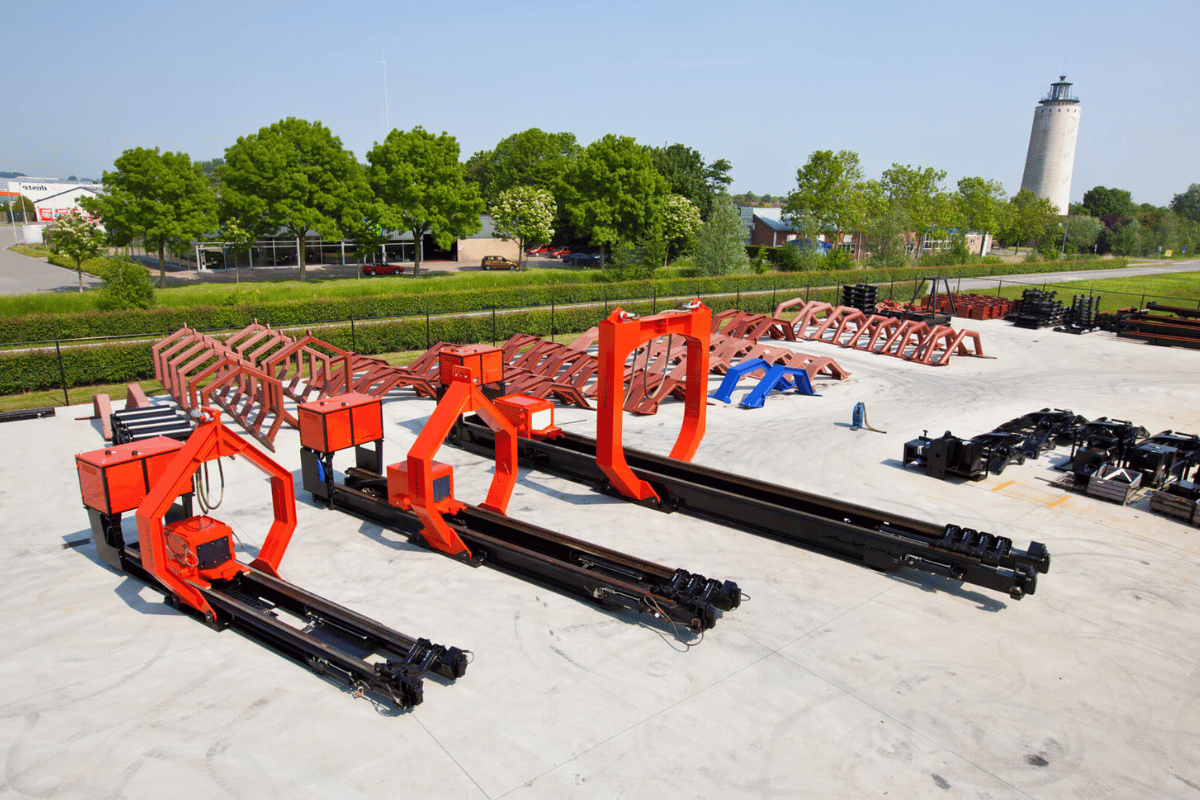
To make the bundle extractor rental great for your equipment needs, first determine the exact requirements of your project such as the material type, load distribution capacity, and the location of installation. Contact reputable rental firms and gather reliable information about availability, pricing, and features of the equipment, including any additional costs that may occur, such as transportation or maintenance charges.
Important: Carefully read the rental agreement and check the parts that discuss damage liability, restrictions on use, and return policies. Before signing the lease, confirm the equipment's condition with a pre-rental inspection and proper documentation. If you apply these measures, you will minimize the risks involved and maximize your rental investment return.
Key Questions to Ask Rental Companies
What Does the Rent Cover?
Understanding what the rent includes is of utmost importance. Does it consist of more than the basic rental, such as delivery, installation, or insurance in the price? Clear and detailed communication on cost breakdowns is ranked very high as a customer satisfaction influencer. Confirm that the rental dealership gives you an itemized bill listing all charges, including taxes and surcharges, to prevent any surprise costs.
What Is the Policy Covering Damage Liability?
Always question how much you are responsible for if the rented equipment is accidentally damaged. Some firms have clauses where they provide damage waivers or rental insurance, while others do not. Research indicates that insurance-related queries are among the top searched topics by people looking to rent equipment, which means that consumers have this issue as a common concern.
What Are the Duties Regarding Maintenance?
Find out if the rental company wants you to carry out maintenance during the hire term. Industrial machines frequently need minor operations like refilling and greasing. Understanding these expectations upfront prevents operational disruptions and potential disputes.
What Is the Company's Return Policy Like?
Flexibility allowing for schedule changes is a crucial factor in most rental scenarios since projects might face unpredictable delays. Many people when searching for rental services tend to lean towards companies that extend rental periods without steep penalties. Be sure to check whether the company allows schedule changes and what the conditions are.
How Is the Condition of the Equipment Verified Before and After the Rental?
One major issue for renters is avoiding headaches connected with disputes over damages that already existed and were not reported. Reputable companies will typically conduct documented inspections before and after rental of the equipment. This protects both parties and establishes clear accountability.
Key Insight
Through these targeted questions, you can not only make informed decisions but also lessen potential risks and ensure that your rental aligns with your expectations and budget.
Importance of a Rental Agreement
The rental agreement is a crucial document that serves as the foundation for all rental transactions and provides a legal and clear outline of the rights and duties of both parties. Below are five main points that discuss the importance of a rental agreement:
1. Defining Terms and Conditions
The contract specifies clearly the conditions of use, payment schedules, and the length of the leasing period, thus doing away with doubt for both renters and providers. Leasing industry statistics report that disputes arising from vague terms lead to approximately 22% of all rental conflicts.
2. Liability and Damage Responsibility
A legally binding rental agreement gives a clear indication of which party will incur loss or damage to the rental property or equipment. When responsibilities are known beforehand and inspection rules are established, disputes can be reduced and controlled.
3. Legal Protection for Both Parties
The rental agreement is an enforceable legal document that affords protection if one party violates the contract. Industry reports reveal that renters who have a formal agreement are 35% less likely to encounter legal disputes.
4. Determining Deposit Policies
The contract includes stipulations for the deposit, conditions under which refunds occur, and instances when deductions might be made. Having a clear and open policy regarding deposits can drastically cut down disputes; a 2022 survey found that 41% of rental complaints were due to unsatisfactory deposit policies.
5. Compliance with Local Regulations
A rental agreement guarantees that every local statute and regulation is adhered to, including zoning, safety, and insurance matters. It has been established that 18% of rental cases subjected to regulatory challenges result from improper documentation.
Payment Terms and Conditions
When determining payment terms and conditions, ensure they are transparent and fully compliant with applicable laws and regulations. The following elements should be clearly outlined:
Exact Rent Price: The precise rental amount with no hidden charges
Payment Dates: Specific due dates for all rental payments
Accepted Payment Modes: All acceptable forms of payment (credit card, check, transfer, etc.)
Late Payment Fees: Any charges or penalties for late or non-payment
Security Deposit Terms: Amount demanded, usage conditions, and return timeline
Types of Bundle Extractors Available
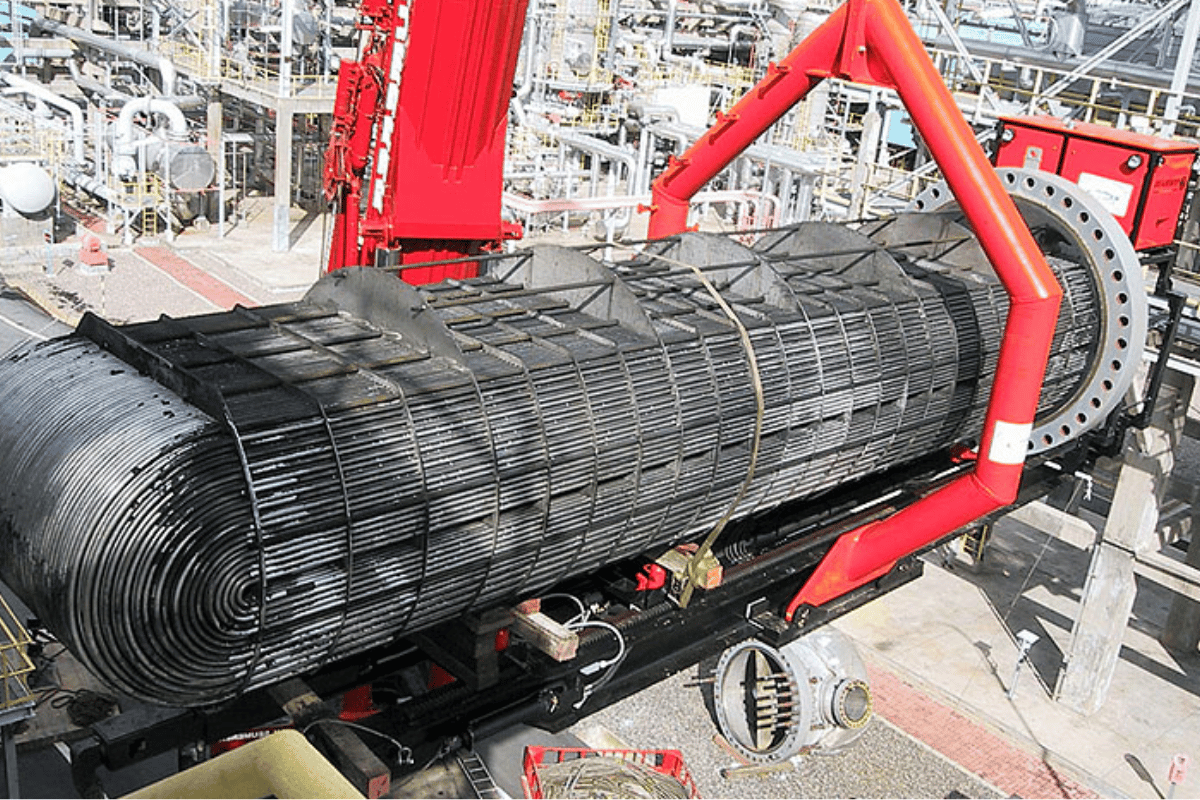
Understanding the different types of bundle extractors existing in the market is a crucial phase when making a selection. This ensures the equipment will operate effectively under specified conditions. Below is a comprehensive overview of the five most commonly found types:
| Type | Key Features | Best Applications |
|---|---|---|
| Hydraulic Bundle Extractors | Hydraulic power enables removal of heat exchanger bundles with huge force; accurate control and reliable performance | Large industrial plants, heavy-duty applications |
| Mechanical Bundle Extractors | Manual or mechanical leverage systems; less powerful but efficient; least expensive option; simpler maintenance | Small facilities, budget-conscious operations |
| Self-Propelled Bundle Extractors | Motorized drives for easy transportation and positioning; high automation; reduced manual labor | Larger plants requiring frequent equipment relocation |
| Truck-Mounted Bundle Extractors | Enhanced mobility across extensive industrial areas; capability for remote operations | Large refineries, power plants with distant bundle locations |
| Pneumatic Bundle Extractors | Powered by compressed air; generates sufficient force for bundle disconnection; no hydraulic fluids required | Food or pharmaceutical industries where cleanliness is critical |
The selection of the suitable model hinges on different factors such as the scale of operation, environmental conditions, and the frequency of maintenance required.
Attachments and Accessories
Bundle extractor equipment functionality can be enhanced and adapted through various accessories and attachments for different operational scenarios. Available options include:
Specialized Clamps
Made for securely holding bundles during extraction operations
Extension Arms
Used for increasing reach in challenging access situations
Modular Base Plates
Provide stability during operation on various surfaces
Advanced Control Systems
Increase production efficiency and precision control
Custom-Made Adaptors
Fit specific application requirements and unique configurations
Safety Features to Consider
When evaluating safety features of operational equipment, it is vital that compliance with authorities is assured and risk-reducing technologies are adopted. Safety features of utmost importance include:
Overload Protection Devices: Stop equipment malfunction whenever it attempts to exceed its capacity
Emergency Stop Equipment: Enable instant cessation of operations during critical situations
Interlock Systems: Cut off power to equipment when positioned in an unsafe condition
Proximity Sensors: Monitor and respond to incidents in complex operational areas
Pressure-Sensitive Safety Mats: Increase operator safety by detecting unauthorized presence
This combination of features not only lessens the danger of operator injury to a great extent but also guarantees conformity with regulations, thus increasing overall system reliability.
Logistics of Renting Heavy Equipment
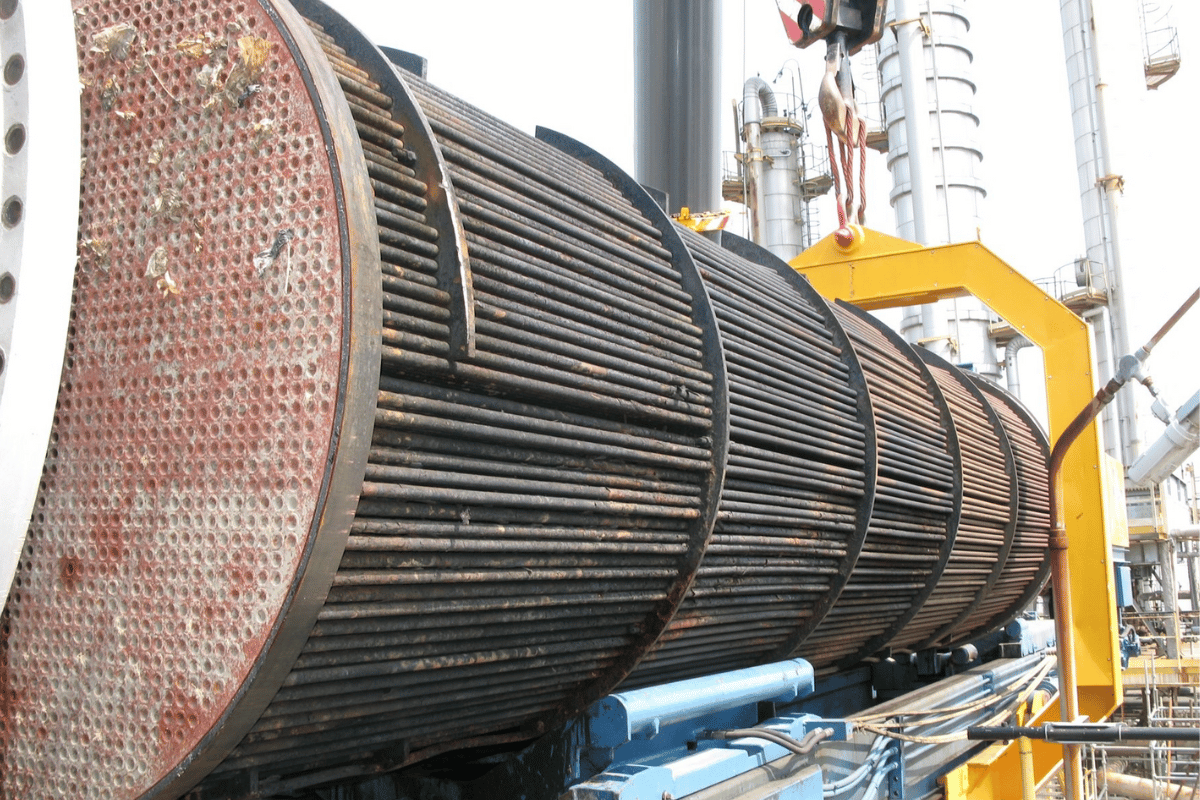
Heavy equipment rental is a procedure with various steps, each critical to ensuring projects are completed efficiently and cost-effectively:
Step 1: Assess Project Requirements
Determine the type and quantity of equipment the project requires, considering material specifications and operational demands.
Step 2: Conduct Market Research
Identify the best rental companies recognized for quality equipment and reasonable rental terms.
Step 3: Confirm Availability
Verify equipment availability for specified dates and discuss delivery and pickup logistics.
Step 4: Scrutinize Rental Agreement
Pay particular attention to pricing, insurance, and potential penalties for damage or late returns.
Step 5: Arrange Ongoing Communication
Maintain prompt communication with the rental provider to verify delivery schedules and support availability.
Delivery and Pickup Arrangements
To ensure everything proceeds without a hitch, discuss delivery and pickup details with the supplier well in advance. Consider the following best practices:
✓ Check if the rental company offers free delivery and pickup or charges extra for these services
✓ Provide accurate site information and designate a contact person for the agreed dates
✓ If transporting equipment yourself, ensure proper care and secure storage during transit
✓ Always photograph the equipment's condition at delivery and return to avoid disputes
Handling Equipment Safely
Safe handling of equipment requires using correct techniques and following the newest safety regulations:
Essential Safety Practices
| Practice | Description |
|---|---|
| Personnel Training | Grant permissions only after formal training and equipment-specific refresher courses |
| Pre-Use Inspections | Inspect for wear, damage, or mechanical failure before every use (prevents 65% efficiency loss) |
| Personal Protective Equipment | Include gloves, helmets, safety glasses, and steel-toed boots depending on job nature |
| Manual Handling Techniques | Use proper methods when transporting or lifting to avoid injury or damage |
| Regulatory Compliance | Ensure adherence to OSHA and local safety regulations for hazardous operations |
The industry trend is moving towards digitalized tracking systems that log and monitor equipment condition and use, helping reduce risk and increase accountability during operations.
Improving Efficiency with the Right Equipment
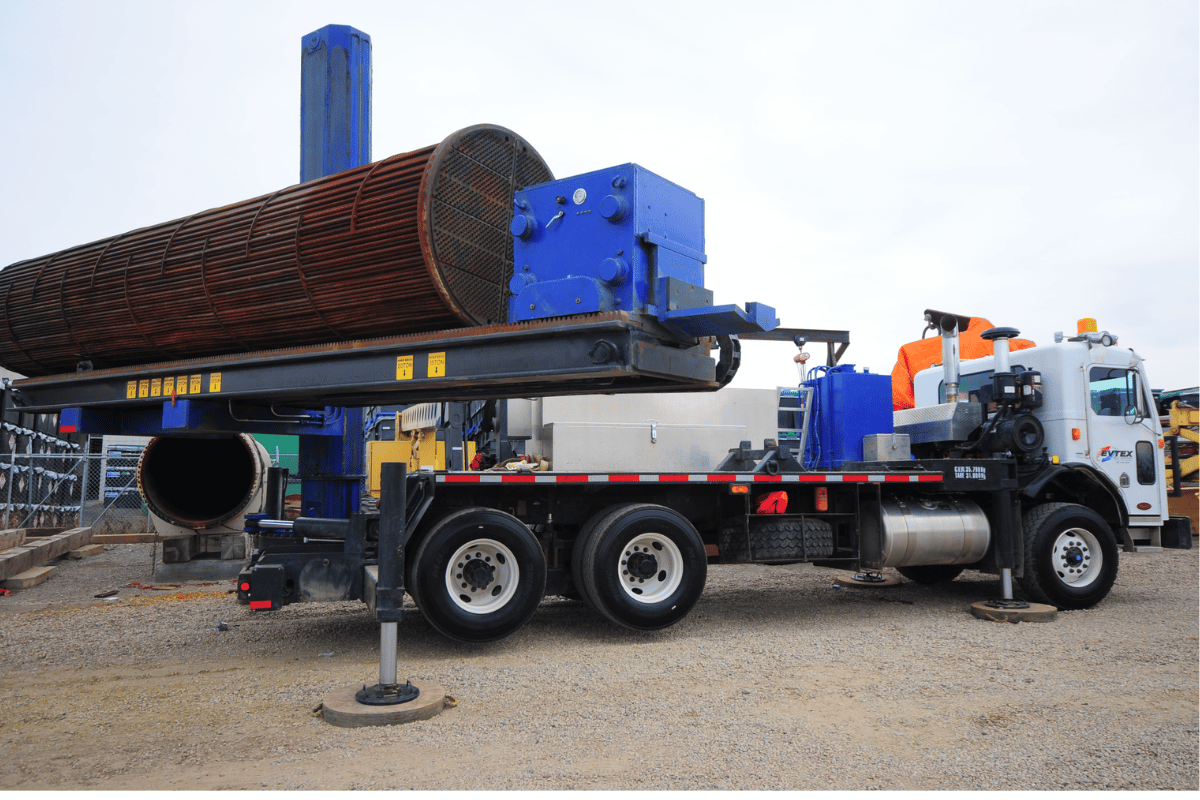
Getting the right tools for the job can greatly improve efficiency in any operation. Follow this systematic approach:
Assess Suitability
Check equipment suitability considering scalability, user-friendliness, and energy-saving features
Compare Costs
Compare initial purchase prices and ongoing operational costs to calculate total equipment worth
Verify Reliability
Assess through customer opinions, performance statistics, and manufacturer guarantees
Choose Reputable Brands
Select devices from brands with proven track records of durability and customer support
Establish Maintenance
Set up regular maintenance routines to minimize downtime and prolong equipment life
Consider Automation
Explore automated solutions to eliminate repetitive tasks and improve productivity
Post-Rental Considerations
When the equipment rental period concludes, several important steps ensure a smooth return process and inform future rental decisions:
Conduct a detailed inspection of all items to identify any signs of wear, damage, or missing parts
Verify cleaning requirements specified in the rental contract to avoid additional charges
Ensure all paperwork such as receipts or condition reports is complete and kept for future reference
Evaluate rental costs alongside value received to determine cost-efficiency of future rentals versus purchasing
Maintain good communication with the rental company to facilitate the return process and address unresolved issues
Maintenance and Service Support
Key Statistics: Consumers choose rental providers based on post-rental support at a rate of approximately 88%, highlighting the critical need for transparent and trustworthy maintenance services.
Effective maintenance and service support are essential for the long-term functioning and dependability of rented equipment. Consider these critical elements:
Preventative Maintenance Schedules
Manufacturer recommendations should clearly state and align with preventative maintenance schedules to minimize downtime and prolong the lifecycle of rented assets.
Service-Level Agreements (SLAs)
SLAs should define response times, repair protocols, and detailed escalation processes for addressing issues promptly and maintaining operational continuity.
Digital Monitoring Tools
Utilizing IoT-enabled monitoring systems makes it possible to detect and resolve potentially preventable mechanical failures before they occur, significantly reducing unexpected downtime.
Historical Service Records
Comprehensive historical service records should be required from both provider and renter as a means of ensuring accountability and appropriate equipment usage.
Questions to Ask Before Returning Equipment
Answering these questions helps renters stay in compliance with agreements and upholds trust with rental providers:
| Question | Why It Matters |
|---|---|
| Has the equipment been cleaned and inspected? | Proper condition verification prevents extra charges and maintains equipment reliability |
| Have you tested the equipment for functionality? | Operational verification uncovers malfunctions and prevents performance disputes |
| Is the rental agreement or checklist complete? | Cross-checking confirms all borrowed items are returned, avoiding extra costs |
| Are there damages beyond normal wear? | Documenting issues with photos protects against disputed damage charges |
| Have you reviewed the return policy and timeline? | Awareness of deadlines prevents late fees and ensures compliance with rental terms |
Frequently Asked Questions
What equipment specifications need to be confirmed with the rental provider?
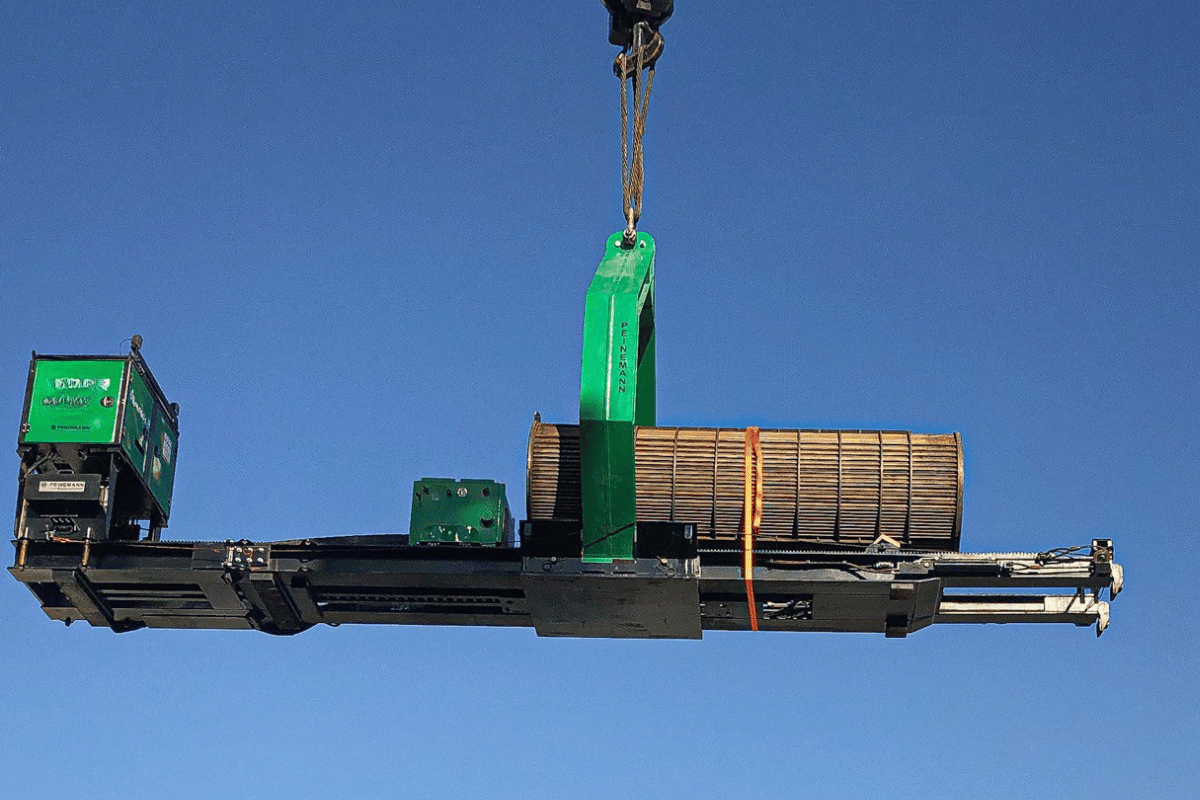
When renting a bundle extractor, verify specifications against project requirements. Key features include maximum pulling/pushing force, lifting capacity, maximum bundle diameter, and total length and weight. Confirm that dimensions fit facility space and access routes. Discuss the extractor type (truck-mounted, self-propelled, crane-lifted) to ensure adequacy for job site conditions.
What should be outlined in the rental terms and conditions?
The rental agreement should explicitly indicate the rental period duration with precise start and end dates. It should clarify conditions regarding extensions, early returns, and cost adjustments. Carefully scrutinize provisions about liability, insurance conditions, and damage responsibility. The agreement should specify the complete rental scope, including transportation and any auxiliary equipment included.
Why is it important to check maintenance and service records?
Requesting maintenance, inspection, and certification records is an essential due diligence step. These documents provide impartial proof of equipment condition and compliance with regular preventative maintenance schedules. Review logs for hydraulic system servicing, structural inspections, and load-testing certifications. A well-documented service history indicates a reliable machine and professional rental provider, reducing equipment failure risk.
What are the conditions for using the rented bundle extractor?
Clarify whether the rental is for bare machines or includes a licensed operator. If providing your own operator, confirm specific training and certification qualifications required by the rental company and site safety protocols. If the provider supplies an operator, request credentials and experience records to ensure safe and effective operation of that specific extractor model.
How to verify the safety compliance of rental equipment?
The rental company must provide documentation showing bundle extractor compliance with all relevant industry and regulatory standards, such as OSHA and ASME for lifting and rigging. Request recent inspection certificates and load testing documentation. The equipment must have all required safety devices—emergency stops, load limit indicators, and proper guards—functioning correctly.
How can I ensure the rental quotation is clear in terms of costs?
Request a detailed quotation breaking down all possible charges. These should include basic rental rate, mobilization and demobilization costs, operator fees, fuel surcharges, and insurance premiums. Inquire about overtime costs, standby time, and potential environmental or cleaning fees. A detailed quote prevents surprise costs and facilitates equal comparison of different rental companies.
Reference Sources
5 Key Questions to Ask Before Renting Heavy Equipment - Discusses key questions regarding maintenance records, costs, etc.
10 Key Questions to Ask Before Renting Heavy Equipment - Provides a detailed list of factors to be evaluated, with one of them being the availability and compatibility of the equipment.
Bundle Extraction - Gruppo Marcato - Mentioning the renting services of heat exchanger bundle extractors and their usages.
What is Tube Bundle Extractor and How Does It Work - Explains the working principle and the volume of tube bundle extractors.
Peinemann Equipment - Extracting Solutions - Enlists the specialized equipment for bundle extraction and the rental opportunities.
Final Thoughts
By asking the right questions and thoroughly evaluating your options, you can ensure that your bundle extractor rental meets your operational needs while staying within budget. Following these best practices and industry standards will help you achieve maximum efficiency, safety, and return on investment.