
 Chinese
The role of a bundle extractor operator is critical in industries where precision, efficiency, and safety are paramount. Performance in this sector demands that organizations equip their operators with comprehensive training covering operational procedures, safety protocols, and proper technique execution. Various certification programs address these requirements and ensure all participants meet expected standards. This comprehensive guide explores bundle extractor operator certification, examining its importance, structure, and the career advancement opportunities it provides.
Understanding Bundle Extractor Operations
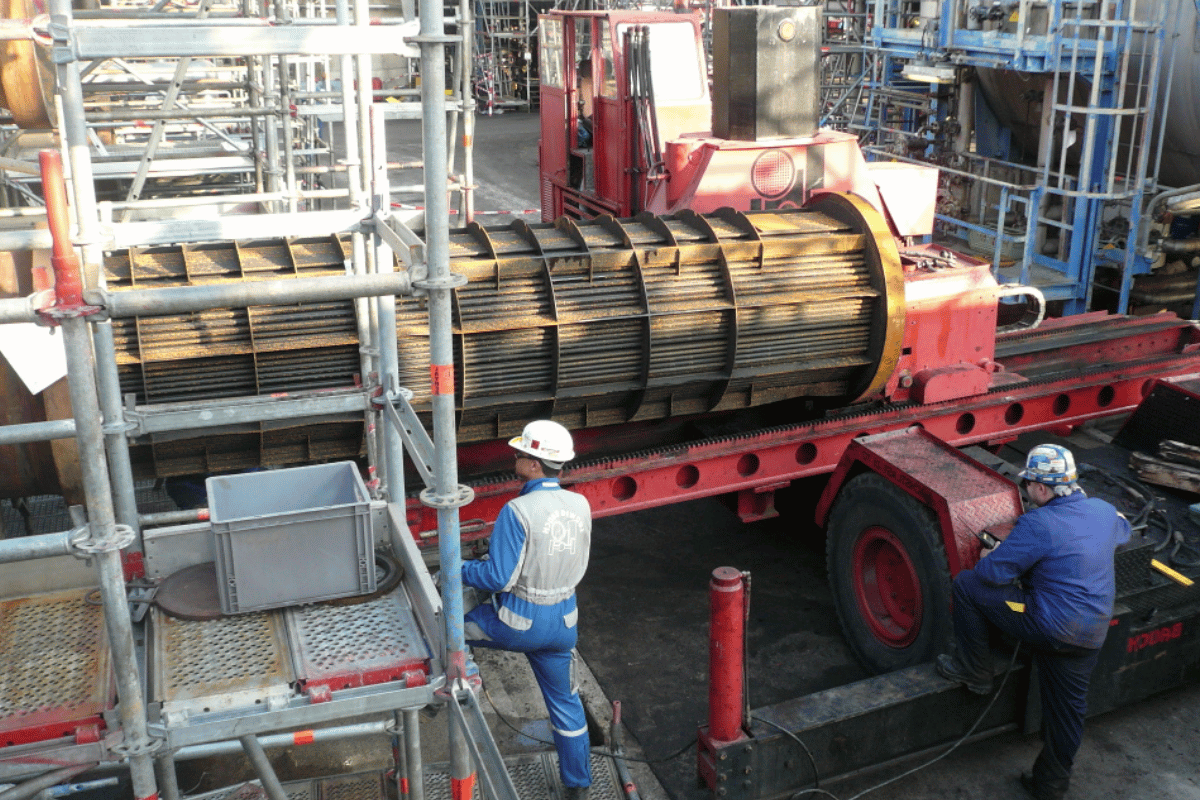
Bundle extractor operations involve utilizing mechanical mechanisms to efficiently handle, process, and unbundle various materials. These operations are fundamental in industries dealing with packaged equipment and bundled materials. The process requires operators to maintain control over material specifications, oversee equipment performance, and promptly address any operational interruptions to prevent productivity losses.
What is a Bundle Extractor?
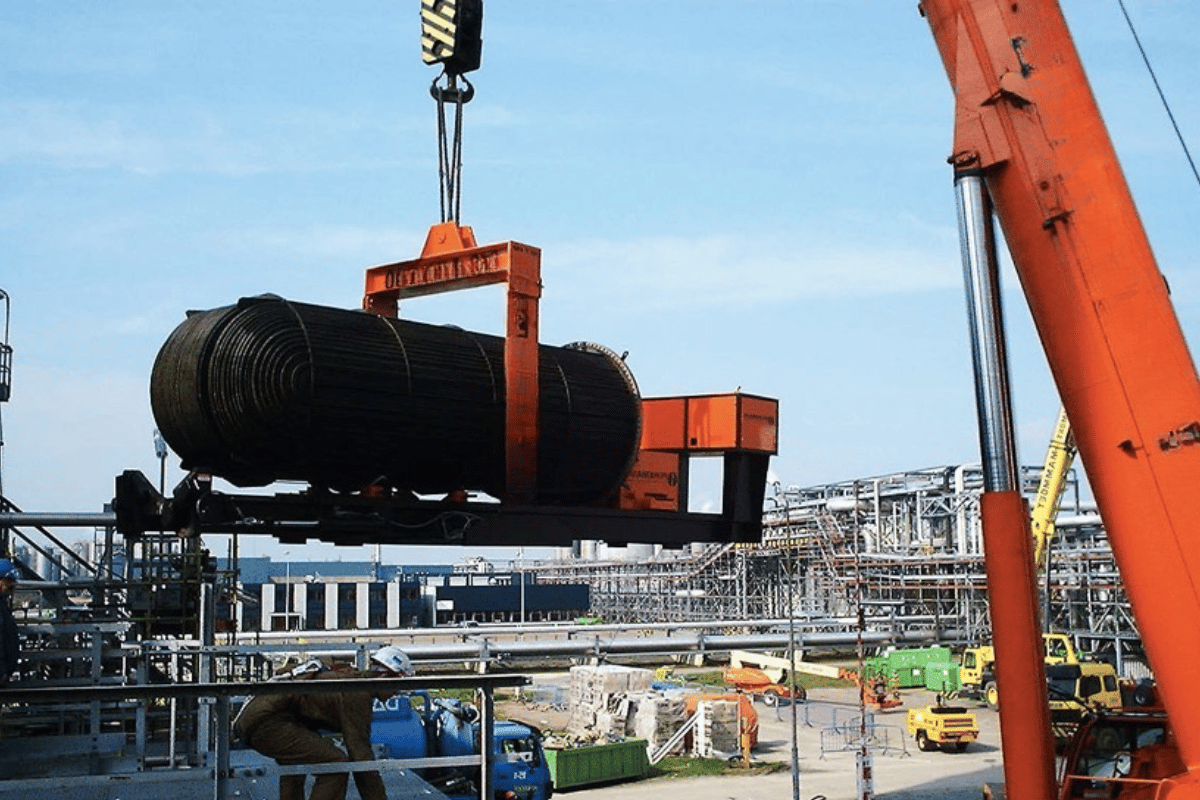
A bundle extractor is a specialized mechanism designed to dismantle, disassemble, and remove organized batches of materials in preparation for subsequent interventions such as classification, inspection, and repacking. This machinery finds extensive application in manufacturing, logistics, and recycling industries, significantly reducing the manual labor required for separating compressed or tied goods.
Modern Bundle Extractor Components
Contemporary bundle extractors incorporate sophisticated technology including hydraulic arms, precision sensors, and programmable control units tailored for specific applications involving textiles, metals, or plastics. Advanced equipment now integrates machine learning and Internet of Things (IoT) capabilities for enhanced control, improved efficiency, and predictive failure identification.
Key Components of Bundle Extraction Systems
1. Hydraulic Systems
Hydraulics serve as the power source for most bundle extractors, enabling efficient bundle removal. These systems consist of actuators, pumps, and valves engineered for precision and heavy-duty applications, capable of handling varied material conditions.
2. Precision Sensors
Advanced sensors provide accurate measurement and feedback through load cells, proximity sensors, and optical sensors that monitor weight loads, spatial elements, and material orientation throughout the extraction process.
3. Programmable Control Units (PCUs)
Control architecture determines operational effectiveness through accessible interfaces with enhanced software, enabling real-time modifications, process data recording, and seamless device collaboration using PLCs (Programmable Logic Controllers).
4. Machine Learning Integration
Artificial intelligence provides detailed operational analysis, identifies potential problems, and suggests improvements without human intervention, enhancing efficiency and reducing downtime and operational costs.
5. Internet of Things (IoT)
Wireless technology enables remote monitoring and diagnostics, connecting bundle extractors with management systems for real-time status updates, replacement scheduling, and maintenance planning.
6. Material Adaptability
Modern extractors accommodate various material types through detachable grips and adjustable gripping mechanisms, preventing damage by applying precisely calibrated energy during operations.
Comprehensive Training Programs for Bundle Extractor Operators
Bundle Extractor Operator Training equips operators to handle equipment efficiently while maintaining user and workplace safety. These structured programs incorporate multiple essential components designed to develop comprehensive operational competency.
Core Training Elements
| Training Component | Description |
|---|---|
| Equipment Familiarization | Operators gain comprehensive understanding of bundle extractor characteristics, machine functionality, and operational principles |
| Safety Protocol Training | Covers hazard control, personal protective equipment (PPE) usage, and emergency preparedness procedures |
| Standard Operating Procedures | Detailed instruction on basic and complex operational procedures for accurate, timely task execution |
| Preventive Maintenance | Training on routine checks and basic care to prevent equipment breakdowns and extend machinery lifespan |
| Scenario-Based Practice | Simulated exercises providing realistic environment practice to enhance skills and operational confidence |
Essential Skills for Bundle Extractor Operators
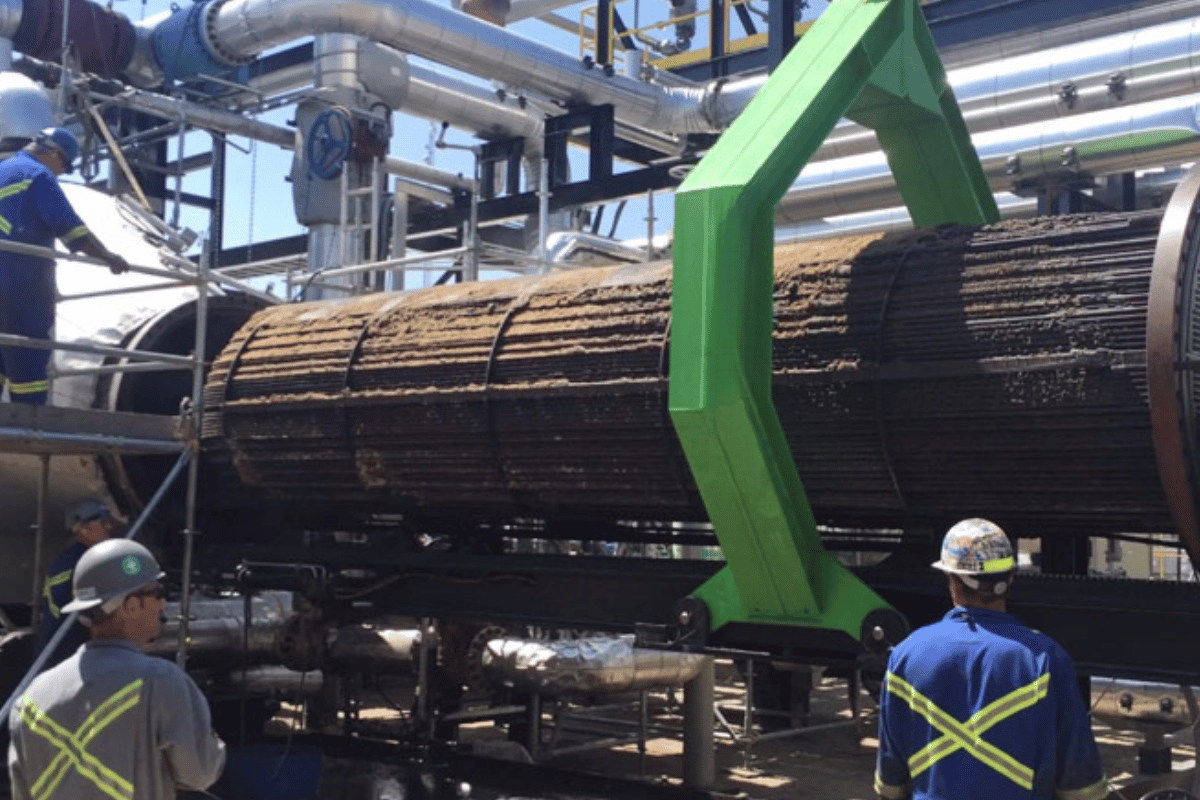
Industrial machinery operators require diverse skill sets to ensure safety, accuracy, and operational efficiency. The following competencies form the foundation of effective bundle extractor operation:
Technical Comprehension:In-depth knowledge of machines, tools, and systems including proper usage, maintenance procedures, and troubleshooting capabilities
Problem-Solving Abilities:Capability to detect and remedy operational disruptions quickly, minimizing downtime and sustaining production continuity
Attention to Detail:Meticulous execution of activities ensuring process safety and incident minimization through careful observation and precision
Communication Skills:Effective interaction with team members for task coordination, information sharing, and collaborative problem-solving
Adaptability:Flexibility to adjust to technological changes, evolving work processes, and emergency situations while maintaining service quality
Training Methods and Assessment Strategies
Effective operator training requires balanced delivery combining theoretical instruction with practical application. Bundle Extractor Operator Training providers implement comprehensive frameworks ensuring operators master fundamental competencies across all operational aspects.
Assessment Methodologies
Knowledge Evaluation
Written quizzes and multiple-choice questions assess comprehension of fundamental concepts, safety protocols, and operational theory
Skill Assessment
Simulation exercises and performance evaluations measure practical ability to execute tasks within acceptable parameters and handle operational challenges
Evaluation feedback enables operators to address competency gaps, directly contributing to productivity improvement and operational excellence.
Comprehensive Safety Protocols in Bundle Extraction
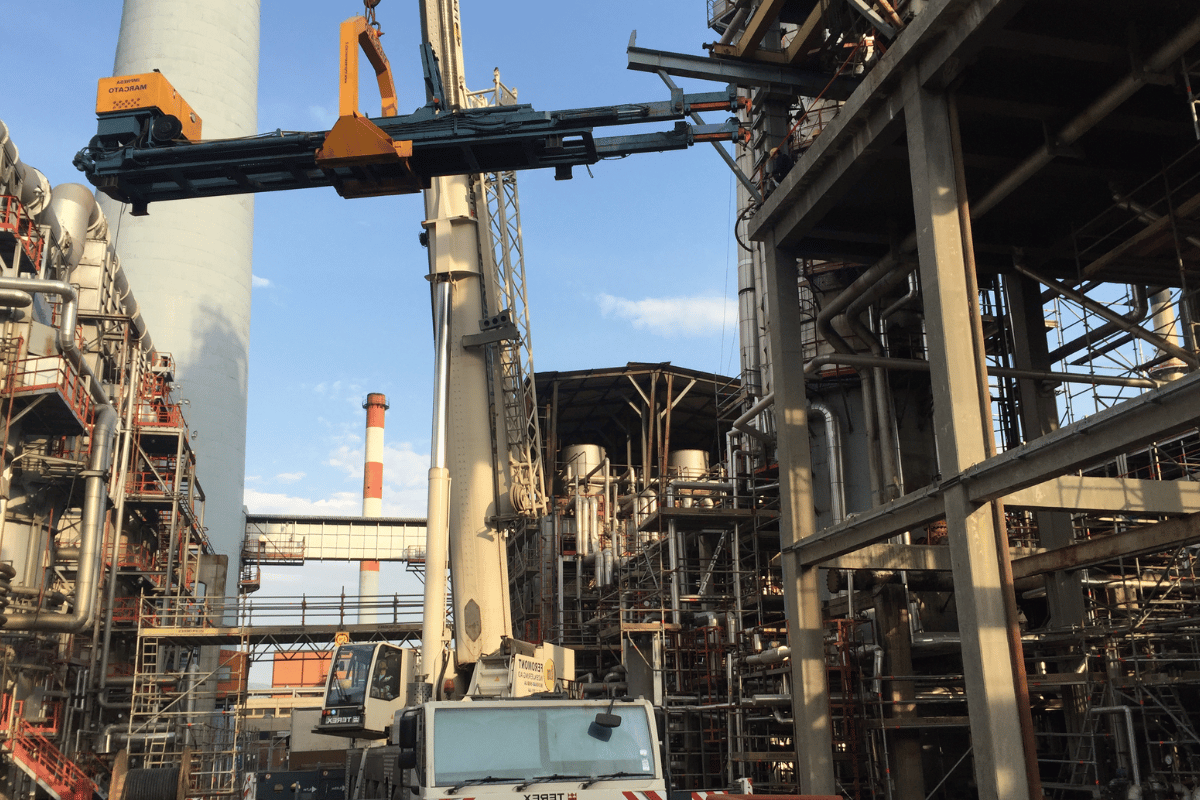
Safety measures and regulations during bundle extraction operations protect personnel and equipment from harm. Bundle Extractor Operator Training emphasizes rigorous adherence to established safety protocols throughout all operational phases.
Critical Safety Requirements
1Pre-Operational Equipment InspectionEssential examination of tools and equipment before operation ensures machinery functions within defined operational limits and safety parameters
2Communication SystemsAppropriate non-verbal communication protocols or radio systems must be established and available to all team members during operations
3Material Securing ProceduresAll materials and bundles must be properly secured during extraction phases to minimize hazards from falling or shifting loads
4Personal Protective Equipment (PPE)All operators must wear appropriate safety equipment including gloves, helmets, and protective footwear throughout operations
5Load Capacity ManagementExercise caution regarding equipment weight limits, preventing overloading that could cause mechanical breakdown or safety incidents
6Emergency Response PreparednessEstablish and practice emergency response plans and procedures to ensure rapid, effective action during critical situations
Understanding Safety Standards and Compliance
Safety standards represent established guidelines that mitigate risks and ensure personnel safety in operational environments. Typically prescribed by institutions such as OSHA (Occupational Safety and Health Administration) or ISO (International Organization for Standardization), these standards define required safety levels across industrial operations.
Key Standard Components
Regulations encompass proper equipment usage, hazard identification, and personnel training frequency requirements. Adherence ensures workplace compliance, operational functionality, and legal protection for organizations and employees.
Common Hazards and Risk Mitigation Strategies
Workplace hazards can significantly impact safety and productivity without proper mitigation. Bundle Extractor Operator Training addresses common risks and their prevention strategies:
| Hazard Type | Mitigation Strategy |
|---|---|
| Slips, Trips, and Falls | Maintain clear walkways, clean spills immediately, install slip-resistant flooring where necessary |
| Hazardous Substances | Properly label and store materials, provide protective equipment, train personnel on exposure reduction |
| Ergonomic Issues | Ensure ergonomic workstation design, encourage regular breaks to decrease repetitive stress and musculoskeletal injuries |
| Electrical Hazards | Conduct continuous equipment inspections, use only certified equipment, follow lockout/tagout procedures |
| Fire Risks | Conduct regular fire drills, maintain functional suppression equipment, implement proper flammable material storage |
Emergency Response Procedures
Emergency protocols within organizations are essential for minimizing exposure and restoring normal operations promptly. The following procedures enhance organizational preparedness:
1. Incident Identification and Communication
Identify the incident type and communicate through established channels (public announcement systems, alerters, notifications). Pre-arranged alarms significantly reduce reaction times and facilitate operation coordination.
2. Evacuation Procedures
Establish clear evacuation routes and assembly points. Evacuation methods should be communicated and practiced regularly through drills to ensure personnel familiarity and rapid response.
3. First Aid and Medical Response
Train staff members in first aid and CPR skills, provide strategically located first aid kits, and establish collaboration with local medical facilities for rapid treatment access.
4. Incident Control
Designate disaster response teams such as fire suppression or spill containment units to contain and resolve immediate dangers. Effective resource management addresses deployment priorities during critical situations.
5. Post-Incident Analysis
Conduct structured reviews following incidents to assess performance, gather data on response times and outcomes, and identify procedural improvements for future preparedness.
Equipment Maintenance: Critical for Operational Excellence
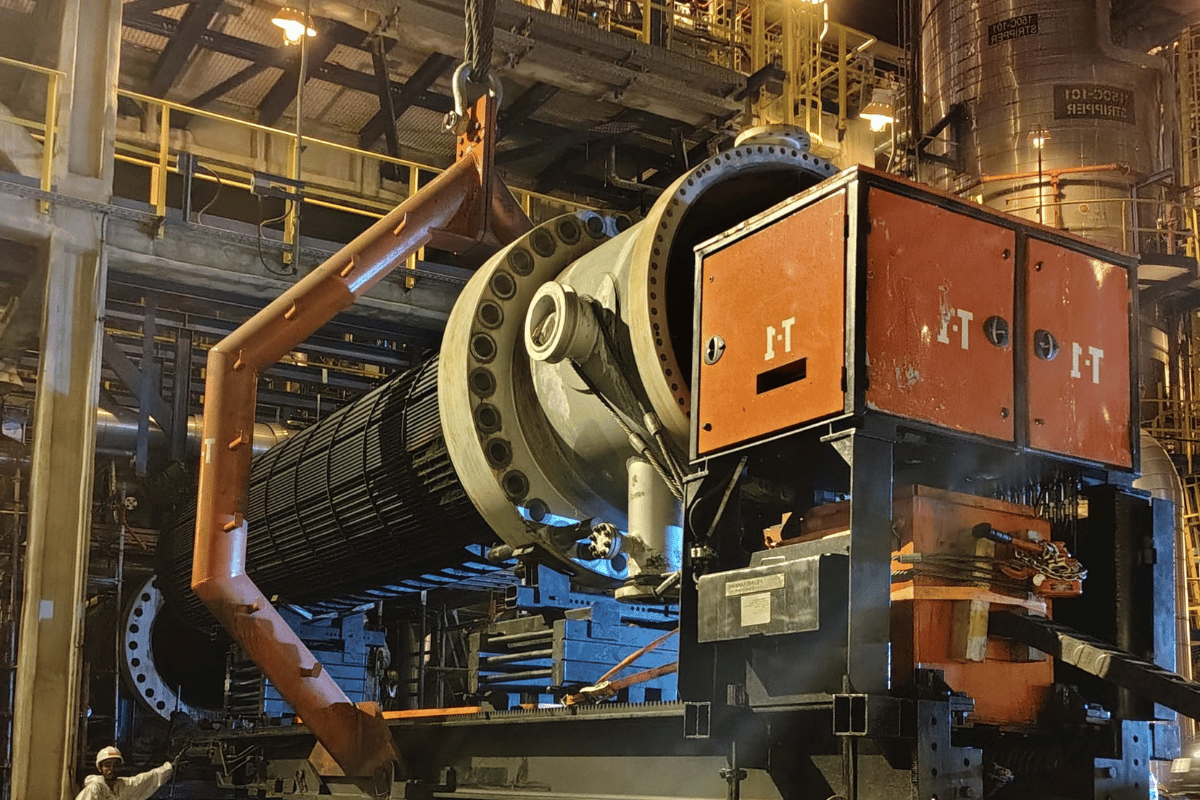
Proper equipment maintenance extends machinery lifespan, optimizes performance, and prevents costly operational disruptions. Bundle extractor operators must understand fundamental maintenance principles alongside operational competencies.
Five Compelling Reasons for Regular Maintenance
1. Optimal Efficiency
Scaling and fouling reduce heat transfer efficiency by up to 40% per 0.1 inch of buildup. Regular maintenance eliminates these problems, ensuring optimal performance.
2. Extended Service Life
Maintenance reduces corrosion, erosion, and fatigue, preventing excessive wear and extending equipment lifecycle by approximately 20-30%.
3. Reduced Utility Costs
Fouled equipment requires increased energy for equivalent output. Proper maintenance reduces energy consumption by 10-15%, generating significant cost savings.
4. Minimized Emergency Shutdowns
Scheduled maintenance identifies potential failures before they occur, preventing unexpected breakdowns and associated production losses.
5. Regulatory Compliance
Regular inspection ensures equipment operates within regulatory limits, avoiding legal consequences and maintaining safe working conditions.
Regular Maintenance Check Procedures
Conducting systematic evaluations of hardware, software, and operational workflows identifies potential issues before they escalate into critical failures. Key procedures include monitoring system logs for anomalies, verifying backup process integrity, and ensuring timely software updates. Establishing predefined maintenance schedules based on operational demands enables early detection of wear, tear, or obsolescence. Incorporating diagnostic tools and predictive analytics enhances maintenance precision, reducing downtime and supporting operational excellence.
Best Practices for Effective Bundle Extractor Operation
Set Performance Goals:Establish realistic operational objectives that enhance efficiency across all organizational departments and operational activities
Implement Standard Policies:Develop and communicate clear procedures to enhance process consistency and ensure activity adequacy throughout operations
Data-Driven Decision Making:Utilize measurement tools to assess organizational performance accuracy and identify improvement opportunities based on concrete metrics
Continuous Skill Development:Support personnel through ongoing training programs that build necessary skill sets and maintain current technological competency
Optimize Resource Management:Implement efficient plans minimizing staff, equipment, and facility usage while maximizing productive output and operational efficiency
Conduct Performance Reviews:Apply systematic measurements informing progressive performance improvements, overcoming operational drawbacks, and implementing necessary adjustments
Foster Team Collaboration:Cultivate cooperative workplace culture encouraging responsibility and effective communication to enhance overall business performance
Industry Trends and Future Developments
Contemporary industries are experiencing transformative changes through automation and artificial intelligence integration into core business operations. These technological advances improve workflow efficiency, minimize manual errors, and enhance decision-making through predictive analytics.
Current Trends in Bundle Extraction Technology
Machine learning integration enables precise extraction procedure optimization, reducing inefficiencies and failure rates. Advanced robotic systems facilitate faster material processing through sophisticated automation. IoT sensor integration with real-time analytics enables comprehensive process monitoring and optimization.
These technological trends emphasize sustainable practices through energy-efficient and material-conscious system design, aligning with broader industry environmental objectives and regulatory requirements.
The Future of Bundle Extractor Operator Training
Bundle Extractor Operator Training approaches will undergo significant transformation through advanced simulation tools and customized digital education platforms. Virtual reality will provide operators hands-on experience in controlled learning environments without operational risks.
Emerging Training Methodologies
Predictive Maintenance Focus
Training programs will emphasize predictive maintenance capabilities and real-time data interpretation skills essential for operating advanced machinery systems
Adaptive Learning Modules
Personalized training content will adjust to individual operator competency levels and learning objectives, improving performance outcomes and operational efficiency
Real-World Success Stories
Case Study: Manufacturing Facility Implementation
A manufacturing facility implemented ergonomic training using virtual reality technology simulating actual workstations with authentic equipment and personal protective gear. Despite allocating two weeks for training, operators achieved proficiency within three days of practice exercises.
Result: 30% reduction in operator errors through comprehensive Bundle Extractor Operator Training implementation
Case Study: Logistics Company Predictive Maintenance
A logistics company successfully implemented predictive maintenance training using adaptive learning software modules and data interpretation instruction. This approach contributed to avoiding unexpected operational interruptions through improved machinery maintenance practices.
Result: 25% improvement in equipment reliability and reduced unplanned downtime
Key Takeaway
These success stories validate how advanced training technologies significantly impact operational efficiency, accuracy, and cost reduction in bundle extraction operations.
Frequently Asked Questions (FAQ)
1. How is Bundle Extractor Operator Training structured?
Bundle Extractor Operator Training follows systematic formulation covering operators across defined competency dimensions. The program ensures certification only after individuals demonstrate proficient equipment use while adhering to specific operational and safety standards. This guarantees efficient, safe operation according to prescribed protocols.
2. What essential skills are taught during training sessions?
Training develops comprehensive operational competencies including equipment operation skills, problem-solving abilities, attention to detail, team collaboration capabilities, and adaptability to changing work environments and technological advancements.
3. What career opportunities exist after certification?
Certification provides official recognition of professional competence and commitment to industry standards. This enhances credibility, increases employment opportunities, and frequently facilitates advancement to positions with greater responsibility and improved compensation. Organizations recognize that certified operators represent reduced operational risks and improved productivity.
4. Why is training structured with specific components?
Training structure begins with equipment familiarization covering systems and operational principles. It progresses through elementary safety protocols including personal protective equipment and emergency procedures, standard operating instructions outlining required tasks, routine maintenance training for equipment preservation, and practical exercises enabling skill development in conducive learning environments.
5. Why is regular equipment maintenance important?
Maintenance increases thermal efficiency, extends equipment durability, and reduces energy costs. It prevents and mitigates damage processes including fouling, corrosion, and component failure that cause excessive energy consumption, costly repairs, and unplanned equipment shutdowns.
6. What safety protocols are emphasized during training?
Safety remains the primary concern throughout training. Operators learn comprehensive safety rules including pre-operational machinery inspection, proper tool usage, PPE requirements for load-moving tasks, communication protocols, and component loading procedures. Training also covers specialized emergency response procedures ensuring preparedness for critical situations.
Conclusion
Bundle Extractor Operator Certification represents a critical investment in workforce competency, operational safety, and organizational efficiency. Through comprehensive training covering equipment operation, safety protocols, maintenance procedures, and emerging technologies, certified operators contribute significantly to reduced operational risks, improved productivity, and sustainable industry practices. As technology continues advancing with automation, IoT integration, and predictive analytics, ongoing training and certification remain essential for maintaining competitive advantage and operational excellence in bundle extraction operations. Bundle Puller & Bundle Extractor Equipments