
 Chinese
The performance of heat exchangers that is both reliable and efficient is a necessity for the uninterrupted operation of any petrochemical plant. Such components are the main contributors to heat treatment, process efficiency, and safety of personnel and machines at the same time. However, heat exchangers, like all mechanical systems, are also subject to defects, fouling, and corrosion which lead to loss of operational efficiency or even catastrophic breakdowns if not properly maintained. This comprehensive guide reviews the major maintenance aspects of heat exchangers, providing preventive strategies, essential maintenance methods, and new technologies which enhance performance and prolong equipment life.
Importance of Heat Exchanger Maintenance
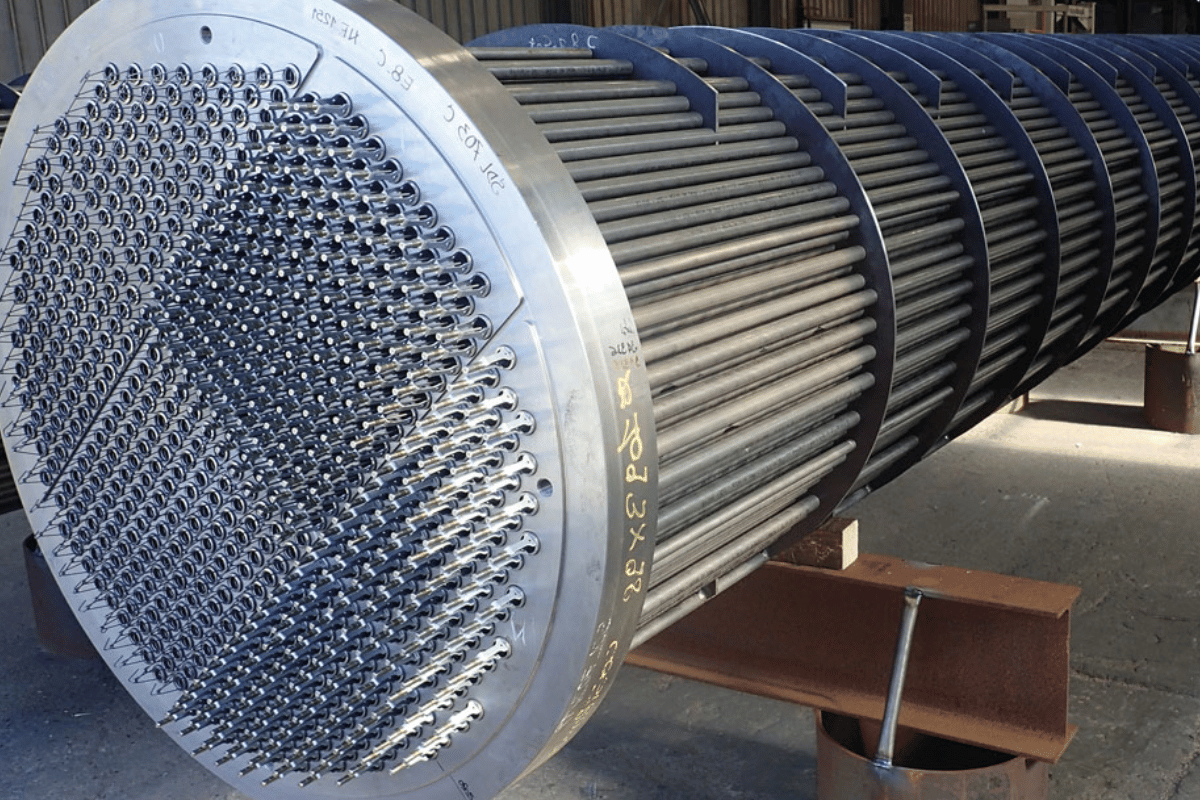
Well-maintained heat exchangers support operational efficiency and contribute to the reduction of downtime to a large extent. The maintenance performed at regular intervals acts as a barrier against problems commonly associated with heat exchangers such as fouling, corrosion, and leakage, which in turn lead to reduced heat transfer efficiency and increased energy consumption. Proper maintenance not only prevents costly equipment replacements but also ensures facility uptime, safety, and machine dependability.
Routine inspections and cleaning established as part of regular operations help companies enhance system efficiency, extend equipment lifespan, reduce energy consumption, and comply with safety and industry standards.
Role of Heat Exchangers in Petrochemical Plants
Heat exchangers are critical components in the operations of petrochemical plants, serving as the principal units for hot and cold processing as well as energy recovery. They transfer thermal energy efficiently between different liquids or gases that do not mix, which is essential for maintaining product purity and process stability. Modern heat exchangers bring down operational costs significantly by consuming less energy and upgrading processes.
Key Functions and Modern Developments
Distillation, Condensation, and Chemical Reactions: Heat exchangers enable precise temperature control for critical processes where accuracy is paramount.
Advanced Materials: Increasing use of corrosion-resistant materials ensures longer life and reduced maintenance time.
Digital Monitoring Systems: Integration of monitoring systems increases fault detection and enables predictive maintenance approaches.
Design Improvements: Modern plate and shell-and-tube heat exchangers transfer more heat in less area while withstanding extreme petrochemical plant conditions.
Consequences of Poor Maintenance
Careless maintenance of industrial facilities, including heat exchangers, can create a chain of events resulting in operational problems, significant costs, and safety hazards. Deterioration of equipment due to fouling, corrosion, or blockage reduces thermal efficiency, leading to higher energy consumption and increased operational costs. This inevitable wear and tear can unexpectedly lead to breakdowns, resulting in considerable production stoppages that disrupt production and negatively affect the supply chain.
Safety and Environmental Risks
Poorly operating systems might cause leakage, face pressure problems, and breakdowns—accidents that could be extremely harmful in petrochemical plants processing hazardous materials. Environmental risks compound the situation, as unnoticed leaks or emissions not meeting regulations are potential sources of heavy fines and reputational loss.
Industry Research Finding: Plants with inadequate maintenance spend an extra 15-20% on emergency repairs and production losses compared to plants following preventive maintenance programs.
Benefits of Routine Maintenance
1. Less Downtime and More Reliable Equipment
Ongoing maintenance eliminates unexpected failures by uncovering and fixing potential issues before they spread. Studies reveal that plants with regular maintenance schedules can cut unplanned downtime by half, allowing uninterrupted operations.
2. Cost Efficiency
Preventive maintenance realizes major savings through prevention of large-scale equipment failures and reduced emergency repair needs. Studies indicate preventive maintenance decreases maintenance costs by 12-18% annually compared to reactive maintenance strategies.
3. Improved Safety and Compliance
Regular inspections and servicing minimize the probability of accidents caused by non-functional equipment. This ensures regulatory safety requirements are met, avoids penalties, and provides a safe atmosphere for workers.
4. Prolonged Equipment Life
Maintenance programs guarantee highest performance levels and extend equipment lifespan. Proper maintenance enables machines to operate efficiently for approximately 20-30% longer than machines that are never maintained.
5. Better Energy Efficiency
Properly maintained industrial machines and HVAC systems consume less power, contributing to energy savings of up to 15%. Reduced energy costs lead to higher profit margins and support environmental sustainability initiatives.
Types of Heat Exchangers
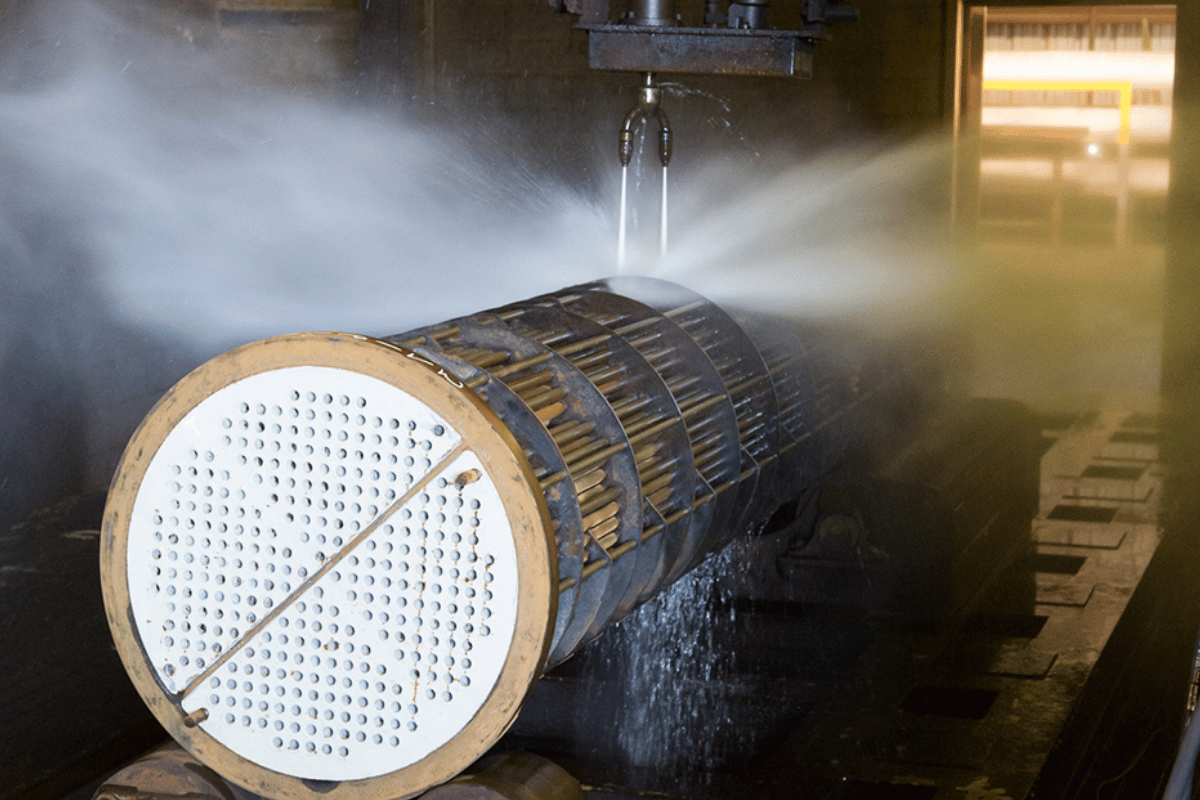
Heat exchangers can be categorized based on design and principles of operation. Understanding these types is essential for selecting the appropriate equipment and maintenance approach for specific applications.
1. Shell and Tube Heat Exchangers
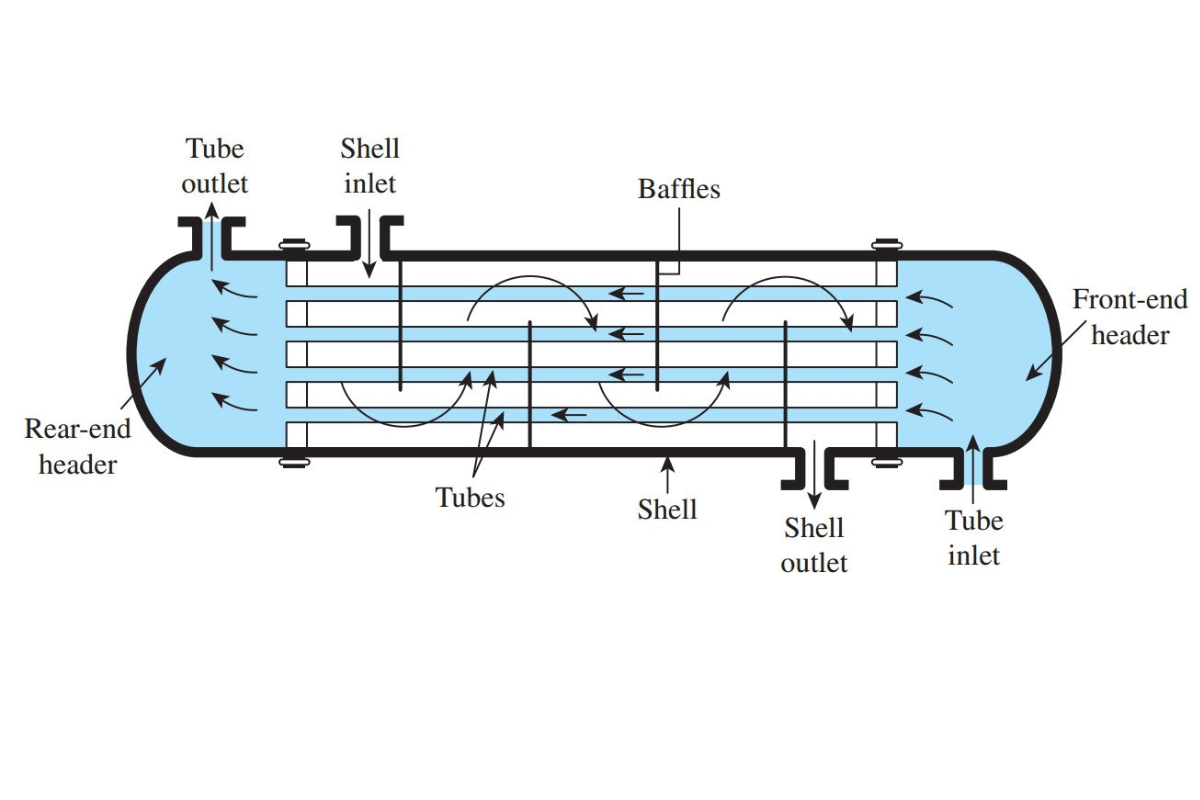
Consist of numerous tubes wherein one fluid passes through the tubes while another fluid flows outside the tubes but inside the shell. Extensively used in industries due to ruggedness and ability to operate under high-pressure and temperature conditions.
2. Plate Heat Exchangers
Modern type utilizing thin and embossed metal plates for effective and quick heat transfer between fluids. Compact and efficient, ideal for space-restricted applications such as HVAC systems and food processing.
3. Air-Cooled Heat Exchangers
Provide cooling of fluids using ambient air. Frequently used in water-scarce or water-less locations, such as offshore or arid regions.
4. Double Pipe Heat Exchangers
Simple design with one fluid passing through the inner pipe and another through the outer pipe. Lower in costs and suitable for processes requiring minimal heat transfer.
5. Finned Tube Heat Exchangers
Designed to augment heat transfer by equipping tubes with fins or extended surfaces. Usually found in systems demanding high thermal efficiency, like refrigerators or air conditioners.
Shell and Tube Heat Exchangers
Shell and tube heat exchangers remain among the most adaptable and robust heat exchanging systems due to their hardiness and use across various industries. The shell contains a bundle of tubes; indirect heat exchange between two liquids is facilitated when one liquid travels through the tubes and the other flows outside the tubes but inside the shell.
These exchangers are primarily chosen for their capability to operate at high pressures and temperatures, making them essential in power plants, petrochemical industries, and HVAC systems. They can cope with large temperature differences and are designed for easy maintenance and expansion while occupying minimal space. Engineers selecting this type typically prioritize thermal performance, pressure drop, and fluid compatibility to guarantee optimal operation within system specifications.
Plate Heat Exchangers
Plate-type heat exchangers are essential in systems where heat must be transferred between fluids in limited space. The technology employs a series of thin, corrugated plates through which two fluids flow simultaneously. The plate design disrupts laminar flow, raising heat transfer coefficients while decreasing required area. This makes plate heat exchangers the most suitable option for applications where compactness and thermal efficiency are paramount, including food processing, chemical processing, and HVAC systems.
Key Advantages
✓ Flexibility and Energy Efficiency: Superior performance compared to traditional shell and tube exchangers
✓ Easy Maintenance: Quick disassembly and cleaning capability, essential for industries with strict hygiene requirements
✓ Modularity: Enables addition of new plates or substitution for changing operating parameters
✓ Energy Recovery: Reduced pressure drop and ability to handle small temperature differences make them ideal for sustainable systems
Comparative Analysis of Heat Exchanger Types
Routine Inspection Protocols
Regular inspection of heat exchangers is essential for operational efficiency, system reliability, and safety compliance. The following protocols outline steps for comprehensive inspection.
1. Component Inspection
Scrutinize outer surfaces for signs of corrosion, cracking, or deterioration. Focus particularly on connections, joints, and finned areas in finned-tube and air-cooled exchangers.
2. Fluid Leak Testing
Employ pressure testing or dye penetrant methods to detect system leaks. This is particularly important for double-pipe and regenerator heat exchangers, where even slight leakages might significantly affect operational efficiency.
3. Thermal Efficiency Evaluation
Monitor inlet and outlet temperatures and total heat transfer rates. Any deviation from expected performance parameters might indicate fouling, scaling, or reduced thermal conductivity.
4. Fouling and Scaling Assessment
Inspect and quantify fouling residue inside tubes and on surfaces. High-performance units like finned-tube types are particularly prone to efficiency loss from dirt or scaling.
5. Mechanical Integrity Testing
Adopt non-destructive testing (NDT) techniques such as ultrasound inspection or radiography to eliminate structural defects, especially in high-pressure or critical applications found in petrochemical or steel industries.
6. Cleaning and Maintenance Recommendations
Based on inspection results, establish cleaning protocols such as chemical descaling or mechanical cleaning. For complex designs like regenerators, plan specialized maintenance to address intricate structural components.
Routine application of these inspection protocols ensures extended lifespan of heat exchanger systems, enhanced energy efficiency, and reduced unplanned downtimes.
Establishing a Maintenance Schedule
A proper and efficient heat exchanger systems maintenance schedule can be created by blending three types of maintenance strategies: time-based, condition-base, and predictive maintenance.
Time-Based Maintenance
Includes cleaning and inspecting heat exchangers regularly according to manufacturer's guidelines. Scheduled at fixed intervals regardless of equipment condition.
Condition-Based Maintenance
Uses data from sensors and performance metrics, performing servicing only when certain limits are exceeded, eliminating unnecessary interventions.
Predictive Maintenance
Integrates advanced analytics and artificial intelligence, using historical data and real-time monitoring to foresee potential issues, enabling proactive problem resolution. Most efficient method to avoid unplanned downtimes.
Key Inspection Points
- 1
Lubrication Levels
Check lubrication levels as the primary preventive measure against friction and wear of machinery components. Ensure the correct lubricant type is used according to manufacturer specifications.
- 2
Structural Integrity
Look for possible cracks, corrosion, and other physical damage. Structural flaws can render equipment unsafe and unserviceable.
- 3
Electrical Systems
Monitor wiring, connections, and insulation constantly to detect aging, overheating, or loose fittings, preventing power outages and fire hazards.
- 4
Temperature and Vibration
Analyze temperature and vibration readings to detect unusual patterns indicating mechanical or operational problems.
- 5
Filter and Seal Quality
Conduct comprehensive inspection of filters and seals for blockage, wear, or leaks that may lead to reduced performance or contamination.
- 6
Control Systems Calibration
Confirm that sensors, controllers, and other control systems are calibrated precisely to maintain optimal operational accuracy.
Documentation and Record Keeping
Proper documentation and record keeping are essential for operational efficiency and regulatory compliance. Well-organized and systematic records should include maintenance schedules, inspection logs, and calibration reports. Each entry must be dated, signed by the responsible person, and stored in a central, secure location for easy accessibility and review. Periodically updating records ensures traceability, supports troubleshooting, and provides evidence of compliance during audits.
Common Fouling Challenges
Fouling describes the deposition of unwanted materials onto surfaces, causing major drops in system efficiency and resulting in expensive maintenance needs. Understanding and addressing these challenges is critical for maintaining heat exchanger performance.
Biofouling
Formation of microorganisms, algae, or biofilms that block fluid passage and decrease heat exchange efficiency.
Scaling
Solidification of minerals like calcium carbonate into hard deposits on pipes and equipment surfaces.
Particulate Fouling
Collection of suspended solids and debris from the working environment.
Corrosion Fouling
Thickening of corrosion products resulting from chemical reactions inside equipment.
Chemical Fouling
Deposition of insoluble reaction by-products, often due to incompatible chemical compositions.
Implementing preventive measures such as regular cleaning, optimized system design, filtration, and chemical treatments helps prevent these fouling problems while maintaining operational reliability and performance.
Types of Fouling in Heat Exchangers
Heat exchanger fouling has significant negative impact on thermal performance, efficiency, and operational life. Below are five different fouling types commonly found in heat exchangers with their complete characteristics.
Scaling Fouling
Caused by crystallization of salts such as calcium carbonate or magnesium sulfate. Hard water areas are greatly affected by scaling, which can almost completely block heat transfer ability.
Biological Fouling (Biofouling)
Accumulation and growth of microorganisms, algae, or biofilms on heat exchanger surfaces. Often causes blockages and significant increases in pressure drop.
Particulate Fouling
Consequence of solid particle deposition such as dust, dirt, or suspended matter in the fluid stream. Main causes include untreated water systems or dusty operational environments.
Corrosion Fouling
Occurs when metal surfaces contact fluids or gases and oxidize to form products like rust. These deposits reduce heat transfer efficiency and might lead to premature metal failure.
Chemical Reaction Fouling
Results from insoluble by-products formed during chemical reactions between process fluids and contaminants that adhere to heat exchanger surfaces. Systems with oil, hydrocarbons, or reactive chemicals usually experience such fouling.
Properly identifying and addressing these fouling mechanisms is crucial to maximize heat exchanger performance, reduce maintenance costs, and extend equipment life. Preventive maintenance, advanced coatings, and water treatment efficiently combat these fouling difficulties.
Impact of Fouling on Efficiency
Fouling remarkably impairs the operational functionality of heat exchangers through both thermal and hydraulic performance. The following areas illustrate where fouling has significant effects on efficiency:
1. Diminished Heat Transfer Coefficient
Deposits act as thermal insulation, lowering the total heat transfer coefficient by 2-5% for minor fouling and up to 50% or more in severe cases, depending on fouling type and application.
2. Higher Energy Consumption
Energy is used in larger quantities for pumping fluid through the system and maintaining temperature. Studies indicate energy usage may increase by 10% to 30%, resulting in higher long-term operation costs.
3. Increased Pressure Drop
Fouling blockage reduces available flow areas and increases resistance, raising pressure across the heat exchanger by approximately 20-50%, requiring pumps or compressors to work harder.
4. Maintenance and Downtime Issues
Fouling demands regular cleaning and maintenance. Unplanned shutdowns can consume 30%-50% of maintenance costs, significantly impacting operational continuity.
5. Shortened Equipment Life
Prolonged exposure to fouling factors such as corrosion or scaling leads to rapid material decay, reducing equipment lifespan by approximately 10-15 years in heavily affected areas.
Strategies for Reducing Fouling
Effective fouling management requires both preventive and corrective measures. The following strategies help maintain system efficiency and prolong equipment life:
Regular Chemical and Physical Cleaning: Constant maintenance prevents fouling before it starts, maintaining optimal heat transfer.
Operating Condition Adjustments: Lowering temperature and optimizing flow rates minimizes deposit formation.
Advanced Materials: Using high-temperature resistant metal alloys or coatings provides better resistance against fouling.
Monitoring Technologies: Sensors and data analytics provide real-time feedback, enabling immediate corrective actions.
Heat Exchanger Cleaning Techniques
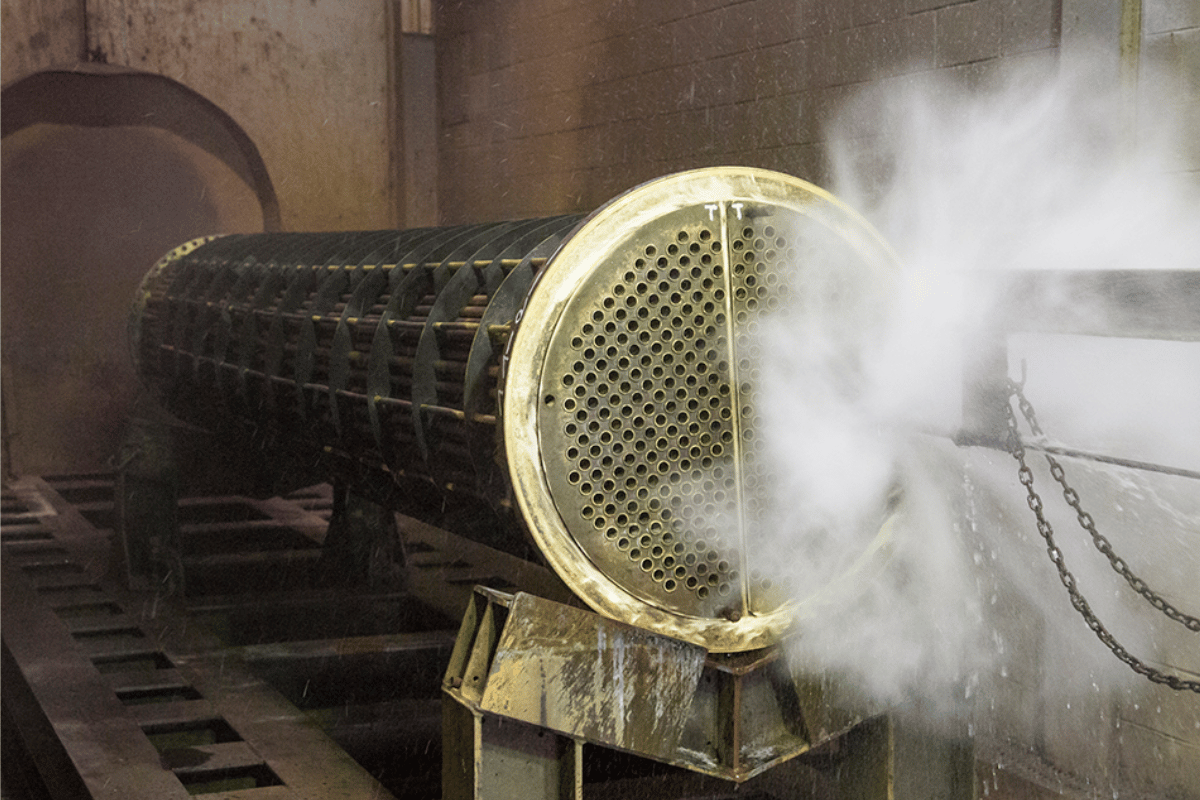
Successful cleaning methods for heat exchangers vary with fouling type and system design. The following techniques are most commonly employed across industries:
Chemical Cleaning
Application of chemical agents to dissolve or loosen deposits. Solution choice depends on fouling type—acid solutions for scale removal, alkaline or neutral solutions for organic matter.
Mechanical Cleaning
Uses brushes, scrapers, or high-pressure water jets to physically eliminate debris from heat exchanger surfaces.
Hydroblasting
High-pressure water jets effectively remove the hardest deposits without causing damage to equipment surfaces.
Pigging
A specialized pig is inserted and pushed through pipelines to remove fouling or deposits, especially effective in tubular systems.
Foam Cleaning
Foam agents provide excellent penetration, making this method ideal for difficult-to-reach areas within heat exchangers.
Important: Routine cleaning and periodic inspections must be performed to ensure optimal performance and prevent long-term damage.
High-Pressure Cleaning Methods
High-pressure cleaning methods employ water jets or high-pressure liquids to eliminate dirt, scale, and debris from various surfaces. These methods are ideal for industrial locations where cleaning significantly affects operational efficiency.
Hydroblasting
Eliminates the toughest residues like paint, heavy rust, or chemical build-up through ultra-high-pressure water streams reaching up to 40,000 psi. Used extensively in petrochemical and construction industries due to its non-invasive and cost-effective nature.
Benefits: Results in low surface wear, making it a versatile method for various applications.
Rotary Jet Cleaning
Employs rotating jet nozzles for precise cleaning of small areas such as inside pipes or tanks. Integration of robotics and automation guarantees higher precision and safe industrial cleaning.
Modern Development: Robotics and automation are becoming increasingly popular for enhanced safety and precision.
Suction-Assisted High-Pressure Cleaning
Hybrid methods incorporating suction that instantly collects waste during the cleaning process. This innovation addresses the rising demand for eco-friendly and waste-reducing solutions.
Environmental Benefit: Aligns with environmental safety standards while maximizing cleaning efficiency.
Choosing the Right Cleaning Agents
Selecting proper cleaning agents is vital for obtaining high-quality results, maintaining safety, and meeting compliance requirements. The choice depends primarily on the cleaning material, dirt type, and corresponding industry regulations.
Key Considerations
✓ Alkaline Agents: Perfect for oil and grease removal
✓ Acidic Solutions: Suitable for mineral deposits and rust
✓ Product Labeling: Consult labels and safety data sheets (SDS) for surface compatibility and risk assessment
✓ Eco-Friendly Products: Prioritize biodegradable products to reduce environmental impact without compromising efficiency
✓ Testing: Always test on a small, inconspicuous area first to prevent unintended damage
Best Practices for Cleaning Heat Exchangers
1Inspect the Unit Regularly
Regular inspections allow early detection of fouling, corrosion, or blockages. Borescopes and other inspection tools can be helpful for internal evaluations.
2Choose the Right Cleaning Method
Cleaning method should align with contamination type and extent. Common methods include mechanical cleaning (brushing or rodding) or chemical cleaning with solutions formulated for specific fouling materials.
3Follow Manufacturer Guidelines
Adhering to manufacturer's cleaning instructions is mandatory to maintain high heat exchanger performance and prevent damage.
4Prepare for Cleaning Safely
Before cleaning, the system must be depressurized, isolated, and cooled down. Use appropriate personal protective equipment (PPE) and comply with all health and safety regulations.
5Rinse and Inspect Post-Cleaning
Rinse the unit thoroughly to ensure no cleaning agents remain. Final inspection confirms the heat exchanger is clean and undamaged before operations resume.
Applying these practices maintains efficiency, extends equipment lifespan, and minimizes unplanned downtime.
Frequently Asked Questions
What are the main heat exchanger maintenance goals in petrochemical plants?
The main maintenance goals are to preserve thermal efficiency, ensure operational safety, and maintain equipment durability. Petrochemical plants operate under extreme conditions with high temperatures and pressures. Proper maintenance prevents complete heat transfer failure, protects equipment from catastrophic breakdowns, and ensures compliance with environmental and safety regulations.
What is fouling and how does it affect function?
Fouling is the deposition of undesirable material on heat transfer surfaces. In petrochemical applications, this can include coke, scale, algae, or similar substances. Fouling creates heat transfer resistance, drastically reducing the heat transfer coefficient and forcing systems to consume greater energy to achieve desired temperature changes. Excessive fouling can restrict fluid flow, create pressure differentials, cause pump failures, increase costs, and lower production.
What are typical cleaning techniques for industrial heat exchangers?
Cleaning methods typically fall into mechanical and chemical categories depending on fouling type and exchanger design:
High-Pressure Water Jetting (Hydro-blasting): Physical removal of tube bundle deposits using water streams at pressures exceeding 10,000 to 20,000 PSI.
Chemical Cleaning: Dissolving mineral scale or organic deposits with acid or alkaline solutions circulated through the exchanger without disassembly (Clean-in-Place or CIP).
Mechanical Pigging: Scraping off internal deposits by sending pigs or flexible projectiles through the tubes.
How is preventive maintenance different from reactive maintenance?
Reactive Maintenance: Limited to addressing equipment breakdowns or significant performance loss after occurrence. Typically results in unplanned downtime, extra repair costs, and safety hazards.
Preventive Maintenance: Regular timed inspections and servicing based on time intervals or usage metrics. Catches and repairs small problems—like minor fouling or leaks—before they develop into major breakdowns. Being proactive greatly improves plant uptime and reliability.
What signs indicate a heat exchanger needs immediate attention?
Operators should monitor several key performance indicators (KPIs) that serve as alarm signals:
Temperature Changes: Outlet temperatures outside design specifications indicate affected heat transfer efficiency.
Pressure Drop Increase: Very high inlet-outlet pressure difference indicates blocked tubes or heavy internal fouling.
Fluid Leakage: Any visible external leakage or evidence of fluid mixing indicates tube breaks or damaged gaskets.
Vibration: Excessive vibration may indicate flow problems or loose internal components leading to tube fatigue.
How are maintenance intervals determined for specific units?
Maintenance schedules are not one-size-fits-all. Engineers determine intervals based on various factors:
Fluid Composition: Fluids that corrode pipes or rapidly foul equipment (e.g., crude oil) require more frequent maintenance than cleaner fluids.
Historical Data: Analysis of historical records helps estimate when fouling will reach critical levels requiring cleaning.
Criticality: Heat exchangers crucial to entire processes are checked frequently to prevent production delays.
Regulatory Standards: Some pressure vessels legally require inspections and tests at set intervals for safety compliance.
What safety measures should be followed during heat exchanger maintenance?
Working with hazardous petrochemical fluids makes safety the top priority:
Isolation (Lockout/Tagout): All energy sources and fluid lines must completely isolate the unit to prevent accidental startup or release.
Decontamination: Hazardous fluids and vapors must be removed through draining, purging, and flushing before personnel can safely access the exchanger.
Bundle Handling: Use specialized extraction equipment and careful lifting planning to prevent injuries when handling heavy tube bundles.
Personal Protective Equipment (PPE): Workers must be equipped with appropriate PPE for the task and environment, including chemical-resistant suits and respiratory protection.
Conclusion
Proper heat exchanger maintenance in petrochemical plants is essential for operational efficiency, safety, and cost-effectiveness. By implementing comprehensive inspection protocols, establishing effective maintenance schedules, understanding fouling challenges, and applying appropriate cleaning techniques, facilities can maximize equipment performance, extend operational lifespan, and minimize costly downtimes. Whether you are a production manager, engineer, or technician, adopting these best practices will safeguard your processes and optimize equipment reliability for years to come.
Bundle Puller & Bundle Extractor Equipments