
 Chinese
The proper operation of a power plant condenser relies on a diligent maintenance process, of which bundle extractors are the main tools. These are highly specialized devices that simplify the process of removing, cleaning, and reinstalling tube bundles of condensers, thereby minimizing the impact of time and interruptions in operations. This comprehensive guide elaborates on the need for regular maintenance of the condenser, the use of bundle extractors to make the maintenance of condenser more efficient, and the proven methods that can renew the equipment's life as well as maintain performance at the top level. Whether you are a plant operator, maintenance engineer, or industry professional, you will acquire practically useful ideas about reliable condenser operation through effective maintenance strategies.
Importance of Condenser Maintenance in Power Plants
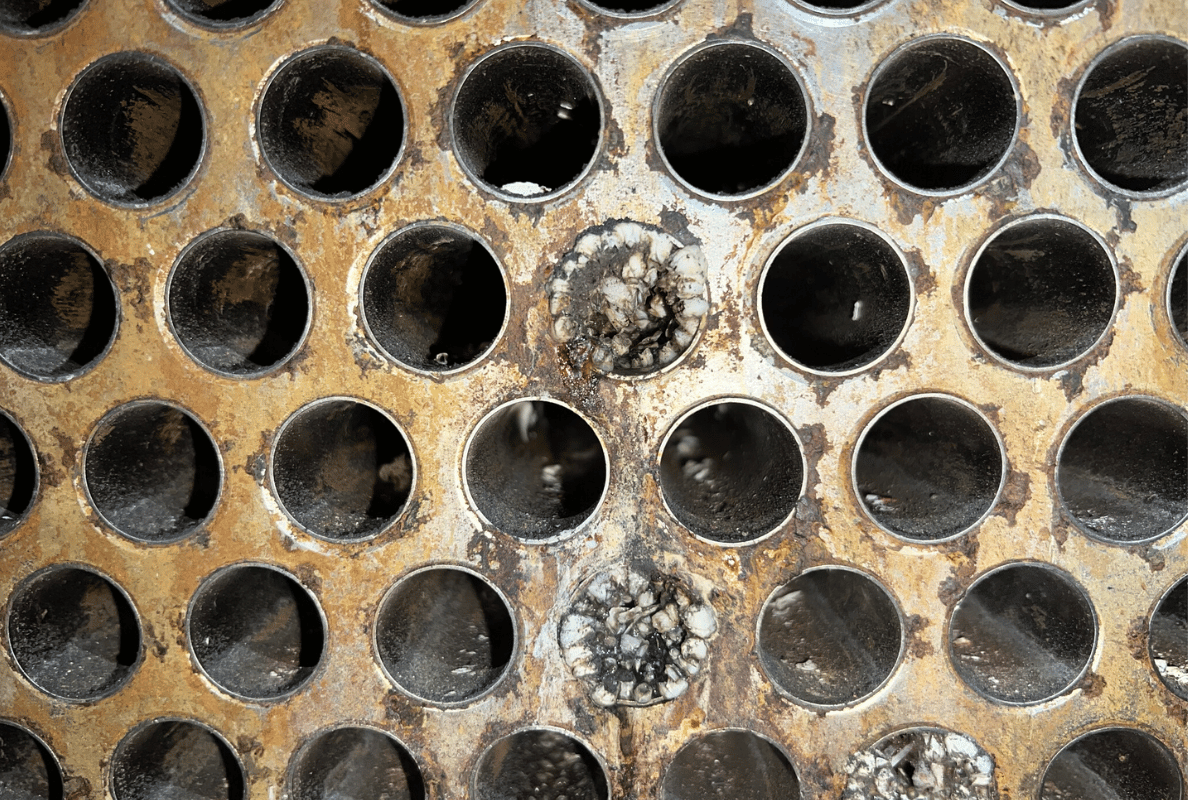
Maintenance of the condenser is a key factor for reliable and efficient operation of a power plant. Power plant operators can avoid equipment failures, enhance heat exchange processes, and reduce energy consumption through systematic maintenance protocols. Regular inspections and cleaning will eliminate scale and debris that could obstruct water and steam flow, thus keeping thermal efficiency at its best. Proper maintenance will not only avoid unexpected downtimes but will also extend the life of the condenser, resulting in lower costs and steady operations. Through proper maintenance, the power plant can meet energy requirements both in a consistent and sustainable manner.
Role of Condensers in Power Generation
The thermoelectric plants make the employment of the condensers necessary for the efficiency and sustainability of the power generation systems as they play a major role in power generation. The heavy-duty turbines and the condensers share a very close interaction through the returning of the turbines' exhaust steam back to water. This leads to the maintenance of the very low pressure that the condensers create which enables the turbines to perform energy extraction to the maximum level.
Recent reports indicate that manufacturers are pursuing advanced condenser designs like air-cooled or hybrid systems not only for better thermal performance but also to alleviate the water shortage problem. Such developments lead to the betterment of the heat rejection processes and the reduced environmental impact of power plants. Furthermore, the use of real-time monitoring and predictive analytics as part of the data-driven maintenance strategies is now allowing the operators to detect the inefficiencies at the very outset thus guaranteeing a smooth and trustworthy operation. Condensers remain to be an important element in the production of high-efficiency power no matter how traditional or modern energy demands are.
Impact of Poor Maintenance on Condenser Performance
Condenser performance is hugely influenced by their maintenance; malpractice in this area can lead to a tremendous drop in the operation's efficiency and reliability. The deposition of fouling or scaling on the heat exchange surfaces is one of the main problems which not only reduce the efficiency of the transfer but also lead to the extra energy consumption. Furthermore, unnoticed leaks in the condenser tubes may cause the cooling system to get polluted and thus there will be a reduction in performance along with expensive damages. Lack of cleaning and inspections usually results in the mechanical wear or corrosion going unnoticed, thereby exacerbating the operational problems. Regular maintenance is essential for maintaining peak performance, prolonging equipment life, and eliminating unplanned downtimes.
Benefits of Regular Maintenance
1. Enhanced Equipment Productivity
Scheduled maintenance is the guarantee for the proper functioning of all components at their optimal efficiency. The U.S. Department of Energy claims that a well-maintained HVAC system can yield up to 15% more energy efficiency as compared to an unkept one.
2. Lifetime of Equipment Increased
Properly maintained machines do not suffer from wear and tear as much and hence their lifetime is significantly prolonged. It is known that daily preventive maintenance can add 20%-40% more years to equipment relatively.
3. Diminished Scope of Sudden Breakdowns
Inspection and servicing at regular intervals help to unearth and rectify the minor issues before they blow up into huge ones and cause unplanned stoppages. Scheduled lubrication and component changing can prevent gigantic breakdowns in the production process.
4. Gradual Cost Savings
Preventive maintenance is less expensive than repairs needed due to the breakdown of equipment. Research has shown that, on average, every dollar spent on preventive maintenance results in a saving of $5 on repair and downtime costs.
5. Safety and Compliance Boost
Regular maintenance prevents equipment failure that could cause injuries to workers by keeping such incidents at a minimum. Likewise, being compliant with the safety regulations and standards through following maintenance schedules would also eliminate the risks of liability and lawsuits.
Understanding Bundle Extractors
Bundle extractors refer to specialized tools or mechanisms that are capable of isolating and separating particular components from data files or systems that have been bundled together. Generally, these bundles consist of a mixture of resources, including code, images, assets, or configurations, sharing the same package for being either efficient or deployed. The main task of the bundle extractor is to get and deliver single pieces of the bundle without affecting the whole package's integrity. This activity is very important in the case of modularity, maintenance, and resource optimization as it allows a very precise access to the required components while system stability and performance are still guaranteed.
What is a Bundle Extractor?
A bundle extractor is a special application tool or a software mechanism that can access and extract certain parts of a bundled package that has been published, such as frameworks, compressed files, and distributions. Bundling is a common practice in the software industry where different assets (e.g., scripts, stylesheets, images, or configurations) are packed into one for easy deployment and management of versions. The bundle extractor's function is to find and take out the needed part from this package so that the files can be accessed or changed individually without interfering with the other contents' structure or functionality.
Today's bundle extractors are highly adaptable to different formats like ZIP, TAR, JAR, etc., and, in most cases, make use of algorithms for performing checks on data integrity to ensure that no corruption occurs during the extraction process. Their presence is very much felt in places that need modular programming, as dynamic access to certain parts is a very common requirement. Besides, the state-of-the-art in AI has made it possible for extraction tools to be intelligent enough to predict and prioritize components based on the usage patterns which, in turn, results in faster deployment in big scale projects.
Types of Bundle Extractors Used in Power Plants
| Extractor Type | Description | Primary Application |
|---|---|---|
| Hydraulic Bundle Extractors | Utilize hydraulic systems for precise and controlled extraction of tube bundles | Heavy-duty operations and plants with large heat exchangers |
| Mechanical Bundle Extractors | Rely on mechanical components for operation, offering robust and reliable design | Small-scale or medium-duty tasks requiring simplicity and firmness |
| Electric Bundle Extractors | Employ electric motors for propulsion with excellent maneuverability | Environments where silence and reduced pollution are priorities |
| Mobile Bundle Extractors | Feature wheels or tracks for mobility, offering flexible positioning | Plants requiring portable solutions with access to multiple heat exchangers |
Note: The specific type of bundle extractor to be chosen is based on the operational factors such as load capacity, mobility requirements, and environmental conditions.
Advantages of Using Bundle Extractors
1. Enhanced Efficiency in Maintenance Operations
The bundle extractors which are part of the maintenance process not only improve the maintenance efficiency very much but also the time for tube bundle removal and exchange is drastically reduced. Modern bundle extractors can cut the maintenance period by up to 40 percent, thus ensuring that the key operations will undergo the least downtime possible.
2. Improved Workplace Safety
The manual lifting of the heavy tube bundles poses a serious risk to the workers' safety. On the other hand, the bundle extractors facilitate the mechanical handling of the loads up to 50 tons in such a manner that the injuries occur only in places where the workplace safety standards are observed.
3. Versatility Across Various Applications
Almost all industries are potential users of bundle extractors, including petrochemical, refinery, and power generation sectors. Their very adaptable features such as height-adjustable lifting arms and mobility options allow the different sizes and layouts of heat exchangers to be fitted in.
4. Cost-Effectiveness in the Long Term
The investment in bundle extractors could be a significant capital expense initially but their durability and efficiency will eventually lead to reduced operational costs. The reduction in labor costs and the more frequent maintenance that the bundle extractors are usually responsible for make a significant contribution to savings during the first years of use.
5. Compliance with Environmental Regulations
The modern bundle extractors which are most widely used are the ones that incorporate noise reduction features and emission-free operations in order to comply with the very strict environmental standards. The industries seeking to reduce their environmental impact without sacrificing productivity are in great need of eco-friendly solutions.
Best Practices for Heat Exchanger Maintenance
1. Regular Inspection and Cleaning
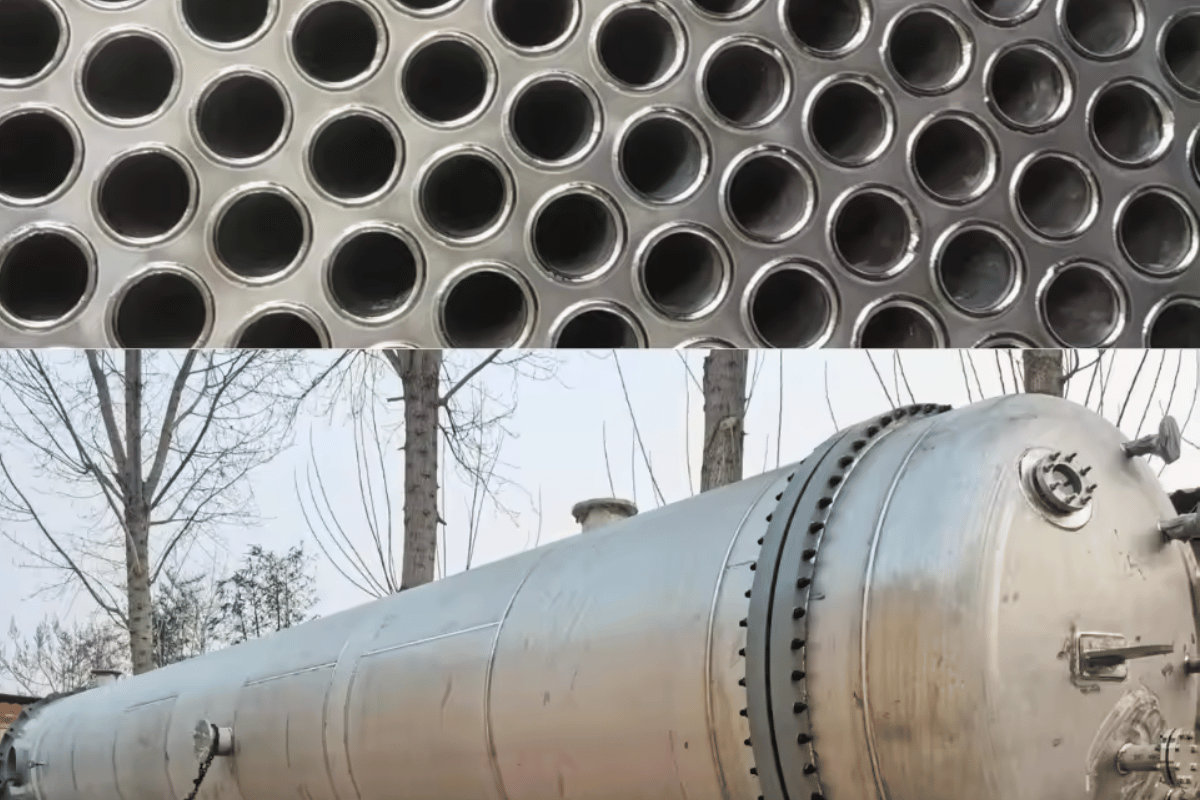
Perform heat exchangers inspection regularly, and look for fouling, scaling, or blockages that may cause a drop in their efficiency. The cleaning process must consist of proper methods, such as chemical cleaning or mechanical techniques depending on the level of contamination.
2. Monitor Performance
Record the performance indicators like pressure drop and heat transfer rates, so that possible issues can be identified at the very beginning. Any unexpected changes might be the indicator for maintenance.
3. Use Compatible Cleaning Agents
Always ensure that the cleaning agents are compatible with the materials of the heat exchanger to avoid corrosion, or even worse, damage to the parts.
4. Replace Worn or Damaged Parts
Remove and replace the seals, gaskets, and other components that have worn out or are about to break. Doing this will eliminate the risks of leaks or failures during the system operation.
5. Maintain Optimal Operating Conditions
Run the equipment at the temperature and pressure limits set by the manufacturer to reduce the stress caused by the equipment operating above its capacities.
6. Document Maintenance Activities
Keep detailed records of inspections, repairs, and cleaning. This not only ensures compliance with the standards but also creates a clear history for future troubleshooting.
Abiding by these methods, the heat exchangers could maintain their efficient operation and longevity significantly, thus providing reliability and guaranteed efficiency in the industrial systems.
Routine Inspections and Assessments
Routine inspections are vital activities to maintain the heat exchangers' operation and prolong their life cycle. Firstly, external damage must be checked; for instance, visible leak signs, areas of corrosion, or dirt pileup. Inspect every connection, gasket, and seal to check if they are entirely intact and properly placed. Continuous performance testing must be carried out to affirm that the flow rates, pressure drops, and temperature changes are within the limits specified by the designers. Any buildup should be immediately cleaned so that it does not result in blockage and does not make the heat transfer process inefficient. Document all the observations to maintain the right records and to also trigger prompt maintenance actions.
Effective Tube Cleaning Techniques
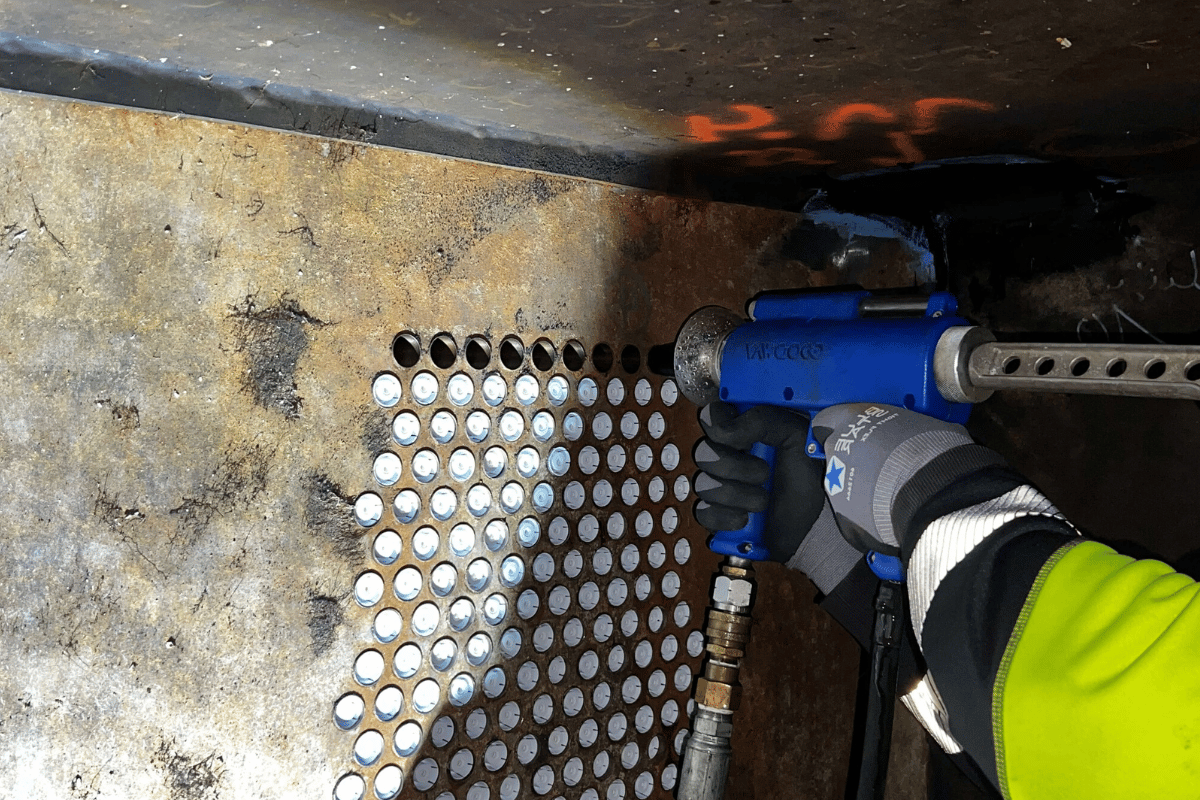
The right cleaning technique should be selected according to the type of fouling present at the beginning of effective tube cleaning. Water flushing or soft brushes use is often enough for light debris or soft deposits. Mechanical cleaning tools like scrapers and abrasive brushes are some of the options for the tougher scale or residue. Chemical cleaning is advisable for the removal of the stubborn mineral deposits or biological growth. It is very important to check if the cleaning agents are compatible with the tube material so as not to cause any damage. Then, after cleaning, the tubes are to be thoroughly rinsed so that none of the residues are left and then inspection for wear or corrosion signs is done so as to keep the performance at its best.
Implementing Foul Prevention Strategies
To effectively get rid of fouling, first of all, try to eliminate the conditions that allow it to form. Control water quality measurements regularly, see to it that the chemical balance is ideal, since high contaminants levels will encourage fouling. Set up a regular maintenance plan that includes cleaning and inspecting and is done to catch the earliest signs of build-up or organisms. Use filters to get rid of the particles and dirt before they contaminate the sensitive parts. Tubes can be coated to prevent the sticking and to increase the resistance to the factors which cause fouling. All preventive actions taken should not only be in accordance with the accepted practices and compatible with the materials used but also planned for the long-run efficiency.
Common Challenges in Tube Bundle Extraction
| Challenge | Description | Impact |
|---|---|---|
| Corrosion and Wear | Tube bundle deterioration caused by fluids and environmental factors over time | Complicates extraction techniques and increases risk during removal process |
| Deposits and Fouling | Accumulation of scale, sludge, or other substances on heat exchanger surfaces | Prolongs extraction process and requires specialized tools for removal |
| Misaligned or Stuck Components | Bolts, flanges, or other parts become misaligned or seized | Hinders removal process and may require additional force or mechanical devices |
| Limited Access or Space Constraints | Tight installation areas with restricted space for equipment and personnel | Complicates extraction job and limits equipment positioning options |
| Damage to Adjacent Parts | Risk of harming surrounding equipment when using improper extraction techniques | Results in additional maintenance requirements and repair costs |
| Safety Risks | Heavy tube bundle handling poses risks of accidents and equipment failure | Potential for personal injury; requires strict safety measures implementation |
Identifying and Addressing Common Foul Issues
Fouling in tube bundle heat exchangers is a widespread problem, which can, in turn, drastically diminish the heat exchangers' efficiency and reliability. The main types of fouling are scaling, biofouling, and particulate accumulation:
1. Scaling
Deposits of minerals from hard water can get built up on the tube surfaces and thus decrease the heat transfer. This problem can be tackled through chemical cleaning at regular intervals and putting water softening systems in place to reduce the mineral content.
2. Biofouling
The gathering of micro-organisms, algae, and bacteria in the tubes may lead to the blocking of passages. The combined use of biocides and regular inspections is a very effective way of controlling and preventing biofouling.
3. Particulate Accumulation
Particles that are not dissolved from the processing fluids or particles from the outside can settle inside the tubes. The problem can be minimized by implementing filtration systems and scheduling flushing cycles.
In order to detect the fouling at the earliest and mitigate its impact on the operations, continuous monitoring along with maintenance plans should be established.
Leak Detection Methods for Tube Bundles
Various efficient means of leak detection in tube bundles exist:
1. Hydrostatic Testing
In this method, the tube bundle is filled with water and then pressurized to locate the leaks. A decrease in pressure or the presence of water leakage is a sign that the area is not intact.
2. Air Pressure Testing
The tubes are filled with compressed air and a soapy water solution is sprayed on the outer side. The appearance of bubbles indicates the position of the leaks.
3. Helium Leak Detection
The gas helium is used as a tracer, which is injected into the tubes while a monitoring device looks for gas that has escaped. This technique is very sensitive and reliable for leak detection even for minute leaks.
4. Eddy Current Testing
A method of testing that does not destroy the tested object, and it relies on the use of electromagnetic fields for detection. This is particularly useful in recognizing tube wall defects, corrosion, or cracks that create leaks.
5. Infrared Thermography
This method employs thermal imaging to discern temperature differences due to leakage and thus facilitates quick and non-invasive inspection.
The early identification of leaks by utilizing these techniques results in minimizing the probability of operational interruptions and preserving the system's reliability.
Overcoming Operational Downtime
Operational downtime can be effectively dealt with by directing attention to proactive maintenance, effective processes, and fast response protocols. The adoption of a preventive maintenance schedule allows for the early detection and mitigation of potential problems so that system failures can be minimized. Moreover, the use of automated monitoring systems means that any irregularities are noticed right away, which leads to quick corrective action. The presence of spare critical parts can considerably decrease the time taken to restore the system to normal operating conditions. Moreover, when the workforce is trained, the company has a competent team that can efficiently deal with the challenges, thus reducing the time taken to solve the problems and keeping the operation going.
Innovative Solutions in Condenser Maintenance
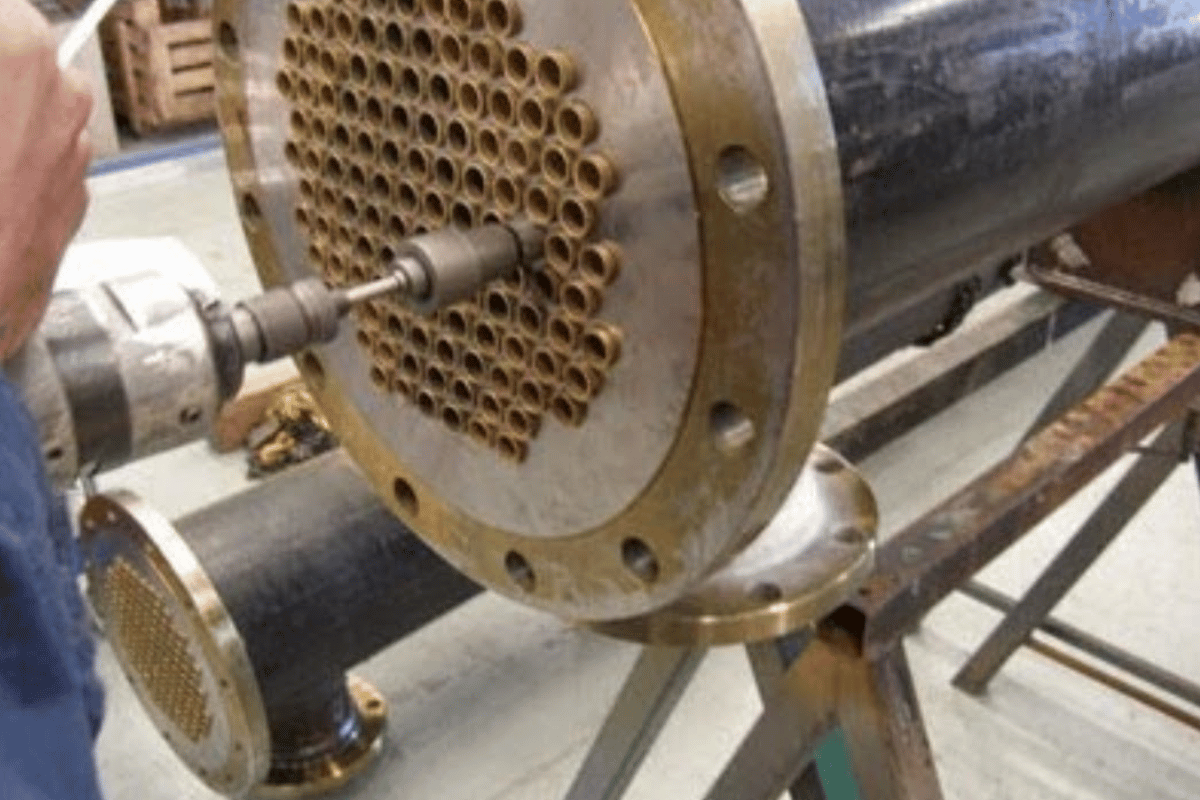
Predictive maintenance has become one of the most efficient methods of keeping condensers working properly. The predictive maintenance system makes use of top-notch sensors and analytics, thus enabling the real-time monitoring of the condition of the condensers. Vibration analysis, thermal imaging, and performance trend monitoring are some of the techniques used by these systems to identify the early signs of wear or inefficiency. The whole approach gives the technicians the opportunity to solve the problems that might come later on if they were not detected, thus the equipment gets a longer life span with less time of it not being operational. The very application of predictive maintenance not only results in the smooth functioning of the operations but also cuts the costs of maintenance in the long run.
Advancements in Bundle Extraction Technology
Technological breakthroughs in bundle extraction have brought about revolutionary changes in the maintenance of heat exchangers by making the process more efficient, accurate, and safe. Today's systems are equipped with robotic arms and tools that can perform the process of bundle extraction and insertion with high precision. Moreover, these techniques apply sophisticated algorithms to determine real-time bundle position thus minimizing the likelihood of errors during the operations.
Furthermore, improvements like hydraulic assist systems and modular extraction platforms have cut down on labor needs while also providing faster and more reliable operations. The use of data analytics and Internet of Things (IoT) technologies has made it possible for operators to not only watch the performance of the extraction but also to fine-tune the procedures based on the insights obtained through predictions. All these innovations lead to the safe handling of equipment, less downtime and longer life span for heat exchanger devices.
Case Studies: Successful Maintenance Strategies
Case Study 1: Proactive Cleaning Programs
A large refinery has implemented an aggressive cleaning program for its heat exchangers based on periodic inspections and continuous monitoring data. The application of auto-cleaning systems has led to a 30% decline in fouling rates, an extension of cleaning interval by 25%, thereby significantly reducing downtime and operational expenses.
Case Study 2: Predictive Maintenance through IoT Integration
The IoT-driven sensors monitoring temperature, pressure, and flow in the heat exchangers of the power plant enabled the continuous observation of these parameters. This technique allowed the maintenance staff to detect the early signs of efficiency loss in the machines and make the necessary repairs before the problems became serious. The result was a 40% reduction in unplanned maintenance and increased reliability of the equipment.
Case Study 3: Materials Upgrade Initiative
The chemical processing plant decided to install corrosion-resistant alloys as the hard-wearing heat exchanger materials after multiple premature wear incidents due to harsh operating conditions. Such a material selection resulted in a 50% reduction of corrosion damage during 5 years, therefore, the life of the equipment was extended and better stability of performance realized.
Future Trends in Heat Exchanger Maintenance
Innovative predictive maintenance technologies, superior materials, and automated processes will ultimately lead to a complete transformation of heat exchanger maintenance. Predictive maintenance will be the result of the integration of sensors and analytical systems into the process of monitoring the machinery. The health of the equipment will be monitored continuously so that problems will be detected and solutions offered before the equipment breaks down. The introduction of modern materials that have high corrosion resistance will be of immense help to the existing durability of the operation, which will in turn reduce the number of repairs and their costs. Furthermore, cleanings and inspections will be the domain of automation and robotics; their work will be so effective that there will be no sudden stops in the production process and the risky area will be safer. These tendencies are believed to coordinate and thus create a scenario where the processes will be more efficient, costs will be lower, and heat exchangers in the industrial sector will have a longer lifespan.
Frequently Asked Questions
What is the main role of a condenser in a thermal plant?
In a thermal power plant, the water (condensate) of the steam surface condenser is a key heat exchanger that exhausts the steam coming out of the turbine back into water. The phase change caused by the cooling of turbine exhaust steam to the condenser creates a vacuum which not only allows to the maximize the efficiency of the turbine but also lets the water be pumped back to the boiler for reuse. Maintaining the vacuum is critical to the thermal efficiency and electricity generation of the power plant.
Why is it that bundle extractor is a must for condenser maintenance?
Condenser tube bundles are heavy-duty items, usually weighing several tons and being several meters long. It is not feasible to manually remove them and traditional crane rigging can be either dangerous or impractical because of limited space within the plant structure. A bundle extractor is a specialized hydraulic machine that can grip, pull and support the entire weight of the tube bundle making it possible to safely remove it horizontally from the condenser shell for cleaning, inspection or replacement.
What are the steps involved in the operation of a bundle extractor during the maintenance process?
The operation commonly involves the following steps:
Positioning: The extractor is raised into position (commonly by a crane) and accurately oriented with the condenser shell.
Attachment: The extractor is firmly fastened to the shell flange to create a stable base.
Extraction: A hydraulic pulling device is connected to the tube sheet and it applies huge force to break the seal and move the bundle over to the extractor's carriage.
Balancing: The extractor's internal balancing apparatus changes as the heavy bundle shifts outward to keep the load steady and horizontal.
Lowering: After complete extraction, the whole unit is dropped to the floor for moving to a cleaning area.
What are the main difficulties related to the extraction of condenser bundles?
Space Constraints: Power plants have very limited space around the equipment. Rigging large extraction equipment into position requires very careful planning and sometimes custom rigging solutions.
Adhesion: With time, the fouling, corrosion and seal degradation can make it impossible for the tube bundle to move or even stick to the shell requiring substantial breakout force to start the tube bundle moving.
Structural Integrity: Support plates or tubes of older bundles may have undergone corrosion. Extraction must be done with the right support under the bundle in order not to allow sagging or collapsing under the weight of the bundle.
What are the maintenance actions done after the bundle is taken out?
After the bundle is taken out and moved to the maintenance site, many essential actions take place:
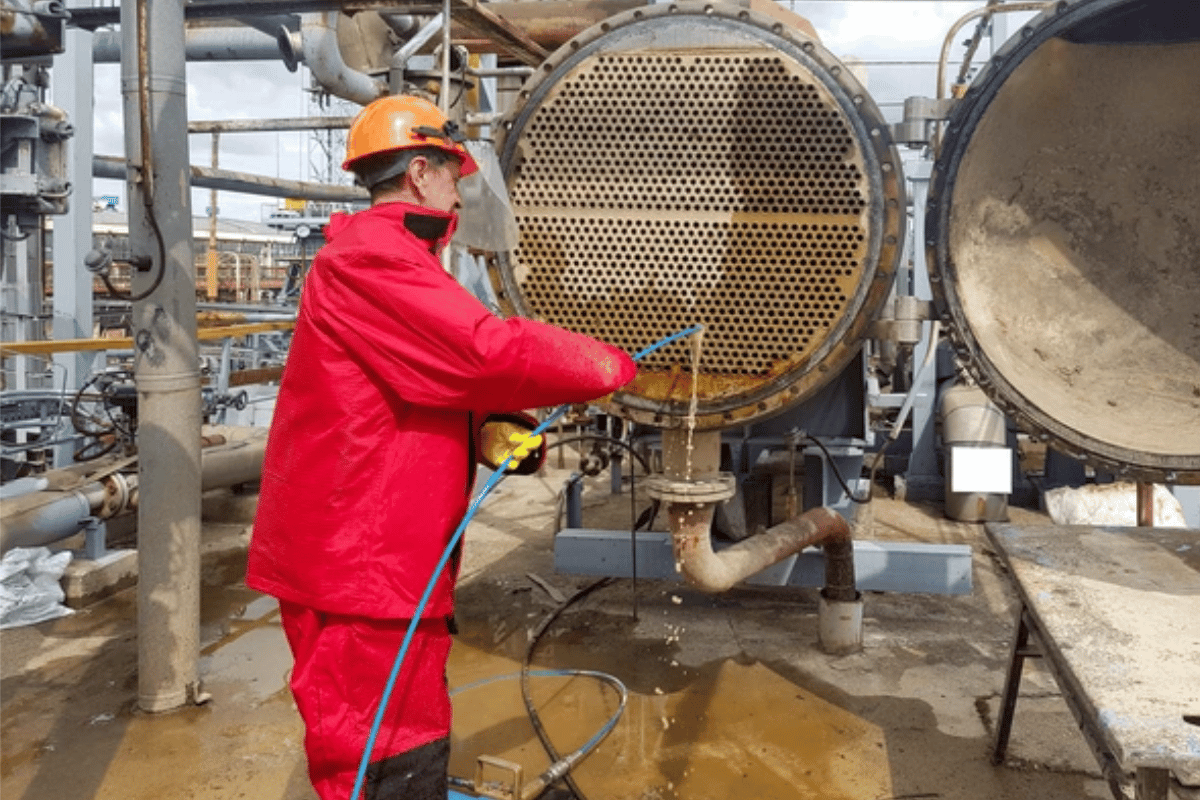
High-Pressure Cleaning: Hydro-blasting is applied to eliminate scale, biological growth, and sediment from both the inside (tube side) and outside (shell side) of the tubes.
Non-Destructive Testing (NDT): Unlike common inspection methods that rely heavily on the visual appearance of the tubes, NDT, such as Eddy Current Testing (ECT), can be used to identify problems like pitting, wall thinning, and even cracks.
Retubing or Plugging: Tubes that have been damaged are marked for plugging. If the damage is small, tubes may be plugged. If widespread, the entire bundle may be retubed.
How does the bundle maintenance that is performed regularly affect the power output of the plant?
The regular maintenance has a direct influence on the performance of the plant. A clean condenser guarantees the maximum heat transfer which keeps the necessary vacuum pressure at the turbine exhaust. If the condenser is dirty, backpressure goes up and the turbine has to work harder to produce the same amount of energy. Consequently, the fuel consumption increases leading to higher operational costs. Moreover, routine inspections avert tube leaks that might taint the high-purity boiler feedwater.
What are the safety measures that are specifically applicable in the case of using bundle extractors?
Safety comes first when it comes to moving heavy loads.
Load Calculations: The weight of the bundle (including fouling and trapped water) has to be precisely calculated to ensure that it does not go beyond the extractor's Working Load Limit (WLL).
Exclusion Zones: A strict boundary must be set up around the extraction zone to prevent staff from being affected by hydraulic failures or dropped loads.
Leveling: The extractor must not be tilted even a little bit during the pull. If the alignment is off, the bundle can bind against the shell, potentially causing catastrophic equipment damage or structural failure.
Hydraulic Safety: Before operating, all hydraulic lines and connections must be checked for leaks or wear because the system is under extremely high pressure.
Reference Sources
1. Our Heat Exchanger Bundle Maintenance Tool
This article outlines the tools that are used for maintenance like pulling and jetting that make the process of servicing both efficient and safe.
2. What is Tube Bundle Extractor and How Does It Work
This article explains the role of tube bundle extractors in maintenance and also indicates their efficiency in reducing the downtime.
3. Diesel Bundle Extractor - Petroleum Industry
This article narrates the story of the mighty bundle extractors that are used for the removal of the condenser bundles which are long and heavy in thermal and combined-cycle power plants.
4. Heat Exchanger & Boiler Tube Repair & Overhaul
This article treats the subject of the technical and logistical aspects associated with the maintenance and repair of steam turbine condensers and other heat exchanger systems. Bundle Puller & Bundle Extractor Equipments
The references listed above provide a detailed account of the equipment, techniques, and maintenance standards that are employed in power plant condensers which are utilizing bundle extractors.