
 Chinese
The global energy industry depends on oil refineries for processing and the production of fuels and chemicals that are modern life's main sources of energy. Of course, the difficulties in running the maintenance operations of these elaborate structures are not easy to overcome, with the extraction of bundles—the maintenance of heat exchangers being a big part of it—one of the most difficult to manage. Apart from the long period of taking the facility out of service, the hazards that come with the process and the high costs involved, bundle extraction is often a major cause of reduced efficiency in the refinery. This blog will shed light on the various issues related to bundle extraction and at the same time, pitch creative solutions that would help in speeding up the process. The insights gained from this article would be useful even if you are a refinery manager, engineer or just an industry enthusiast, to say the least, in the context of avoiding these hurdles and thus attaining smoother operations and higher production.
Understanding Bundle Extraction in Refineries
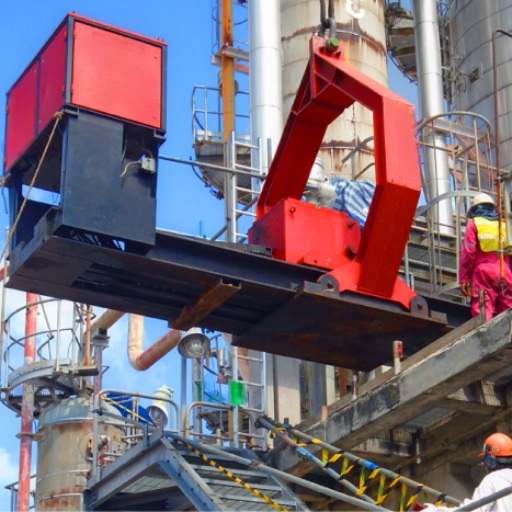
Bundle Extraction in Refineries means taking out of bundles like heat exchanger tubes for maintenance, cleaning, or swapping. These are the main parts that keep the refining processes at the right temperature and save energy and money. Bundle extraction, if done correctly, allows better performance of the equipment and reduced downtime. The whole operation usually relies on special instruments and methods to carry out the extraction process without harming the structure or the equipment around it. Very difficult problems which include getting to the place, lifting the heavy loads, and lack of time should be properly managed in order to get the extractions done successfully and quickly.
What is Bundle Extraction?
Bundle extraction is a significant maintenance procedure and one that is done quite often in industrial facilities, especially in the petrochemical, power generation, and refinery sectors. It involves the extraction of tube bundles from shell and tube heat exchangers for cleaning, repairs, or replacement, among other reasons. Heat exchangers are essential for heat transfer between fluids, and their efficiency has a direct effect on the entire plant's performance. Gradually, deposits like scale, sludge, or other residues can build up in the cooling water circuits, hence, causing a reduction in the heat transfer efficiency and even delaying the processes.
The modern tools and technologies have made the bundle extraction process quite easy and quick. The use of hydraulic bundle pullers, automated lifting systems, and sophisticated inspection devices allows the technicians to work with heavy tube bundles safely and in a short time. The increased demand for these services points to a trend towards sustainability, where bundle extraction favors the life cycle and reuse of component parts rather than full replacements. This procedure is indispensable for the upkeep of a plant's operational efficiency, for compliance with safety norms, and for cost-effective industrial equipment in the long run.
The Role of Tube Bundles in Heat Exchangers
Tube bundles are vital in heat exchangers as they allow the transfer of thermal energy between different fluids. They usually consist of several tubes arranged in a specific way and thereby making possible for the fluids to interact through the whole tube area and thus the heat exchange becomes efficient. The tube bundle technique is one of the reasons behind the productivity of the petrochemical, power generation, and air conditioning industries, as they are made to perform at varying temperatures and pressures.
The main reason for the success of tub bundles is their ability to handle different fluids, namely gases and liquids, which can flow inside or outside the tubes depending on the design. They also guarantee good temperature control which is essential for the industry. Their structure is modular and therefore it is easier to conduct maintenance as the damaged bundles can sometimes be repaired or replaced without the need for taking the whole system apart. Providing such a benefit not only helps the user in operational terms but also in terms of costs and the environment by reducing the need for frequent replacements of the heat exchangers.
Importance of Efficient Bundle Extraction
Bundle extraction is a major component enhancing the effectiveness and life of heat exchangers. It is very significant in energy, chemical processing, and manufacturing systems, in particular, where financial losses due to downtime can be rather significant. In addition to the use of recent data and insights focusing on rapid and effective tube bundle extraction and reinstallation, there are preferred means and form of minimizing downtime in traditional heat exchangers, which are easy on operational efficiency as a whole. Also, recent innovations in methods and tools for extraction have drastically reduced the effort and time needed in the exercise. The result is good maintenance to safe workplace environments, with reduced manual handling risk. And hence, following the most recent industrial best practices in efficient bundle extraction systems ensures the maximization of the system performance for further-reaching long-term sustainability goals.
Challenges in Bundle Extraction
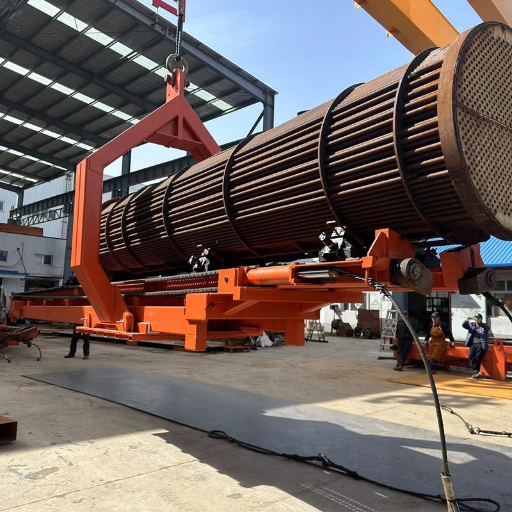
Bundle extraction continues to be a difficult task even with the technological advancements. Very elaborate systems can design an accessible area thus making it hard to reach some parts without a thorough disassembling of the system. Also, the cleaning up of residues like corrosion or deposits may be a hindrance in the extraction process to a greater extent, thus calling for either cleaning or specialized tools. Industrial environment time constraints usually impose a sort of pressure, enforcing a safety-free-efficient-execution. Besides, the price of modern equipment along with the cost of skilled labor can be a deterrent for some organizations and thus the necessity for both cost-effective and reliable solutions is felt.
Operational Challenges During Turnarounds
A challenge of great magnitude that is at the centre of processes during turnaround situations, is bundle extraction and its safe and efficient handling. The presence of limited heat exchangers in small places can make extraction operations difficult and also more prone to accidental damage. To complicate matters, delays sometimes happen because teams have different schedules or the necessary equipment is not available. Poor planning or improper coordination can result in longer downtime, thus raising both costs and risks to operation. The requirement of keeping up to safety standards, under time pressure, is the icing on the cake when it comes to complexity.
Technical Issues with Tube Bundle Extractors
Tube bundle extractors are indispensable tools in the procedure of extracting and replacing tube bundles from heat exchangers, yet they come with several disadvantages during the whole operation. Among these, the hydraulic failure is the most considerable and dangerous issue. It can happen because of leaks, pressure inconsistencies, or slowly wearing out the parts in the system. Such failures can delay the extraction process and make it difficult to achieve the requisite skill for safe and efficient extraction. Moreover, alignment problems occur often especially with older or corroded fittings.
The misaligned extractors can exert extra stress on the tube bundles and this may lead to the formation of structural defects. Another area where the limitations of the extractors come to play is the fact that their maneuverability is mostly restricted particularly in tight spots or when the heat exchangers are positioned in complicated industrial layouts. The lack of flexibility can cause the positioning to be not right. Also, the massive stress experienced by the machines during the extraction can result in their breakdowns quite often or force regular maintenance. The working efficiency of these instruments is largely dictated by the presence of skilled workers, which adds yet another complexity layer in the case of industries suffering from a short supply of trained manpower.
Safety Risks Associated with Bundle Extraction
Present are heavy machinery and the high-pressure situation as the main causes of risks to safety in the extraction of bundles. Workers are generally surrounded by hazards like heavy machinery malfunctioning, objects falling, or accidentally coming into contact with hot surfaces. Such incidences can leave them severely injured if safety prevention is not followed to the letter. Such exemplary scenarios may see accidents considerably rising if the machine is operated incorrectly or if no training was given. The implementation of strict safety guidelines, regular inspection of equipment, and comprehensive work-related training are all very important toward the assurance of worker safety.
Innovative Solutions for Effective Bundle Extraction
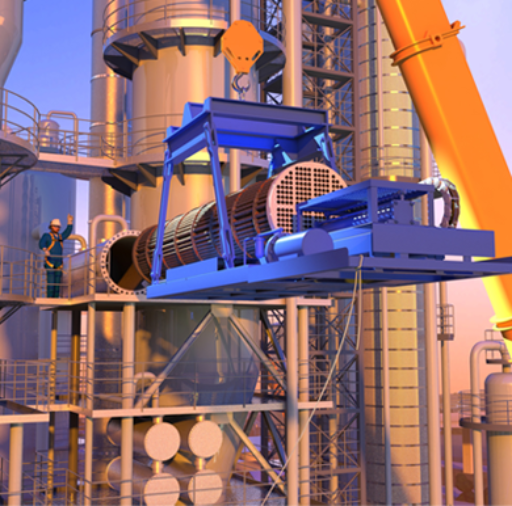
In order to carry out effective bundle extraction, it is necessary to choose innovative solutions. Among the approaches taken is the one of incorporating cutting edge automation technologies, like robotics, in order to make the extraction process less human dependent and faster. Moreover, the application of machine learning algorithms would not only provide accuracy but also maximize throughputs by processing data instantly. Continual servicing of equipment and usage of strong and quality parts keep production at a steady rate and also lower the chances of breakdown. Also, giving full training on the most modern technologies and safety measures to the employees contributes to the increase in productivity while at the same time creating a safe work atmosphere.
Advancements in Specialized Bundle Extractors
The latest innovations relating to specialized bundle extractors have concentrated on augmenting their efficiency, accuracy, and longevity. The cutting-edge configurations utilize high-tech sensor systems as a means of providing reliable positioning and minimizing mistakes throughout the extraction operation. At the same time, the combination of automation and AI has remarkably accelerated and made these devices more dependable, thus providing real-time corrections and self-testing functions. Not to mention, the implementation of light but strong material has not only extended the life span of the machinery but also reduced the need for maintenance. All these developments make it possible for the industries to operate more efficiently and produce more.
Integrating Automation and Robotic Technologies
The application of cutting-edge automation and robotic technologies has revolutionized the domain of bundle extraction and made the whole process more efficient and accurate. Such systems have high-definition sensors along with machine learning as the basis for their working which lets them find out, classify, and remove bundles with exceptional precision. These robots can not only harness the power of real-time data processing and adaptive programming but also alter their operations according to the changes in demand or material inconsistencies.
Moreover, the integration of automation and predictive analytics is a significant advancement for industries because it enables them to anticipate and optimize their workflow. The collaborative robots, also known as cobots, are fully conscious of their position as they cooperate with human workers not only to elevate the total productivity but also to provide security. These cutting-edge technologies, together with AI, are not only reducing the physical labor but also making the mistakes in the area of bundle extraction less frequent thus leading to a brighter and greener future.
Best Practices for Heat Exchanger Maintenance
Critical Safety Procedures in Bundle Extraction
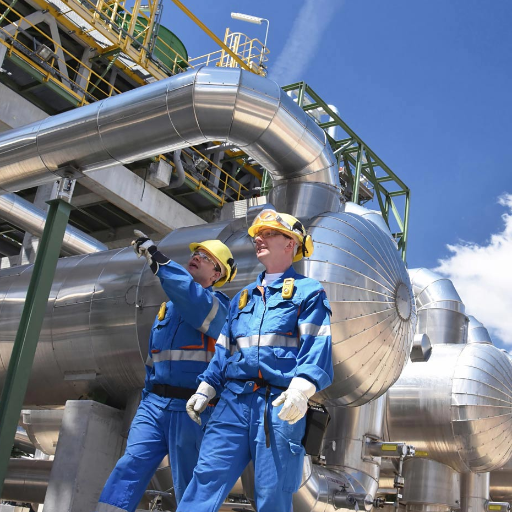
When extracting a bundle, security should come first to protect both the staff and the machineries. There are certain prerequisites for safety:
Pre-Job Walk-Through - It is mandatory to closely scrutinize the job site for any possible hazardous conditions and to confirm the level of preparedness for the extraction cases.
Using Proper Personal Protective Equipment (PPE) - It should be ensured that all workers are wearing the correct protection, such as helmets, gloves, and, also, safety shoes to curtail the opportunities for injury to themselves.
Get the Machinery Secured - Do an inspection of lifting and handling equipment to ascertain its capacity for the involved load and eliminate the facilities likely to encounter accidents during the intended category of working.
Employ the Standard Operating Procedures - Keep to stated methodologies and the manufacturer's recommendations for the extraction to sustain control and work safety.
Formalize Communication - Establish straightforward and direct channels for communication across the various team members with regard to the consequences of miscommunication and disjointed operations.
These necessary safety measures could drastically reduce the risks attending the removal of bundles.
Identifying Safety Risks in the Extraction Process
There are several major safety hazards that have to be controlled while affecting the removal operation to prevent accidents and injuries.
Equipment Malfunctioning -- Equipment breakdown can lead to immediate risk of abrupt halts and sways. Consequently, equipment is to be regularly inspected and maintained to avoid such conditions.
Failure in Handling -- A dropping bundle moves due to improper extraction, leading to a loss of control and balance; thus, proper and safe actions are the pressing demand for the monolithic crew's protection and that of the structures.
Environmental Holes - Extreme environmental life-conditions contribute to slippery surfaces, with all level wet surfaces being the obvious prerequisites; a significant hazard, rather dangerous activity on the plank (e.g. scratches), might accompany more leads to a bend with slip, trip and fall events.
Inadequate Knowledge - Workers not properly trained are the leading contributors of work-related mishaps as they lack knowledge on issues like making misguided decisions, operating equipment improperly, and overlooking procedural instructions.
By acknowledging the risks upfront, the groups can install appropriate preventative measures, building a controlled, effective extraction process.
Personal Protective Equipment (PPE) Requirements
The Personal Protective Equipment (PPE) that is completely mandatory serves as a guarantee for the personnel involved in extraction in order to avoid any potential safety threat to them. The PPE types as classified are:
Helmet
Prevent any head injury from dropping materials or debris.
Protective gloves
Protection of cut, scar, or contact of hazardous substances on the hands.
Goggles
To protect eyes from dust, particles in flight or chemicals-either from chemicals.
Steel boots
Protect feet from injury caused by heavy objects or uneven surface.
High-Visibility Clothing
It makes workers more visible in dark or crowded areas.
Hearing Protection
It minimizes the risk of damage to hearing that is often caused by noise during extraction work.
The efficiency of PPE is determined by its proper usage and maintenance. Workers are required to carry out inspections on their equipment before they start using them, to get rid of any broken items immediately, and to make sure that all PPE is worn in the right manner for maximum protection.
Emergency Response Planning for Extractor Failures
It is plans for emergencies that respond properly which will manage the extractor failures and also make the personnel and the equipment safe. The very first thing that should be done is a risk assessment, through which failure scenarios and their impact will be recognized. After the risks have been recognized, the next step is the introduction of clear procedures for isolating and shutting down malfunctioning extractors so that the damage or hazards do not spread.
Training of personnel is yet another aspect of preparation, which is really important. Workers should be made aware of such problems as unusual noises or changes in the performance of the extractor, and the staff should also be trained to follow the emergency protocols in case of such a problem occurring. Moreover, there should be a communication line in place to inform the supervisors and the emergency teams at once as part of the emergency response measures.
The companies should have enough backup equipment and critical spare parts available so that they can react swiftly and easily in the case of an equipment breakdown. Regular inspection, maintenance schedules, and real-time monitoring can also similarly reduce the level of unwanted breakdown surprises. The use of these methods also means that the companies will have less solid plans for dealthana extractor failure and, at the same time, will enable themafe operation of their machinery.
Best Practices for Bundle Extraction
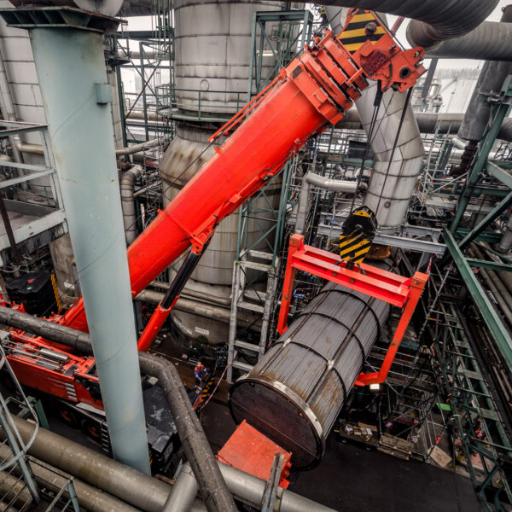
For effective bundle extraction, the very first step you take should be the assessment of the specifications of the equipment to make sure their operational requirements are met. Apply top-notch, well-maintained tools and equipment to completely avoid any delays or even damaging the process. Conduct training for the personnel, who will be dealing with the extraction, on safe and proper techniques according to the standard operating procedures. Moreover, conduct a thorough pre-extraction inspection to spot the potential risks, and have good communication among all the team members to prevent misunderstandings. Last but not least, keep records that will be very detailed regarding the extraction activities, for the purposes of future reference and continuous improvement process.
Planning for Efficient Tube Bundle Extraction
Preparation means ensuring efficient and safe tube bundle removal by doing the work right. To ensure start-on-time, accident-free provision of our service, equipment and job site surveys are vital. I instruct my crews about the importance of being absolutely safety conscious in order to ensure that companies select the proper extraction tool for picking the bundle and that they avoid stupid but serious mistakes. My teams are drilled to look for and report all problems that they find during the pre-extraction inspection, including structural weakness, possible blockage etc. I always involve my teams during the discussion on timeline updates and work updates, benefiting everyone. Precise documentation aids in the follow-up on progress, eases the learning from previous extractions and helps us set standards higher everytime.
Execution Strategies for Safe Bundle Extraction
Post-Extraction Procedures and Maintenance
The post-extraction procedures are crucial following the extraction process, for safety and avoiding damage to the equipment, and also for the preparation of the next operation. The very first thing to do is to inspect thoroughly the extracted bundle and the machinery related to it. Look for any signs of wear, cracks or any other damages that may render the equipment unable to function. Then, clean all the equipment very well so that no residue or debris is left behind, which can cause long-term deterioration or inefficient performance of the equipment.
The lubrication and recalibration of the moving parts play a critical role in assuring the machine's smooth operation in its next use and beyond. Equipment state and maintenance, with the help of maintenance journals, must be noted on any trouble or suggestion documented for future references. The use of certain modern digital tools such as maintenance tracking apps could greatly simplify this process.
Finally, successful site assessment includes a careful review of any potential structural and environmental concerns since history of the extraction work. Going proactive and attending to minor issues on time may save you from costly repairs or delays. When combined with references extracted from online resources and search engines, these policies could lead to higher maintenance efficiency and comfort during the long-term operation.
Frequently Asked Questions (FAQs)
Reference Sources
Heat Exchanger Fouling Model and Preventive Maintenance Scheduling Tool: This study focuses on fouling in heat exchangers and the importance of maintenance, which is directly related to bundle extraction processes. Source
Joint Economic Optimization of Heat Exchanger Design and Maintenance Policy: This paper explores the economic aspects of heat exchanger maintenance, including strategies that can be applied to bundle extraction. Source
Maintenance and Cleaning of Heat Exchangers: This research highlights the critical role of maintenance and cleaning in heat exchanger performance, providing insights into challenges faced during bundle extraction. Source
Petroleum Refining Operations: Key Issues, Advances, and Opportunities: This article discusses key operational challenges in oil refineries, including maintenance processes like bundle extraction. Source