
 Chinese
Among the most critical and complex operations in the energy sector is the turnaround of a refinery, which is carried out with the utmost precision, efficiency and safety. This process is mostly carried out using one major tool: a bundle puller. The bundle puller is intended to simplify the process of removing, inspecting and replacing heat exchanger bundles during turnarounds and therefore reduces turnaround time to a great extent. In this blog outline, we cover the best practices when it comes to the use of the bundle puller in refinery turnarounds, as well as provide ways to increase efficiency, create helpful guidelines on maintaining high safety, and achieve high levels of project quality. Regardless of your role; project manager, technician or engineer, this guide will look to offer actionable advice and useful points on how a turnaround can be enhanced.
Understanding Bundle Pullers and Their Functionality
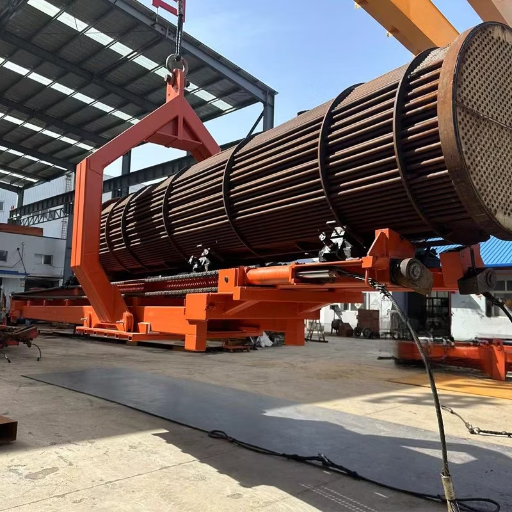
A bundle puller is specifically for the purpose of removal and insertion of heat exchangers during plant maintenance activities at refineries and associated plants. The main feature of these pullers is that they perform extraction or insertion of buncles with great ease and minimum turn out time, thus turn around and enhanced working conditions. Such devices work usually on hydraulics or mechanical systems as it is needed to engage with bundles of any weight and dimensions efficiently. They increase productivity and safety by eliminating fatigue-causing activities like lifting and lowering heavy objects.
What is a Bundle Puller?
A bundle-puller is an industrial device used for removing and mounting heat exchanger tubes, particularly bundles, during operations such as repair and maintenance. Most bundle-pullers are found in oil industries and organizations dealing with power generation, petrochemicals or even gas as they help in the easy handling of such tubes. The current bundle-pullers are made with the latest technology to achieve accuracy and efficiency and in most cases control mechanisms will include hydraulic or electric systems. Bundle pullers have advanced beyond the conventional focal length of wheeled enhancement of the manufacturing processes. Niche industries have excruciating prerequisites to cut down the plant operational plunge interval and this is achieved through such changes.
Types of Bundle Extractors
There are several types of bundle extractors, including manual, hydraulic, pneumatic, and motorized extractors.
| Type | Mechanism | Power | Usage | Capacity |
|---|---|---|---|---|
| Manual | Hand-operated | No external | Small-scale tasks | Low |
| Hydraulic | Hydraulic | Hydraulic pump | Precision tasks | High |
| Pneumatic | Air-powered | Compressed air | Quick operations | Medium |
| Motorized | Motor-driven | Electric motor | Heavy-duty work | Very High |
Role of Hydraulic and Aerial Bundle Extractors in Refineries
Strategically positioned hydraulic and aerial bundle displacement/removal extractors are indispensable in enhancing oil processing plant services by maximizing operation time and decreasing operational related interruptions. The hydraulic extractor is equipped with a highly specialized removing device in the form of a hydraulic pump, which is able to efficiently draw out massive heat exchanger bundles, all the while ensuring that the handling equipment is not in any way compromised. They also have the advantage of operating heavy loads which may be the case for refined hydrocarbons industries because the heat exchanger facilities with all their components are often very large and may require careful handling.
Meanwhile, certain bundle pullers are designated and designed to function in areas where such reach heights are expected, with reliance on sophisticated self-propelled aerial work platforms. Their role is to facilitate the lifting, positioning and transporting services of the bundles from height areas, as this in particular set ups in refineries are usually tightly spaced leaving little or no room on the ground level. Such bundles of tasks help in safely reducing the duration of maintenance activities looking through the manual involvement perspective.
The comprehensive cleaning, inspection, and repair activities of various heat exchanger units that are installed in each refinery is thus made easy with the aid of hydraulic and aerial bundle pullers. Enhancing the efficacy of the process, minimizing labor effort and improving the safety of the workers are the most significant benefits which depict why otherwise, it would be impossible to overlook the role these devices play in the disruptive refining industry.
Importance of Heat Exchanger Maintenance
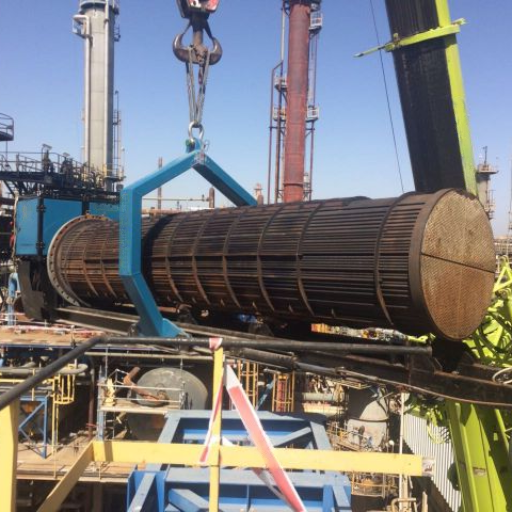
For pre-burst maintenance, regularization of heat exchangers, ensuring of some positive performances for energy efficiency over the long term. Maintenance may help locate fouling, corrosion, or any other unwanted phenomenon that actually decreases heat transfer efficiency of heat exchangers. Following which, the equipment may face failure and costly downtime ruining its operation. The refinery goes on projecting various routine cleaning, inspection, and remedial corrective measures on time to mitigate the risk of sudden failures and beyond. This leads to continuity of production with a final cost of operations savings.
Overview of Heat Exchanger Systems
In its simplest sense, heat exchanger is a specific device that moves heat around as required from one fluid to the other. In power generation, petrochemical production, HVAC, and even pharmaceuticals, heat exchangers help systems improve their thermal performance and control the temperature within the system. The heat exchanger process is predicated on the energy transfer by heat conduction and convection principles. Common types of heat exchangers are shell-and-tube, plate type, and air-cooled heat exchangers. Each one provides heat exchange efficiency of different levels, which is dependent on the heat transfer characteristics, fluid properties, and space limitation of the application. Undoubtedly, the benefits are far-reaching in maintaining operational efficiency and promoting the procedure of sustainable energy management.
Benefits of Regular Maintenance
Higher Efficiency: Regular maintenance is essential for the heat exchanger to operate with different conditions, as heat may be not transferred efficiently due to scaling, fouling, and blockages.
Longer Service Life: Regular monitoring and cleaning keep the heat exchangers in sound condition, thus preventing wear and tear and steadily extending the service life with decrease occurrences of expensive replacement.
Cost Savings: Maintenance supports the heat exchangers' efficiency, thus avoiding turnouts and causing big investments while maintaining substantial savings throughout the operation of the system.
Safety Stay: Defective heat exchangers may lead to mechanical failures and leaks and jeopardize the entire system's safety in operation once the heat exchanger is in good condition.
Environmentally Friendly: If clean heat is in, it sets providing heat to the system, and the system is almost energy and economically feasible and thus rather becomes environmentally beneficial in ways that also help to reduce the US carbon footprint as well as tangible sustainability.
Challenges in Heat Exchanger Servicing
Obstruction and Clogging: In the course of time, heat exchangers are bedevilled with fouling from scales, sludges, or corrosion byproducts, all of which could tremendously affect their efficiency but can be cleaned then to reinstate the efficient operation.
Accessibility issues: Most heat exchangers are installed at those backbreaking places where servicing and inspection can be done only with the right tools and technicians helping.
Downtime Constraints: Servicing involves complete shutdown of the plant, a factor that imposes severe constraint regarding timing, leading to downtime, thus incurring substantial financial losses.
Material Degradation: Over time, the materials start deteriorating under heavy loads of high temperature, pressure, or corrosive substances, and need to be inspected closely so that components may need to be replaced.
Specialized Knowledge: Adequate inspection of a heat exchanger design based on what is written, and undergoes the application on certain conditions upon which the trained personnel base their skills in handling the exchangers.
Industry Best Practices for Heat Exchanger Extraction
Low Complexity
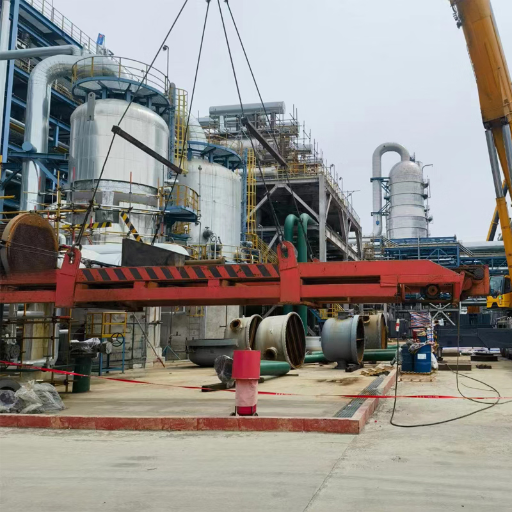
Strategy Development is detailed for the selection of special accessories that must be designed specifically to protect the heat exchanger considering design, location, dimensions, and other relevant operating guidelines with the essential aim of preventing failures and shutdowns.
Safety First
It's enough to supply for the safety of all personnel. They all must equally come with the right personal protection gear and know their tools.
Special Tools
Heat exchanger extraction machines are used to prevent damage to the unit and adjacent structures.
Teamwork
All personnel must be well-prepared and communicate well in the operation.
Reins-and-Bolts Restoration and Examination Done
The last step is the extraction of cleaning and examination for any possible wear or severely damage. The work deemed to be indispensable before reinstallation has to be documented.
Documental Job
A large wealth of posted information is mandatory to secure the operation since the plant will have a ready reference to the extraction proceedings.
Step-by-Step Extraction Process
Preparation: Provision all necessary tools, equipment, and safety gear for the extraction process. Ensure the workspace is not littered with tools or any other obstacles.
Safety Inspection: Inspect the area for safety and make sure everyone pays attention to details.
Turning Off Equipment: Disconnecting power from the system or machinery when it is not in use spells safety. That eliminates accidents arising from the extraction process.
Assessment: Realize what exact part does need to be extracted and evaluate the parts involved in its structure and connections.
Removal of the Component: Carefully extract all wiring, fasteners, or bolts from where they are holding the component in place, using the manufacturer's proper steps.
Be Careful during Extraction: With the appropriate tools, remove the component gently in a way such that there is no fear of damage to the component itself or its adjacent parts.
The Component should be Inspected: The condition of the extracted component must be assessed for any signs of wear, damage, or contamination that are confirmation that something needs to be done before reinstallation can proceed.
Clear Up the Work Area: Once the target component is removed, clear the debris or any other residues or foreign matter left behind in the path of the extraction process to maintain cleanliness of the environment for future maintenance tasks.
All Noted down When Finally: Keep detailed records of all procedures leading up to the final extraction process and conditions of the component extracted onto the maintenance records and troubleshooting purposes.
The Component needs to be Secured: The extracted part, if possible for future use, shall be stored in a clean and secure area to protect against dust, moisture, or physical damage.
Common Pitfalls to Avoid
Not Identifying Site: Not proceeding through a site inspection may lead to unidentified hazards or obstructions that dramatically increase the damage or harm that may be encountered.
Using Wrong Tools: In cases where incorrect, poorly maintained implements are put to work, the operation is put at high risk of breakage or property damage.
Dismissing Safety: Without using personal protective equipment (PPEs) properly or adequately supervising safety guidelines can be the cause of severe injuries and fatalities on your part.
The Force Factor: Too forced an extraction would no doubt damage the harvest mass and the machinery that surrounds it, in turn inducing some costly cash for repair services.
Poor Communication: When a team has a very poor communication in terms of organizing optimizations for the entire system, it can lead to complications, build-up delays, or production loss.
Cleaning and Storage Overlooking: The products extracted by bypassing cleaning and storage standards automatically compromise functionality and product lifetime.
The extraction process can only be conducted in safety and in full efficiency if failing to avoid those common traps.
Optimal Techniques for Efficient Bundle Pulling
Efficient bundle pulling requires careful preparation, the use of sophisticated equipment, and proper adherence to best practices. Here are some techniques which pullers could carefully consider:
Comprehensive Inspection Prior to Commissioning
A pre-operation inspection should be carried out on the bundle and its surrounding equipment. This serves to ensure that any anticipated obstructions or weaknesses can be identified-and thus be removed-upon which would invariably cause unwarranted time delays or equipment failure if allowed to remain as it is.
Utilization of Specialized Equipment
Invest in modern, sophisticated, well-maintained tools for pulling bundles, and hydraulic pullers are a good example of specialized tools for pulling bundles in an effective and safe manner.
Communication Channels set up Early in the Operation
This is essentially the channel that communicates amongst the team members; clear communication channels through which all workers wear headgear or use what other communication system. Everybody will be totally in-sync during the job; this reduces human-based errors significantly so worker safety is increased.
Adequate Cleaning, Lubrication, and Inspection
Apply lubricants at suitable spots to make the action smooth and minimize possible harm that can happen due to handling forces while pulling a bundle. In addition, check them clean before running and accordingly do servicing to looking after extraction instruments.
Make Safety a Priority
Introduce stringent safety procedures ensuring safety for workers by allowing and providing the required personal protection equipment and an instruction session. Periodic training in safety practices and rigorously adhering to industg standards have proven beneficial in forestalling accidents.
Post-Operational Maintenance
Have it cleaned up and stored for later use with extreme cleanliness. To improve any potential follow-up work requests and to assist in maintaining, it would be smart to keep documentation of the operational event.
From the utilization of good practices and constant updating knowledge from the world of technology to initiatives like real-time monitoring systems and AI-driven diagnostics, bundle removals can be transformed into much safer tasks.
Safety Standards and Regulatory Compliance
Safety Protocols During Refinery Turnarounds
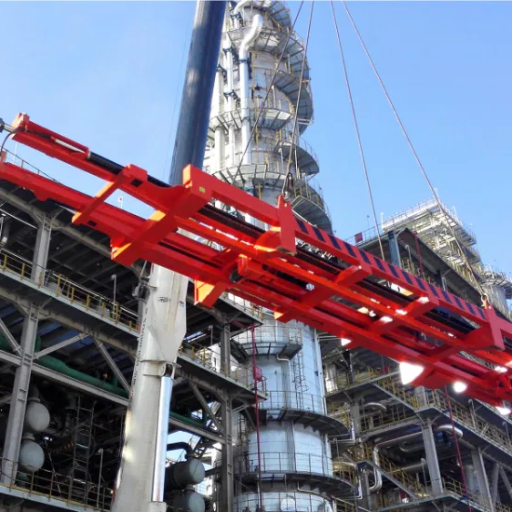
The refinery's turnaround safety guidelines and regulations should always be strictly implemented to ensure the safety of all personnel and prevent accidents. These could involve:
Risk Assessment
A comprehensive strategy that evaluates the potential hazards and metrics linked to proper precaution measures at all stages of turnaround operations.
Personal Protective Attire
Provide personnel a protective guard station requiring mandatory use of appropriate protecting clothes when performing their duties (helmets, gloves, and fire retardant clothes) in order to minimize risk under a given operational scenario.
Permit System
Provide an inherent formalized permit process for any and all work activities conducted in confined spaces, high temperatures, or other dangerous conditions.
Training and Communication
Train all employees regarding safety's primary protocols, thus allowing for better communication lines to ensure adherence to standard practice.
Emergency Preparedness
Complete coordinated drills and emergency responses should an incident occur.
It is necessary to strictly observe all these dos' and don'ts so that the entire turnover operates in a safe manner without any of its big devices and components posing a threat to workers.
Importance of Specialized Operator Training
Training for the bundle puller operators has a significant impact on the safe and smooth operations of refinery turnarounds. The bundle puller is a highly specialized piece of equipment that is used in the removal of heat exchanger bundles furniture during maintenance. The skilled operation requires proper training and, without which, the risks of equipment failure, operation delay, or worker injury will be much higher, posing a serious threat to project timelines and safety standards.
Operators training must cover operation of the equipment, loading, proper check on safety practices, and some site-specific knowledge or hazard identification in order to minimize risks during job operations and job flow. Trained operators can ensure fewer restart delays or zero restart due to contingencies.
To fund highly specialized training courses; this will ensure that operators have the know-how to handle the bundle puller operation effectively and without errors with an emphasis on the longevity of their equipment while contributing positively to the overall success of the turnaround.
Ensuring Safe Operation of Aerial Bundle Extractors
Safe operation of a telehandler in its area requires strict adherence to operating principles, safety rules, and well-informed training. Machine pre-inspections are supposed to be conducted by the operator before a work session to check for any flaws in the equipment. Good communication also comes into play, either by hand signals, voice, or radio, to keep the crew conscious of each other's but interactive movements to prevent accidents. The operator shall put on the appropriate personal protective equipment (PPE) so as to minimize the potential risks during field operation. It is important that a decent environment be kept around the piece of equipment—free of anything that could intrude on safety-otherwise, the operation and safety both could collapse. It is advisable to run the machines in strict adherence to manufacturer's instructions concerning their operation and maintenance to forestall failures and ensure fluent operation.
Technological Advancements in Bundle Extraction Equipment
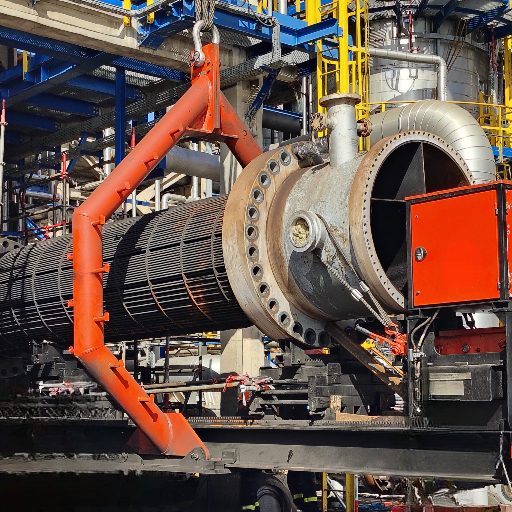
This seems to be moving toward extraction automation conveniences, with safety and precision acted upon some things up to now. Automation is featured in such a way that both performance error and manual intervention are considerably reduced, so that logs can be pursued for better accuracy. Some of the features of the modern design include remote monitoring, diagnostic checks in real-time, and predictive maintenance, all contributing significantly to increased uptime and minimization of downtime. Improved ergonomic designs plus enhanced safety features decrease operator risks, thereby providing the necessary framework for safe and smooth operation. The new developments are indeed a testimony to the fledgling industry's motives in the right direction towards high-tech-driven performance and safety."
Remote-Controlled Operations: Benefits and Features
Greater Worker Safety
By employing remote controls, the operators are able to minimize the chances for operator injury during the operation since they can operate the machines from a safe distance in hazardous environments.
Control and Accuracy
Superior control ability allows accurate positioning and adroit handling of heavy equipment.
Reduced downtime in operations
At the end of the day, a quicker workflow save time and additional resources on-site; a remote-operation option is an effective way to speed up job completion.
Expanded Possibility in Areas of Limited Space
In the context of confined and challenging spaces, bundle pullers, operated remotely, can operate where manual intervention is difficult and poses a safety risk.
Simplification for the end-user
The provided advanced control systems bring about an operator-friendly interface; and with experience, even the less experienced operators do just fine.
Increased Pulling Capacities and Efficiency
The advantages of improved turnaround bundle pullers heavily focus on bigger pull capabilities and better operational effectiveness. Today's pullers are fitted with hydraulic systems of higher-than-normal capacity, meaning they can shift heavy loads around easily, which in turn decreases downtime and maintenance operations involved in such turnarounds. Their precision engineering, of elongated exhaust system still further, self-evidently suppose they can deliver on long-term durability, hence safely afford them a reputation of being dependable under some of the toughest refinery circumstances.
Such enhancements then answer kin questions concerning both efficiency and turnover times. An increase in power with the pullers actually shortens the time taken for pulling a bundle out of and, then, back into the tube. This thus contributes much more directly and clearly to the faster completion of the project. The other advantage is that more efficient operations with less manpower involved largely increase the safety and likewise the accuracy. The dimensions of power and gender give advanced pullers the role of a one more vital element toward the optimization of water system turnaround processes.
Future Trends in Bundle Puller Technology
Bundle pulling machines seem to be heading toward increased automation, better precision, and adaptability with human intervention shrinking in the longterm. Advanced robots with technologies will be more and more required to extract and reinstate the bundle, thus. This will be part of the reduction of human involvement and raising human safety. IoT sensors and big data analytics are coming more and more into playoffs to continuously give a real-time record and therefore help in predictive maintenance (fortify asset management) and good performance. Besides, modular and kind approaches will appear often within the future landscape to allow most of these sources some level of tweaking in their operations. The objective is to improve the efficiency and per minute downtime, along with the safety level of the whole system from the refinery operational standpoint.
Reference Sources
Optimizing Turnaround Maintenance Performance: Discusses strategies for optimizing turnaround intervals and equipment maintenance in refineries.
Beyond Turnaround Planning: Explores best practices and considerations for equipment and resource management during refinery turnarounds.
Development of an Innovative Criticality Index for Turnaround Management in an Oil Refinery: Provides insights into criticality assessment and equipment prioritization to improve turnaround efficiency.
Optimising Refinery Dependability and Turnaround Costs by the Application of a Risk-Based Inspection Program: Highlights the benefits of risk-based inspection programs in reducing turnaround costs and improving equipment reliability.