
 Chinese
Power plant condensers need proper maintenance because their performance directly affects power generation operations. The main component of this process is the condenser tube bundle which functions as the essential part that enables heat transfer and determines how well the plant operates. The tube bundles experience efficiency loss and shorter operational life because their surfaces develop three types of damage which include wear and fouling and scaling. This article examines the key elements of condenser tube bundle maintenance by showing effective maintenance methods and typical difficulties and modern approaches which help to prolong equipment service life while improving plant efficiency. The guide offers essential information about power plant operations to both industry experts and people who want to understand how these vital systems function.
Introduction to Condenser Tube Maintenance
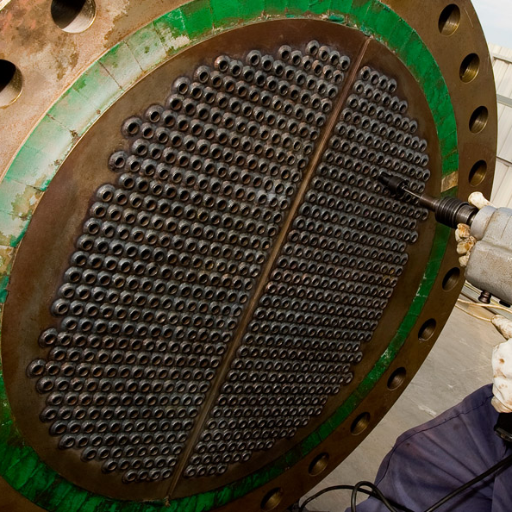
The efficiency and reliability of power plant operations depend on proper maintenance of condenser tubes. The heat transfer efficiency of condenser tubes decreases and operating expenses increase because they accumulate various deposits which include scale and corrosion and biofouling over time. The equipment lifespan extends while downtime decreases because regular cleaning and inspections protect against operational problems. The maintenance process decreases unexpected failure risks while maintaining consistent performance with reduced energy use. The plant operators achieve maximum system performance and system dependability through their commitment to ongoing system maintenance.
Function of the Condenser in Power Generation
Power generation systems use condensers to transform steam from turbine exhaust into liquid water, which can be reused in the operational cycle. The power plant operates at maximum efficiency because the turbine maintains a vacuum which creates a greater pressure difference to produce more steam which operators can harness for energy production. The condensers operate at higher thermal efficiency because they decrease the exhaust steam temperature through their cooling process.
Modern condensers now use advanced material and design systems which enable them to handle increased thermal loads while minimizing their water consumption according to recent technical insights. Power plants currently use air-cooled and hybrid cooling systems to function in areas with limited water resources while meeting both environmental protection and regulatory standards. The process of maintaining equipment through regular tube cleaning and fouling prevention activities establishes conditions for peak performance which leads to decreased energy use and extended equipment lifespan. The operation of condensers as waste heat management systems enables power plants to achieve sustainable operations through their resource conservation functions.
Components of Condenser Tube Bundles
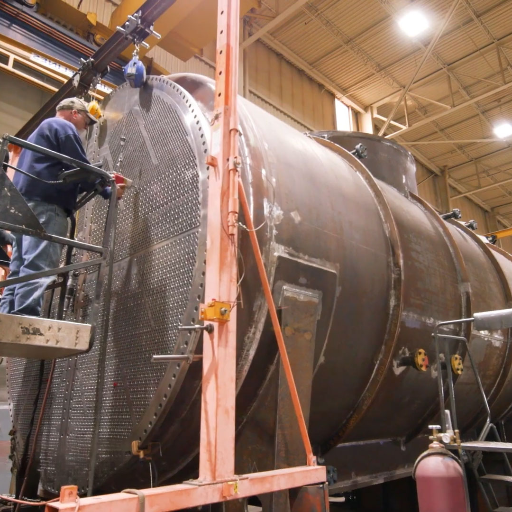
Condenser tube bundles consist of an array of tubes designed to facilitate efficient heat exchange by condensing steam into water. The system includes eight essential components which make up its main structure.
Tubes
The construction of this product uses stainless steel titanium and copper alloy materials which provide both strength and protection against corrosion.
Tube Sheets
This device uses plate-like structures to both secure and seal the ends of the tubes which prevents leaks while enabling efficient fluid flowthrough the system.
Support Plates or Baffles
These components maintain tube positions while decreasing vibrations and improving heat transfer through their control of fluid movement within the bundle.
Water Boxes
These chambers occupy the tube bundle ends to control water distribution which flows through the tubes.
Antifouling Systems
The system uses brush cleaning systems and chemical treatments to minimize fouling which helps maintain its performance.
The power plants and industrial processes rely on these components to maintain condenser operational efficiency.
Heat Exchanger Basics and Importance
Heat exchangers serve as vital equipment which transfers thermal energy between multiple fluids without permitting their mixing. These devices find usage in diverse fields which include power generation, chemical processing, HVAC systems and automotive production. The system operates through conduction and convection which allow heat to travel through solid barriers and between different fluids according to their temperature differences.
Their importance lies in their ability to improve energy efficiency by recycling heat, reducing waste, and optimizing processes. Power plants use heat exchangers to convert steam back into water which operators can reuse thereby achieving substantial resource savings. Industrial facilities use these systems to maintain exact temperature levels which results in improved production output and better product quality.
Heat exchangers show performance advancements through new material developments which include advanced alloy materials and composite construction methods. The implementation of smart technologies, which includes real-time system monitoring and predictive maintenance systems, helps organizations maintain operational reliability while minimizing expensive production interruptions. The operation of heat exchangers serves as a fundamental component for promoting sustainable energy-saving methods throughout the world.
Tube Maintenance Strategies
Importance of Regular Tube Maintenance
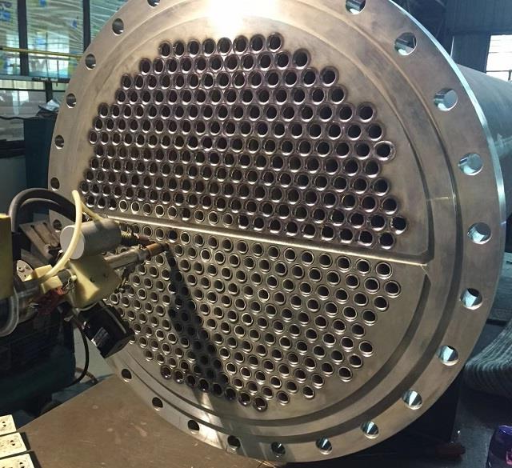
Condenser tube bundle maintenance ensures both heat exchange system efficiency and system durability. The tubes gradually accumulate contaminants, including scale, corrosion, and biofouling, leading to decreased heat transfer efficiency and higher energy costs. The maintenance work includes three essential activities which are cleaning and inspection and protective coating application that stop all operational problems. The system needs regular maintenance because it reduces chances of sudden breakdowns which lead to expensive operational interruptions and repair expenses. Facilities achieve better operational results through condenser tube bundle maintenance because it extends equipment life and decreases total operating expenses which supports sustainable energy consumption.
Common Issues: Tube Fouling and Leaks
Tube Fouling
Tube fouling occurs when deposits such as minerals, biological growth, or debris accumulate inside the condenser tubes. The deposits obstruct water flow while decreasing heat transfer efficiency which results in lower performance and higher energy usage. The equipment experiences reduced structural integrity because fouling accelerates corrosion. The problem requires regular cleaning together with water treatment procedures to achieve effective resolution.
Tube Leaks
Corrosion together with physical damage and stress accumulation over time creates the primary causes of tube leaks. The leaking tube permits water to escape which creates two problems because it contaminates other systems and decreases condenser performance. If not addressed promptly, leaks can lead to significant operational disruptions and costly repairs. The organization needs to conduct inspections while performing repairs and replacements at scheduled times to prevent leaks and manage existing leaks in an effective manner.
Best Practices for Tube Inspection
The system needs regular inspections of condenser tube bundles to ensure operational efficiency and to detect potential system failures. The implementation of a structured system enables organizations to discover their equipment problems at an early stage while maximizing their asset lifespan. The following best practices should be followed:
Visual Inspection
The initial step requires an extensive visual examination to find any evidence of corrosion or scaling or pitting damage. The process of cleaning the tubes needs to be conducted before the visual inspection because it improves the visual examination results and uncovers concealed damages.
Non-Destructive Testing (NDT)
The advanced NDT methods which include eddy current testing and ultrasonic testing and infrared thermography, enable technicians to find internal tube defects which include cracks and wall thinning and blockages, without damaging the tubes.
Pressure Testing
The controlled environment allows execution of hydrostatic and pneumatic pressure tests, which help discover leaks. The tests serve as effective tools for assessing the tube bundle's structural soundness.
Frequency of Inspections
The system needs scheduled inspections which should occur based on its operating conditions which include water quality and temperature and system usage. Systems that operate at high capacity or function in extreme conditions need more frequent evaluations.
Data-Driven Insights
Organizations should apply data analytics together with monitoring technologies to establish their maintenance schedules while discovering operational issues at an early stage. The process of analyzing operational data in real-time enables organizations to determine inspection priorities with maximum efficiency.
Proper Documentation
The organization needs to keep thorough documentation of its examination results and maintenance work and past restoration tasks. This documentation helps organizations identify their recurring problems while they evaluate their options for equipment replacement.
The reliable performance of condenser tube bundles will improve through the application of current technological tools and the continuous execution of these best practices which will reduce system downtime and boost operational productivity.
Tube Cleaning Techniques
Overview of Tube Cleaning Methods
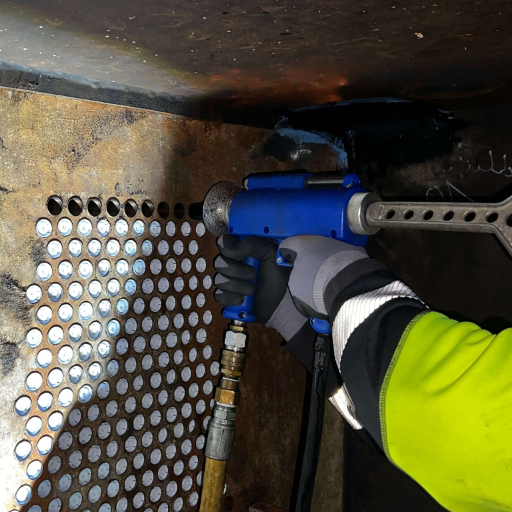
The condenser tube bundles need to undergo regular cleaning procedures because this practice helps maintain their maximum operational efficiency while blocking dirt and scale and biological materials from creating blockages. The most common cleaning methods include:
The selection process for suitable cleaning techniques requires analysis of fouling patterns and tube composition and operational needs. The techniques create permanent maintenance benefits because they enhance performance while extending the lifespan of equipment.
Hydro-Blasting: An Effective Cleaning Service
Hydro-blasting serves as an effective method for cleaning condenser tube bundles. The system uses powerful water jets to eliminate all types of deposits including scale and debris and other fouling materials without causing any harm to the tubes. The method delivers effective results because it uses minimal chemical substances to achieve its goals. Hydro-blasting provides complete equipment cleaning which enhances heat transfer performance and increases the operational life of the machinery. Hydro-blasting serves as the dependable method for condenser maintenance because it prevents operational problems and expensive equipment downtime.
Chemical Cleaning: When and How to Use
Chemical cleaning for condenser tube bundles becomes necessary when mechanical methods and hydro-blasting techniques fails to remove fouling and scaling from condenser tube bundles. The method proves effective for removing hard deposits which include calcium carbonate and other mineral scale deposits.
The process uses special cleaning solutions which pass through tubes to break down tough deposits while keeping the material safe from harm. Chemical cleaning should be conducted in controlled environments which strictly follow manufacturer instructions and environmental protection laws to achieve safe and successful outcomes.
The assessment process requires evaluation of both tube bundle condition and existing fouling before choosing which chemical solution to use. The cleaning agents selected by professionals from their evaluation process will decrease equipment damage risks and corrosion threats. The combination of regular chemical cleaning and preventive maintenance programs enables condenser systems to achieve their highest operational efficiency throughout their entire service life.
Advanced Inspection Methods
Eddy Current Testing for Condenser Tubes
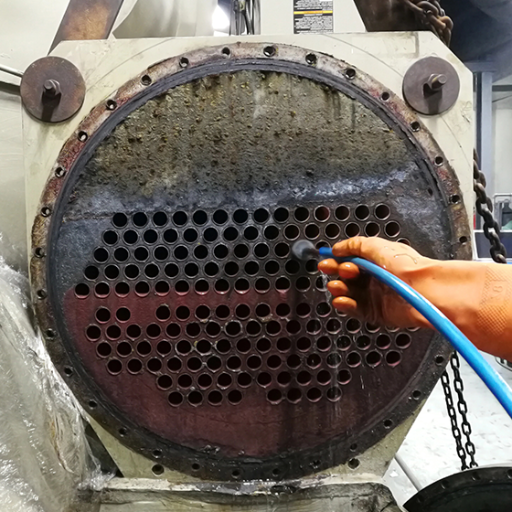
Eddy Current Testing (ECT) serves as a non-destructive testing technique which engineers apply to assess the structural soundness of condenser tubes. The technique uses electromagnetic induction to identify cracks and wear and corrosion and other metallic tubing defects. The process starts when an alternating current flow through a probe creates eddy currents which move through the tube's conductive metal. The presence of defects causes current flow disturbances which technicians use to identify defective areas through signal analysis.
The ECT testing method demonstrates high effectiveness because it provides quick test results which accurately identify both external and internal defects while keeping equipment intact. Through advanced ECT testing operators obtain results which guide their decisions about whether to replace or fix tubes leading to decreased downtime and improved operational performance. This method proves essential for power generation and petrochemical industries because condenser tube efficiency directly impacts their operational success.
Remote Field Testing Explained
Remote Field Testing (RFT) functions as a non-destructive testing technique which assesses the condition of condenser tube bundles. The method uses electromagnetic signals to identify wall thinning and corrosion and other tube defects. RFT enables accurate inspection of ferromagnetic materials because it delivers precise information about the tube's internal and external conditions without needing any disassembly or removal. RFT serves as a critical maintenance tool for condenser systems because it detects problems in difficult-to-reach locations which help prevent unanticipated equipment breakdowns.
Integrating Inspection Data into Maintenance Plans
The performance and lifespan of condenser tube bundles reach their peak through regular maintenance which requires inspection data to be integrated into maintenance operations. Inspection results should be used to identify trends such as wall thinning, corrosion rates, or recurring defects. The maintenance teams use data to determine which repairs or replacements should be done first while they plan cleaning and protection activities and estimate future maintenance requirements. The combination of inspection results and scheduled maintenance activities enables facilities to decrease operational downtime while minimizing equipment failures and extending the productivity of their condenser systems.
Long-Term Benefits of Regular Maintenance
Improved Heat Transfer Rates
Regular maintenance of condenser tube bundles leads to better heat transfer performance. The tubes achieve maximum heat exchange efficiency through regular cleaning which eliminates all debris and scaling and fouling materials. The clean tube surfaces enable effective heat transfer from the working fluid to the cooling medium which results in decreased energy use and prevents system overload. The system maintains its operational efficiency through regular maintenance which reduces heat flow obstacles and extends its functional lifespan.
Enhanced Operational Efficiency and Reduced Fuel Consumption
The practice of conducting routine maintenance for condenser tube bundles leads to operational efficiency improvements and fuel consumption decreases. The system operates at its best because proper maintenance enables uninterrupted heat transfer through the condenser. The energy needed for cooling and condensation processes decreases when condenser tubes remain clean and free from any substances that cause fouling or scaling. A system that receives proper maintenance operates with low thermal resistance, which leads to reduced power requirements for its auxiliary systems that include pumps and compressors.
Recent research shows that industrial systems with inadequate condenser maintenance experience energy costs which exceed 30% because of reduced efficiency from fouling. Systems that receive regular condenser maintenance achieve fuel savings between 10% and 20% which depends on their specific operating conditions and environmental circumstances. The operational expenses decrease while the facility's carbon emissions decrease which helps achieve international sustainability targets. Regular inspections and cleaning of condenser tube bundles serve as an economical solution which provides energy efficiency benefits while promoting responsible resource usage throughout extended periods.
Extended Equipment Longevity and Reliability
The equipment needs regular maintenance to keep condenser tube bundles operational for an extended period. Routine cleaning operations stop debris and scale and corrosion from building up which allows optimal heat transfer efficiency to be maintained and mechanical failures to be avoided. Equipment that receives proper maintenance operates with reduced stress which results in slower equipment deterioration throughout its lifespan. The system maintains its steady performance while preventing expensive repairs and unexpected service interruptions which helps achieve operational stability over the long term. The system requires regular inspections to identify potential problems at an early stage which allows maintenance teams to perform critical repairs that protect system performance.
Reference Sources
A Simulation-Based Prediction Model for Coal-Fired Power Plant Condenser Maintenance: Discusses predictive maintenance schedules for coal-fired power plants, focusing on condenser maintenance challenges and solutions.
Current State and Trends in the Design and Operation of Water-Cooled Condensers of Steam Turbines for Thermal and Nuclear Power Stations: Explores the performance and maintenance of condenser tubes in thermal and nuclear power plants, providing insights into best practices.
Enhanced Condenser Tubes in a Nuclear Power Plant for Heat Rate Improvement: Examines the reliability and performance of enhanced condenser tubes in nuclear power plants, highlighting maintenance considerations.
Preventing Condenser Tube Failures Through Effective Cleaning and Nondestructive Testing: Focuses on cleaning and nondestructive testing methods to prevent condenser tube failures and ensure reliable operation.
Frequently Asked Questions (FAQs)
How does condenser tube cleaning improve efficient power generation in a steam condenser?
The process of cleaning condenser tubes from steam condensers results in improved power generation efficiency because it restores their ability to transfer heat. The process of cleaning condenser tubes removes all tube deposits and internal tube components which enables heat transfer restoration. The process supports maximum energy output through its ability to preserve unbroken heat transmission. Power generation systems need ongoing mechanical tube cleaning for shell and tube heat exchangers because this maintenance practice enhances condenser performance and heat exchanger efficiency.
What are common signs of condenser tube fouling and when should I schedule heat exchanger maintenance?
The signs that indicate condenser tube fouling include five specific indicators which include increased backpressure and reduced heat transfer and elevated cooling water flow and temperature and higher steam turbine load and boiler steam consumption. The process of identifying fouling characteristics requires basic knowledge about cleaning system capabilities because this knowledge enables the development of optimal cleaning schedule which prevents fouling while maintaining operational efficiency.
What are the most effective mechanical tube cleaning methods for cleaning shell and tube condenser bundles?
Mechanical tube cleaning options include off-line mechanical tube brushing and on-line tube cleaners and pigging systems which operate on shell and tube type heat exchangers. The best cleaning method for a tube system requires assessment of tube system needs which includes checking the current state of the tubes and measuring the tube internal diameter and evaluating the tube end accessibility and assessing the tube coatings and identifying the types of tube deposits. The cleaning process specifications enable organizations to determine which cleaning technology provides effective results for their condenser and heat exchanger cleaning requirements.
Can heat exchanger cleaning prevent under-deposit corrosion and undercutting of boiler tubing or turbine components?
The answer is affirmative. The cleaning technology which effectively removes deposits from surfaces provides protection against under-deposit corrosion which safeguards adjacent boiler tubing and steam turbine components. The practice of maintaining clean condenser tubes protects the system from localized corrosion and contamination, which might spread to boiler and turbine equipment. The plant requires both a maintenance program which prevents fouling and a system that cleans assets to achieve effective asset protection.
How often should off-line mechanical tube cleaning be performed on a condenser tube bundle?
The cleaning frequency depends on three factors which include the rate of fouling and the quality of feedwater and cooling water and the operational patterns of the plant. Plants with rapid internal tube fouling require seasonal or quarterly off-line mechanical tube interventions while annual maintenance is sufficient for plants operating under cleaner water conditions. The optimal maintenance schedule requires two components which include active maintenance operations and system introduction which helps to identify fouling at an early stage.